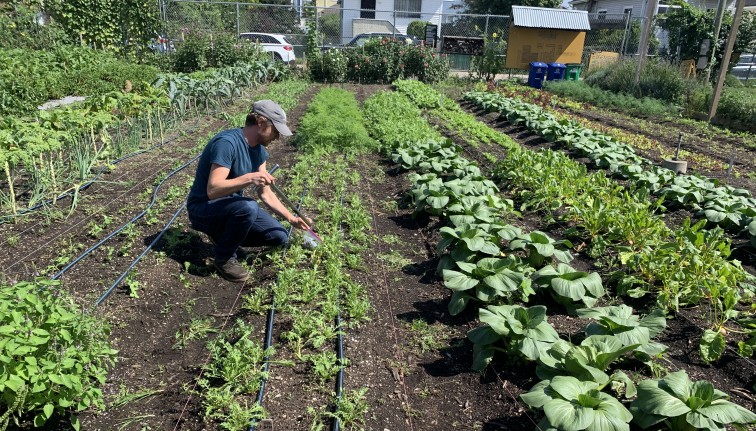
Due to a history of human land use and ongoing activities, urban soils are often compacted, contaminated or of poor quality. Because of this, many urban growers produce crops in constructed soils. Urban agricultural soils are commonly referred to as “constructed” when they are made or heavily amended with materials brought in such as screened topsoil, compost, mulch, yard scraps and manures in raised beds. Due to smaller spaces, there are limited options for crop rotation on urban farms. It is possible for this continuous intensive production to lead to gradual reduction in soil fertility and tilth.
When compared to rural agricultural soils, urban agricultural soils are more likely to have a combination of higher organic matter, pH, contaminants and soluble salts, lower bulk density, and shallow depth.
Interpreting Soil Fertility Informaton
Whether on an urban or rural farm, we need healthy soil to grow healthy crops. Part of a successful strategy to reach this goal is regularly scheduled soil tests. This article focuses on how we interpret soil fertility information from soil tests (pH, nutrient levels, percentage of organic matter, etc.) for urban soils to make informed management plans and troubleshoot challenges.
Community Gardens Soil Testing Program
Soil testing supports the growth and expansion of community gardens by protecting the health and safety of the food produced in these gardens. Cornell Cooperative Extension, in partnership with the NYS Department of Agriculture and Markets and the Cornell Soil Health Lab, is offering eligible, food-producing gardens in New York State the opportunity to send soil samples for testing without charge.
The soil test will analyze samples for heavy metals and nutrient levels. Test results help gardeners make appropriate plans to produce high quality fruits, vegetables, and flowers. Technical support and education for participating growers will be available from the CCE Harvest New York team.
NOTE: We've reached capacity for 2026! Check back for more information. We hope this program will run again in 2027.
Biochar in the NYC Urban Agriculture Landscape
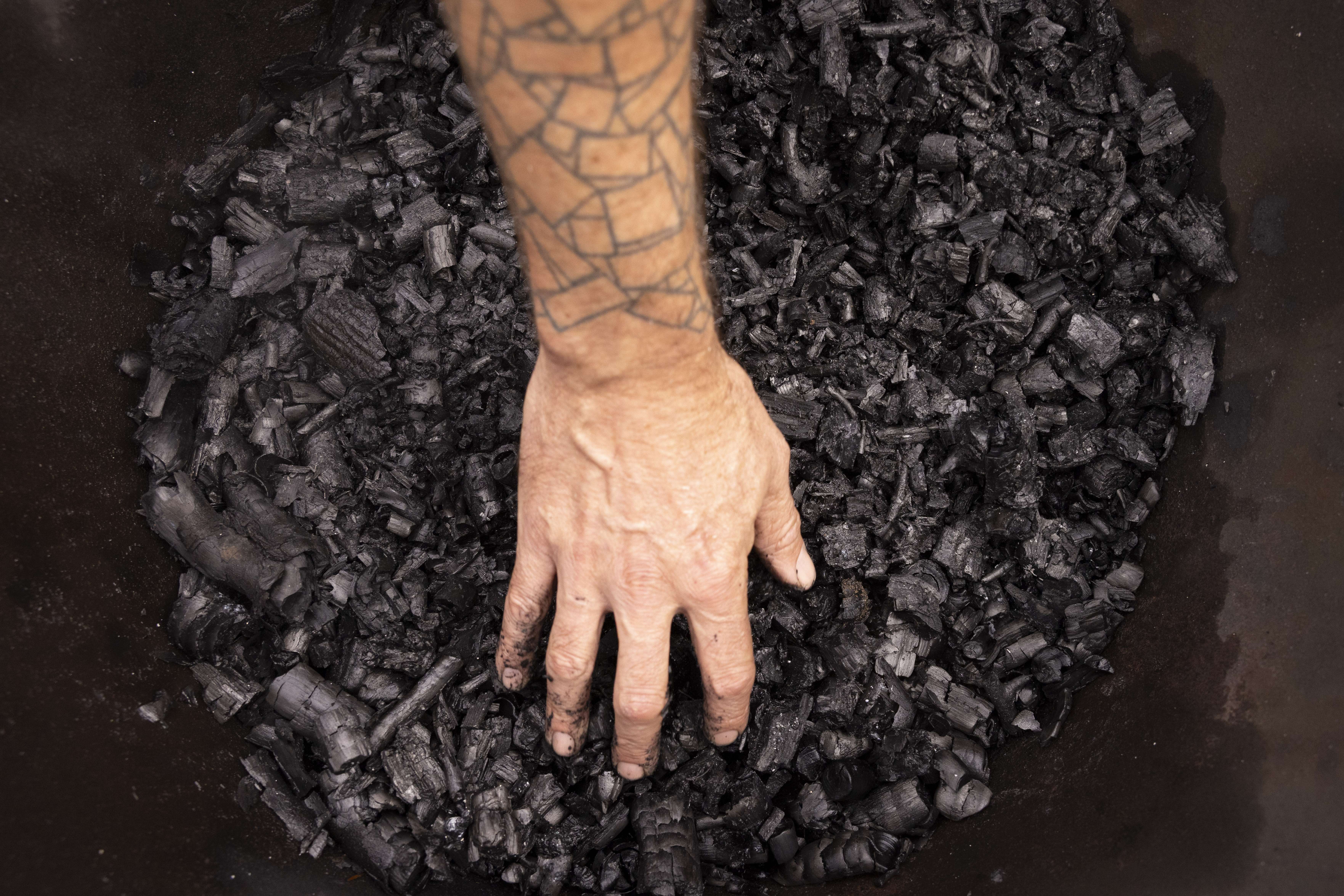
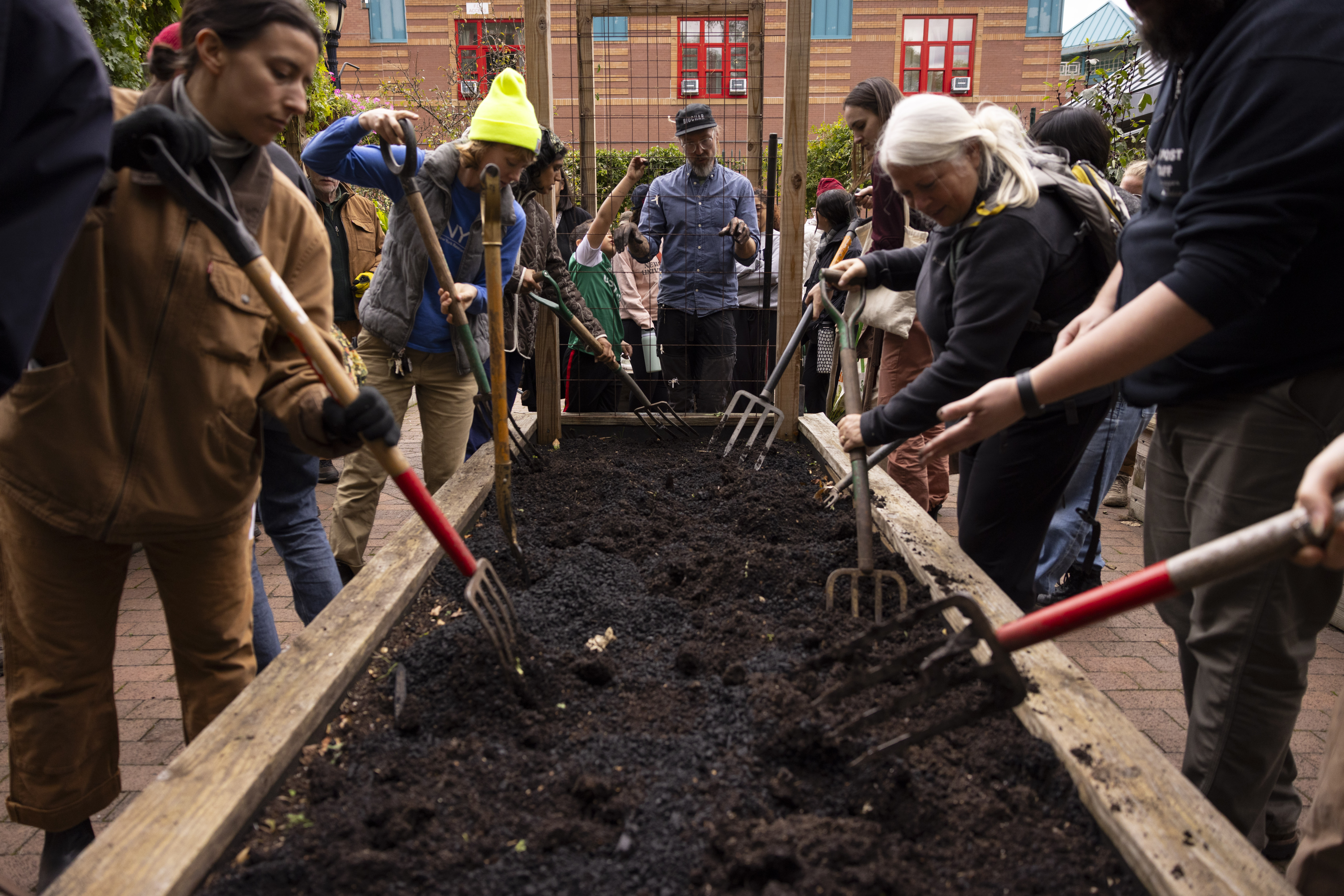
Biochar, a carbon-rich material created by heating organic waste in a low-oxygen environment, has been shown to bind contaminants, filter stormwater runoff, and improve soil health, making it a valuable tool for urban agriculture and ecosystem restoration. But, biochar remains a relatively new and underexplored concept in New York City, with limited research and implementation efforts focused on how best to incorporate it into the urban landscape.
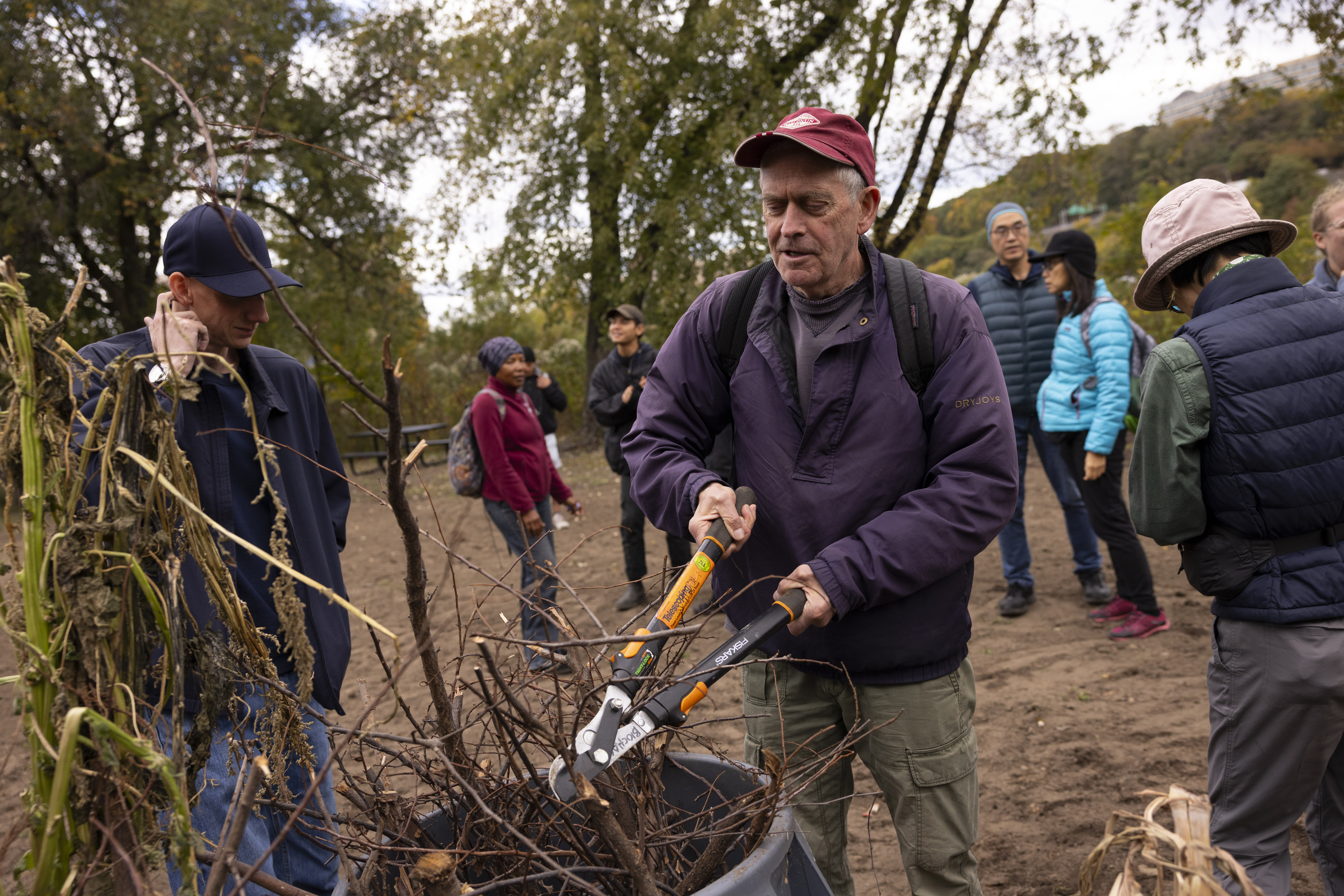
Additionally, by converting organic materials—including invasive plants that urban growers often send to landfills and end-of-season crops—into biochar, the city can turn waste streams into local resources, reducing landfill contributions and supporting circular waste management.
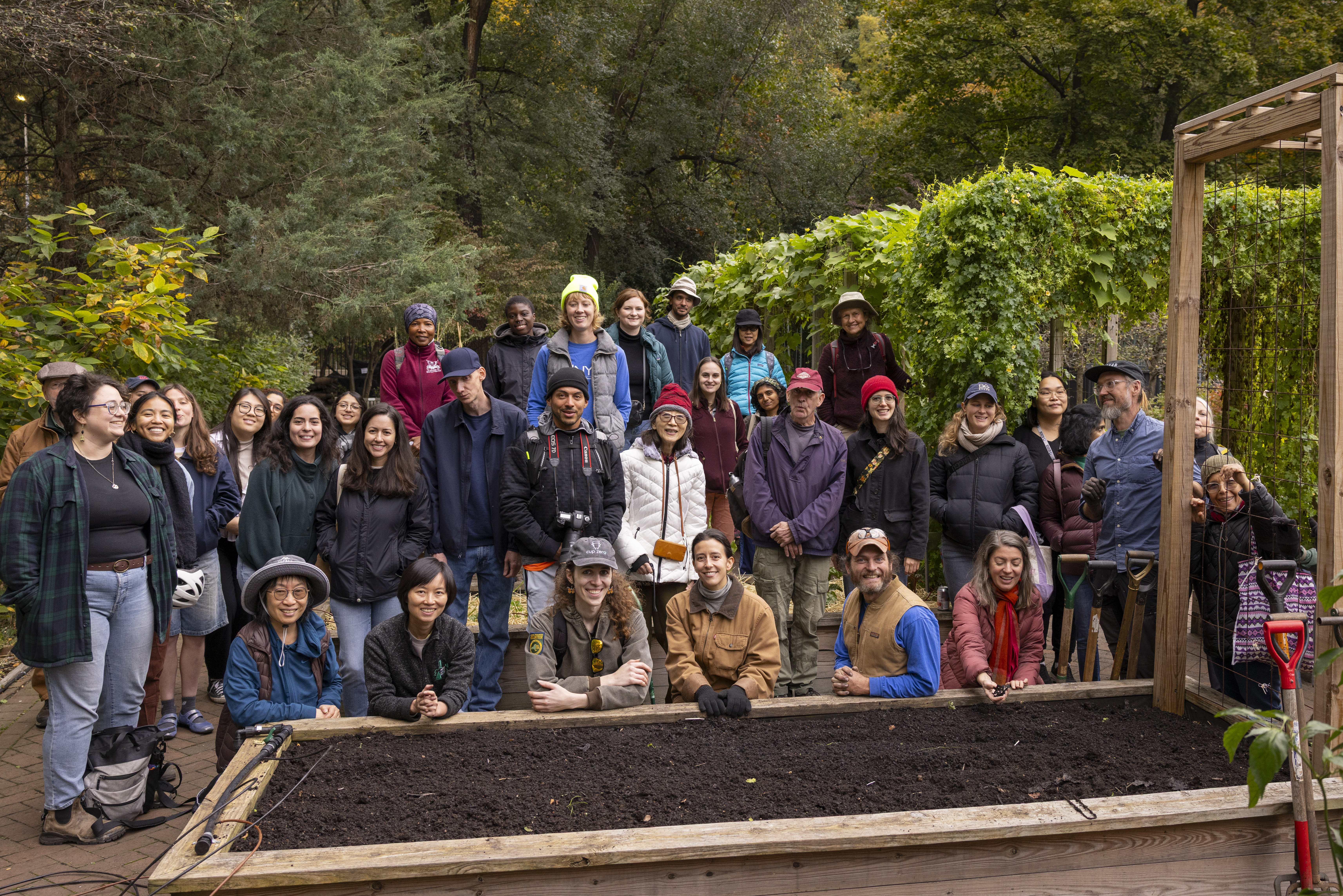
Urban Garden Specialists are leading an effort to bring this emerging topic to local growers and community members.