Program Areas
Community Garden Leadership Program
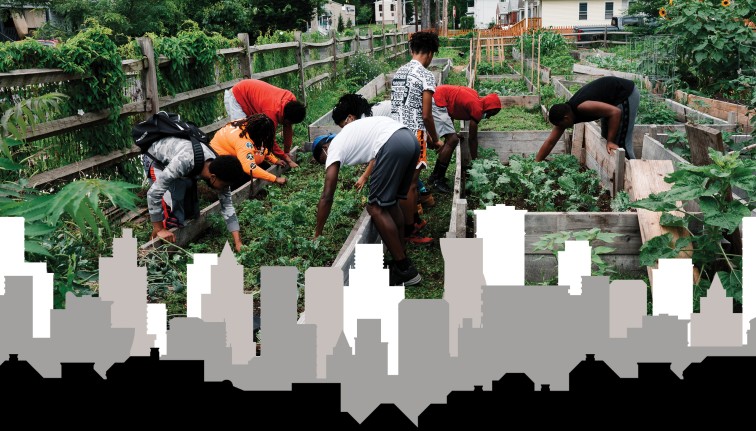
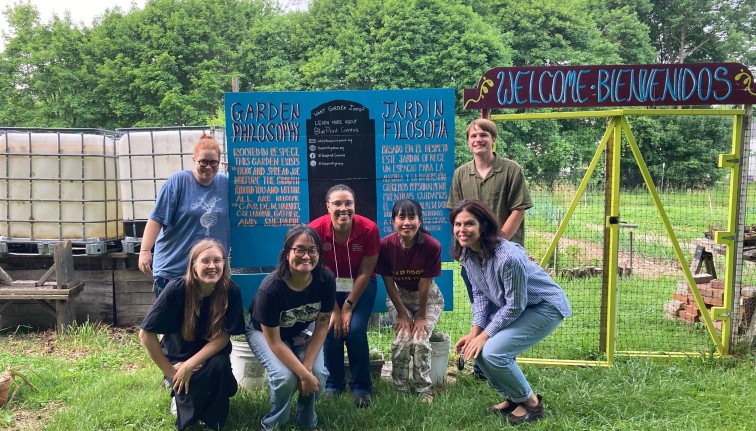
The Cornell Community Garden Leadership Program is a year-long online program that prepares individuals to enhance their leadership skills to strengthen community gardens throughout New York State. The program equips community gardeners with management best practices and operational skills to improve garden sustainability. The program also connects gardeners to regional resources, professional development opportunities, and a statewide community garden leadership network. To achieve this goal, the program uses a cohort model of community gardeners to share knowledge, wisdom, and to support one another as they navigate the coursework. Those interested in the program must apply.
Agroforestry in New York City
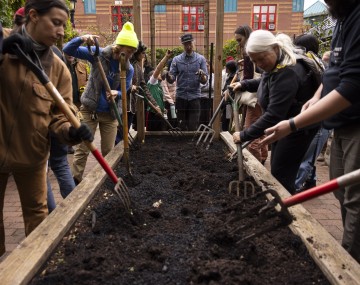
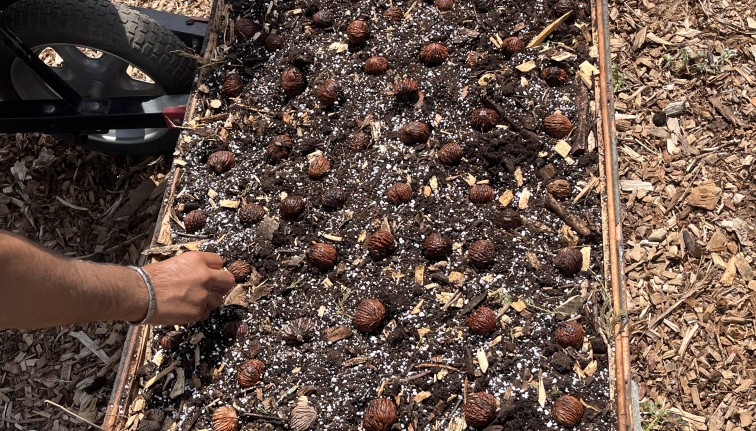
Agroforestry has a role to play in urban agriculture by expanding tree cover while also providing ecological benefits and increasing food production in communities. Cities often have less tree canopy than the surrounding rural landscapes, causing an urban heat island effect, reduced biodiversity, and poor air quality. Recognizing these challenges, New York City has the goal of expanding its tree canopy to 30% as part of its long-term climate resiliency goals by 2030. Recognizing the opportunity for community gardens and urban farms to contribute to New York City's urban forestry goals, Urban Agriculture Specialists Karen Guzman and Yolanda Gonzalez partnered with an Agroforestry Specialist from Cornell Small Farms to develop a series of Air-Pruned Raised Bed (APRB) Workshops across the five boroughs. APRB produce large numbers of healthy trees in a limited space. Networking summits and stakeholder collaborations are furthering this effort.
Urban Agriculture in New York State
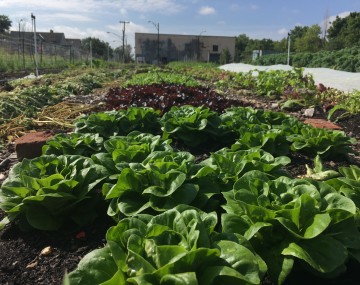
This report examines urban agriculture across New York State to create a snapshot of the industry and to provide policy recommendations to maximize the benefits of urban agriculture.
In partnership with the New York State Department of Agriculture and Markets, the Harvest NY Urban Ag team identified the major forms of urban agriculture currently practiced in urban centers across the state and the impacts that urban agricultural practices and markets have on access to locally grown food, job creation, education opportunities, and the environment. The study concludes with recommendations for legislative and administrative action from urban agriculture practitioners to further advance urban agriculture as it is practiced across the state.
This 64-page report was released in 2023 and is available for free download (PDF, 5.5 MB).