

Harvest New York educates and links key stakeholders in local food and supply chain management, urban agriculture and community gardens, emerging crops, and ag climate resiliency.
Impact in New York
Urban Community Gardens
Resilient Gardens Conference Connects Growers
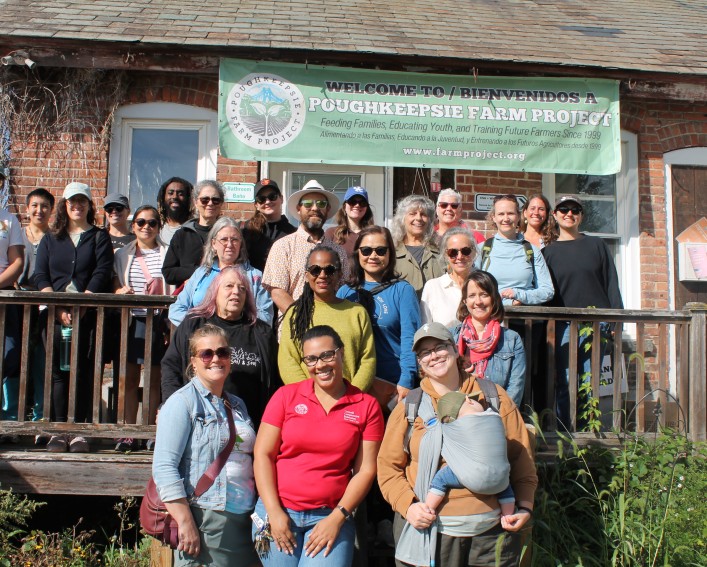
Through a partnership between Harvest New York, New York State Seed to Supper, and the New York State Department of Agriculture and Markets, Makela Elvy, Victoria Giarratano, and Ashley Helmholdt served as lead organizers for the 2026 Resilient Gardens Conference. Together, these partners source data from community gardeners to shape the conference’s design, so each year feels fresh and relevant to participants. More than 75 gardeners attended the event held in Poughkeepsie, NY.
Farm to School
Farm to Classroom Summer Workshops
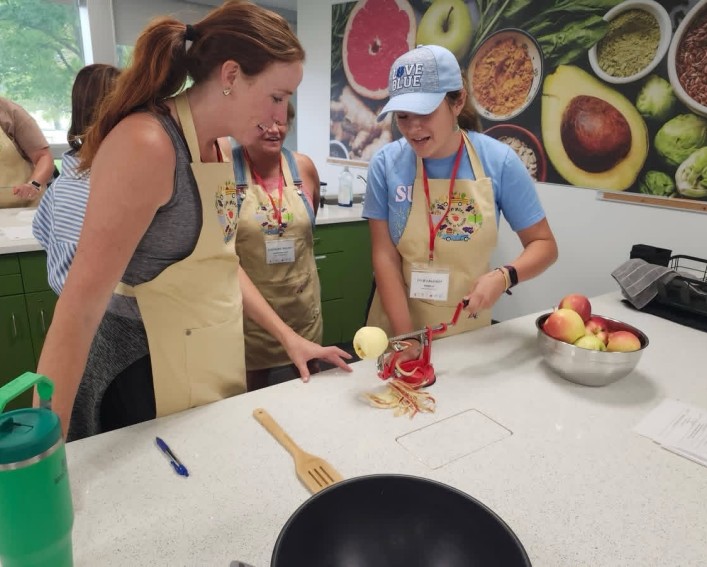
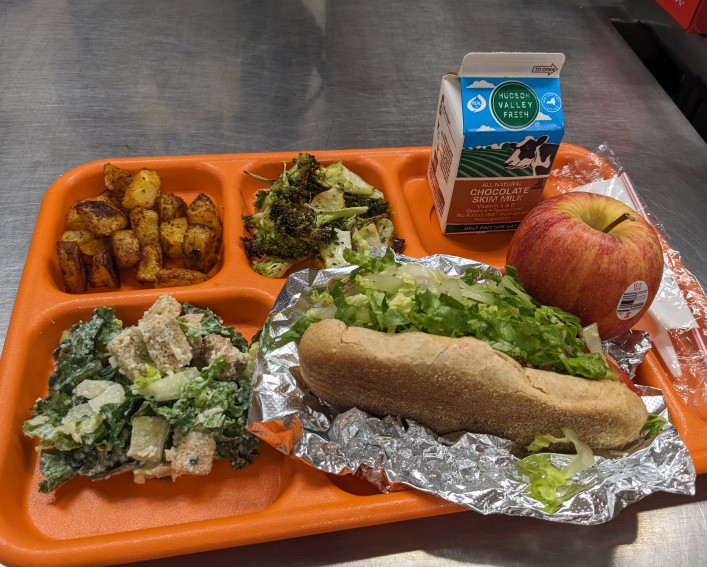
This summer, Cornell Farm to School partnered with New York Agriculture in the Classroom to offer three professional development workshops connecting educators with agriculture, food systems, and hands-on classroom cooking. One of the unique aspects of the series was that teachers taught teachers. Educators shared classroom-tested lessons, cooking activities, tips, and strategies that participants could take back to their own schools. The workshops were held in Central, Western, and Eastern New York.
Ag Climate Resiliency
New Fact Sheet Addresses Questions About Rock Dust Applications
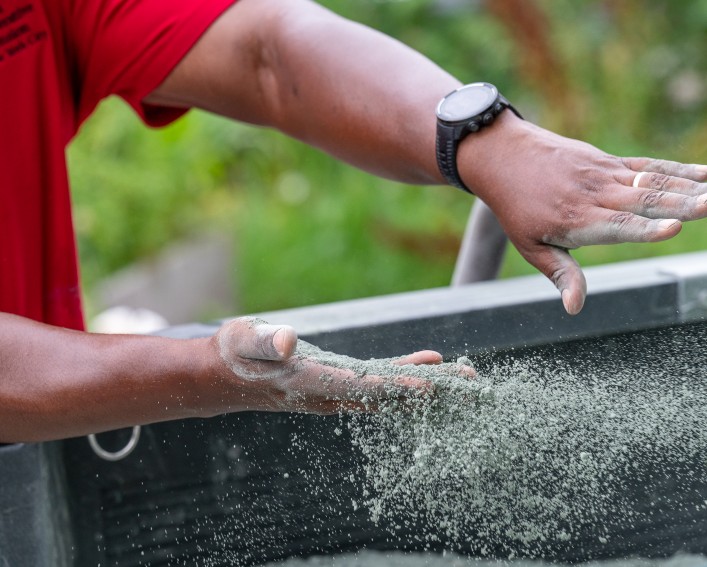
Harvest New York’s Ag Climate Resiliency program published Rock Dust Applications and Enhanced Rock Weathering on New York Farms, a comprehensive fact sheet developed to help farmers, agricultural advisors, Extension educators, and other stakeholders evaluate the potential benefits, risks, implementation considerations, and remaining uncertainties associated with rock dust applications and enhanced rock weathering (ERW). The publication explains the scientific basis of carbon capture through ERW while also addressing practical topics including soil fertility impacts, environmental considerations, carbon accounting challenges, economics, participation in carbon programs, and key questions farms should consider before adopting these practices.
Urban Agriculture
Urban Field Days Showcase Swede Midge Trials and Pest Management Techniques
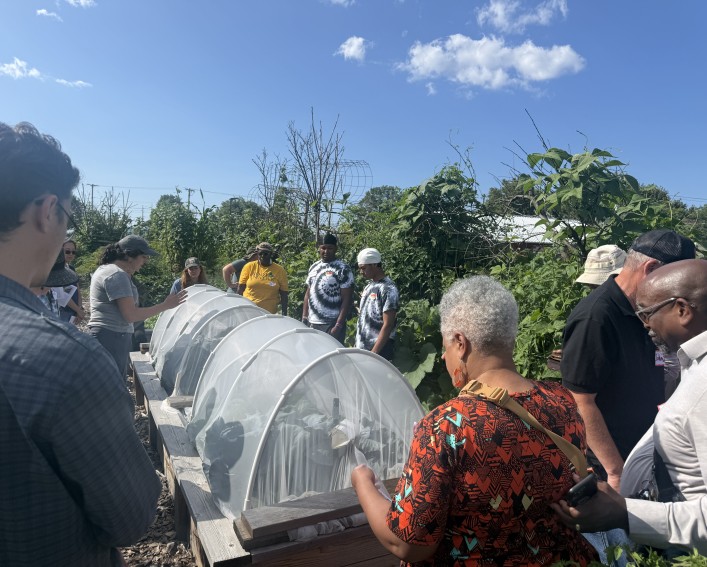
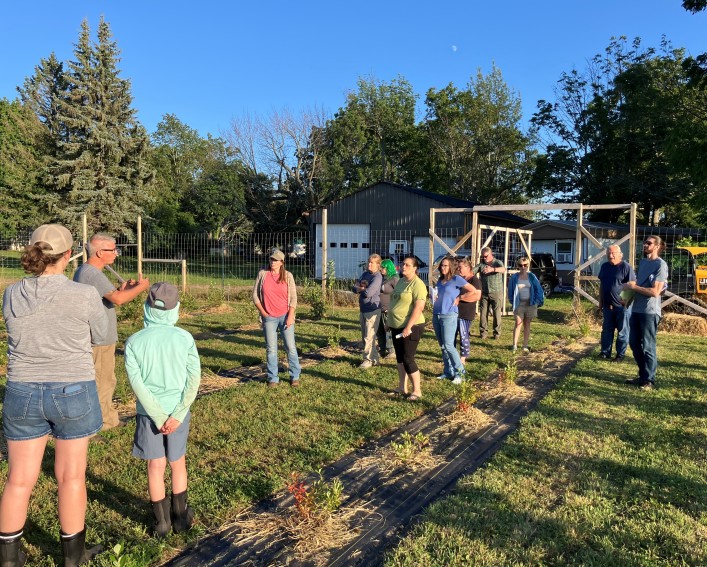
Urban growers face unique production challenges, including limited space, proximity to neighbors, and heightened vulnerability to invasive pests. One such pest, swede midge, is a tiny fly that can cause severe damage to brassica crops. To help growers identify and manage this emerging threat, Harvest New York and partners organized two hands-on field days focused on pest management strategies for small-scale growing spaces. Held in Buffalo and Rochester, the events featured swede midge demonstration trials evaluating management strategies for urban farms, plus local growers sharing practical pest management approaches.
Farm to School
New Partnership Between NYSED and Cornell’s Farm to School Program Unveiled
The New York State Education Department (NYSED) and Cornell Cooperative Extension (CCE) are renewing a partnership to strengthen farm to school across New York State through a historic multimillion-dollar, five-year investment from NYSED’s Child Nutrition Program. This expanded partnership builds on a successful three-and-a-half-year pilot between NYSED and Cornell that created new tools for New York’s farm to school ecosystem. The NYSED/CCE partnership will build on the pilot program, providing sustained support to school food professionals, educators, producers, and supply chain partners. The work will continue to strengthen connections between the cafeteria, classroom, and community.
Urban Agriculture
Summit Advances Agroforestry in NYC
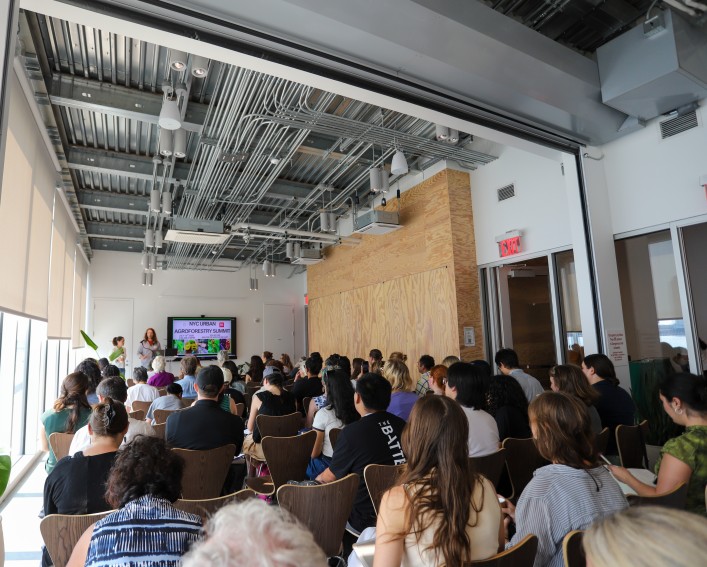
Many urban gardens are not thinking about incorporating trees into their existing crop plans. However, trees play a vital role in enhancing climate resilience and mitigating the urban heat island effect that urban farms often combat. To address the need for urban farmers and gardeners to connect with other urban farmers and food forest service providers, Harvest New York, in partnership with Cornell Small Farms, held the first ever Urban Agroforestry Summit in July.
Emerging Crops – Small Fruit
On-Farm Twilight Meetings Deliver Berry and Fruit Production Updates
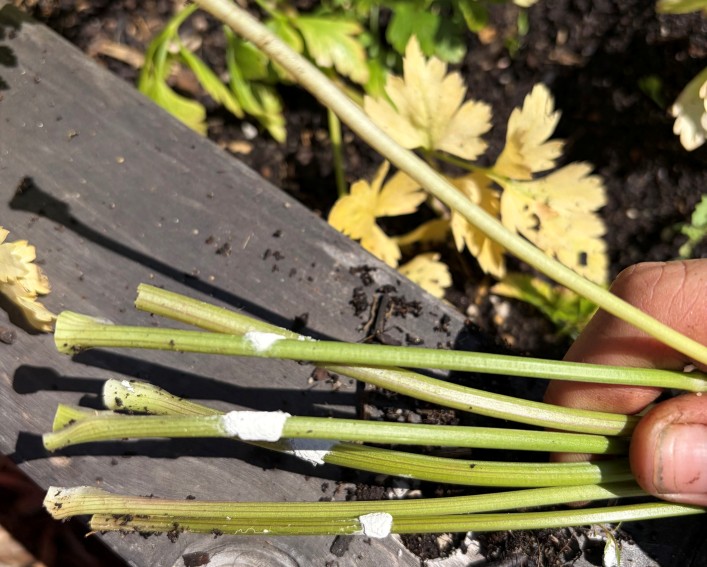
A series of Fruit and Berry Twilight Meetings delivered berry and fruit production education and research updates to growers in Monroe, Oswego, and Orleans counties. These annual meetings are organized by Harvest New York’s Anya Stansell, Cornell IPM’s Anna Wallis, and the Lake Ontario Fruit Team’s Janet Van Zoeren. Host farms shared notes on pest management, frost protection, high-tunnel raspberry production, establishing blueberries, and plant nursery stock management.
Urban Agriculture
GROWS is Mobile!
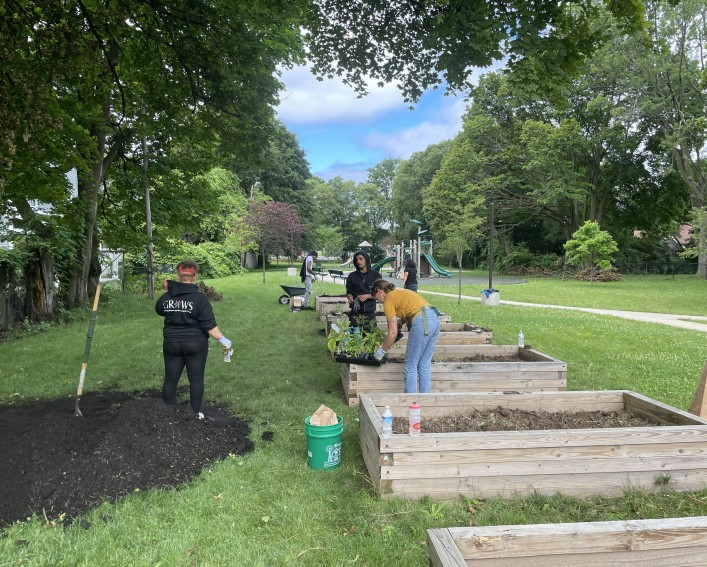
The GROWS (Gaining Relevant and Outstanding Work Skills) program continued to expand its workforce development and agricultural education efforts in 2026, serving 8 GROWS participants and more than 30 regular work experience volunteers through hands-on training, mentorship, and community engagement. Program growth was supported by the acquisition of a dedicated transportation van through funding from the Avangrid Foundation, significantly expanding participant access to educational experiences and increasing operational capacity. Substantial gains in productivity were seen too, with harvests increasing from 572 pounds in June through August 2025, to 1,010 pounds during the same period in 2026! All produce was donated to local food assistance organizations and community nutrition programs, extending access to fresh, locally grown food.
Emerging Crops – Cannabis sativa
Cannabis Industry Development: Regional Coordination and Regulatory Clarity
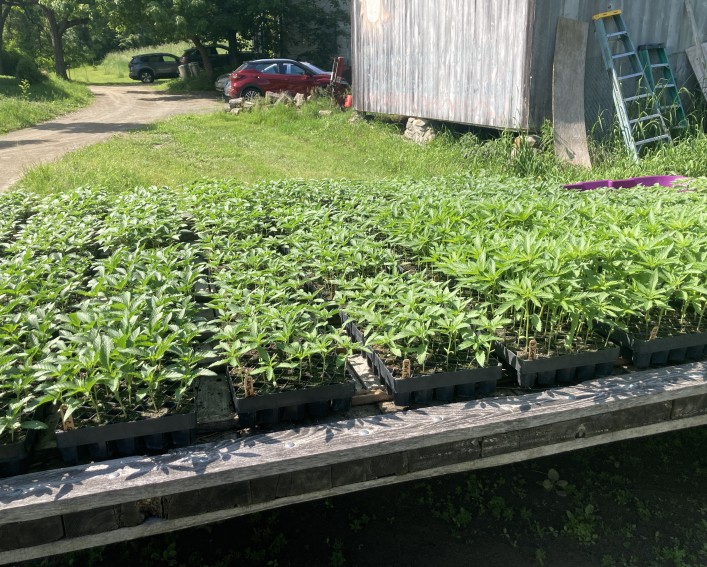
Harvest New York has worked with CCE Suffolk County to convene a multi-sector cannabis working group to discuss regulations, laboratory consistency, municipal opt-outs, and data gaps in a $3.3 billion industry. Dr. Daniela Vergara is supporting CCE Suffolk with facility assessment, and discussion of regulatory compliance and industry stakeholders.
In the North Country and beyond, Dr. Vergara is supporting counties as they increasingly recognize the economic potential of cannabis.
Ag Economic Development
NY Agritourism Case Studies: Strengthening Support and Industry Connections
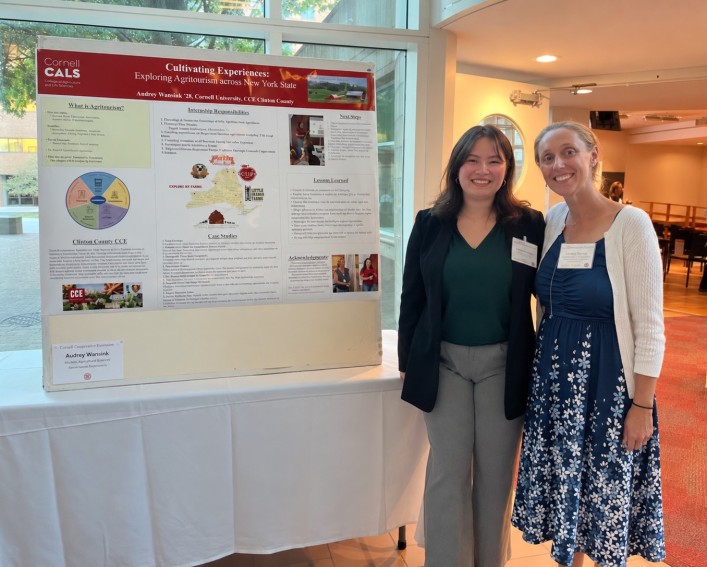
This summer, Lindsey Pashow, Statewide Agritourism Specialist with Harvest New York, had the opportunity to work with Cornell University, College of Agriculture and Life Sciences (CALS) summer intern Audrey Wansink. Audrey focused on several projects designed to strengthen resources and communication within New York’s agritourism industry. A major component of her work was developing a series of agritourism case studies highlighting six operations across New York State. These businesses represent different regions, scales, and agritourism models, helping demonstrate the diversity of agritourism across the state. Audrey also explored how agritourism businesses are supported at the county, regional, and state levels.
Urban Community Gardens
Harvest New York Hosts Soil Health Day in Rochester
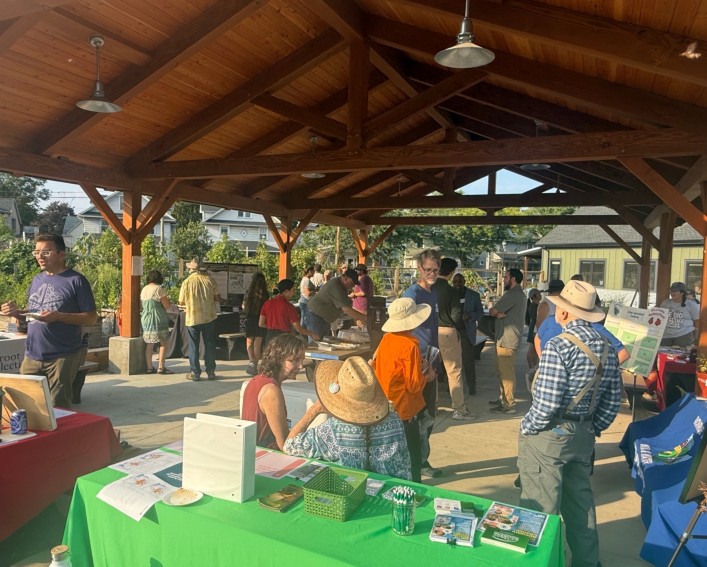
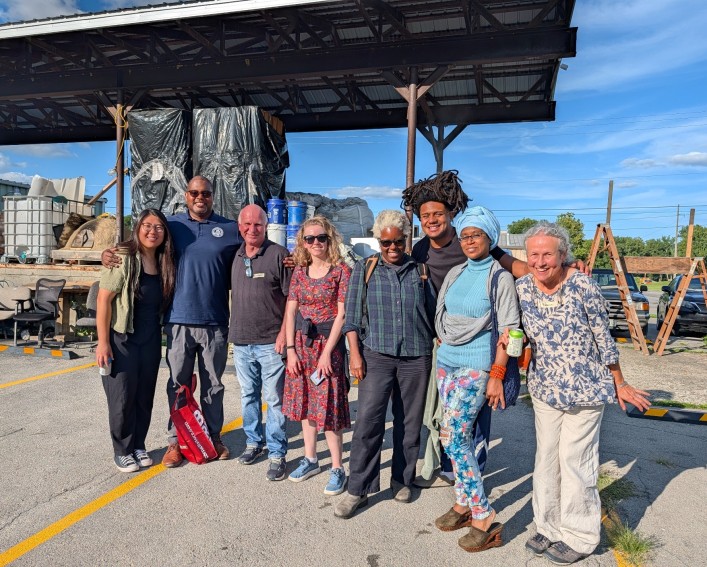
Harvest New York, New York Soil Health, and Foodlink Community Farm welcomed over 50 growers and guests to participate in soil lead screening and soil health demonstrations on September 1 in Rochester. This free event showcased interactive tables focused on soil health from seven partner organizations. Soil lead screening was the main focus of the event, as gardeners were able to reserve a time to get their garden soil screened for the lead and other heavy metals. New York Soil Health conducted the soil lead screenings, as this event was included in their annual soil health series. (Photo by Frank Keophetlasy)
Urban Agriculture
The Public Eye: Urban Extension Detective Stories
Sometimes an agricultural extension specialist is a lot like a private detective. It’s as true in New York City as anywhere else, though not everyone gets to take the subway to their field visits. Let’s walk through a typical day in August 2026. Swap the trenchcoat for jeans, and “private” for “public,” but keep the magnifying glass. We’ll need that.
Urban Community Gardens
Connecting Biochar in the Bronx to the Circular BioEconomy
The Biochar in the Bronx Project reached an important milestone during the third quarter when its five-member team participated in Seeking Synergies: Connecting People and Places to Advance the Circular BioEconomy, held in August at Cornell’s Soil Factory in Ithaca. The two-day gathering brought together farmers, artists, scientists, community members, processors, researchers, and public agencies from New York, California, and Kenya to explore how organic residuals can be transformed into valuable resources within more sustainable and equitable agrifood systems. Throughout the gathering, Biochar in the Bronx Project team members shared experiences from their work in New York City, learned how others were approaching similar challenges, and identified areas of common interest.
Year in Review
Our Team
Urban Ag Specialists
Sam Anderson, Urban Agriculture Specialist
(781) 366-5939
swa39 [at] cornell.edu (swa39[at]cornell[dot]edu)
Rachel DeVona, Urban Garden Educator
(585) 753-2550
rad346 [at] cornell.edu (rad346[at]cornell[dot]edu)
Makela Elvy, Urban Garden Leadership Curriculum Specialist
(347) 804-5820
mje55 [at] cornell.edu (mje55[at]cornell[dot]edu)
Yolanda Gonzalez, Urban Agriculture Specialist
(516) 305-0358
yg88 [at] cornell.edu (yg88[at]cornell[dot]edu)
Karen Guzman, Urban Gardens Specialist
(929) 468-5179
kg578 [at] cornell.edu (kg578[at]cornell[dot]edu)
Mallory Hohl, Urban Gardens Specialist
(716) 880-0275
mdh286 [at] cornell.edu (mdh286[at]cornell[dot]edu)
Kwesi Joseph, Urban Gardens Specialist
(718) 809-2781
koj7 [at] cornell.edu (koj7[at]cornell[dot]edu)
Lori Koenick, Extension Support Specialist
(585) 469-5798
lbk75 [at] cornell.edu
Farm to School Specialists
Cheryl Bilinski, Farm to School Program Lead
(607) 592-9507
cbt32 [at] cornell.edu (cbt32[at]cornell[dot]edu)
Kristy Apostolides, Farm to School Coordinator, Lower Hudson Valley
(845) 429-7085 x106
kda4 [at] cornell.edu (kda4[at]cornell[dot]edu)
Amy Bly, Farm to School Coordinator, Long Island
(631) 827-1015
ab2353 [at] cornell.edu (ab2353[at]cornell[dot]edu)
Lizzy Cooper, Farm to School Coordinator, Central NY
(315) 630-0405
ec795 [at] cornell.edu (ec795[at]cornell[dot]edu)
Meghan Dohman, Farm to School Coordinator, North Country
(518) 791-1888
meb377 [at] cornell.edu (meb377[at]cornell[dot]edu)
Becky Huben, Farm to School Coordinator, Western NY and Finger Lakes
(845) 706-0293
rao84 [at] cornell.edu (rao84[at]cornell[dot]edu)
SJ Peterson, Farm to School Coordinator, NYC
(929) 895-2257
sw954 [at] cornell.edu (sw954[at]cornell[dot]edu)
Kate Preston, Farm to School Education Specialist
(607) 788-4188
kep98 [at] cornell.edu (kep98[at]cornell[dot]edu)
Katie Sheehan-Lopez, Farm to School Coordinator, Upper Hudson Valley
(845) 340-3990 x334
kms369 [at] cornell.edu (kms369[at]cornell[dot]edu)
Karlye Heavey, Farm to School Support Specialist
kah328 [at] cornell.edu
Ag Climate Resiliency Specialists
Kitty O’Neil, Ag Climate Resiliency Specialist
(315) 854-1218
kao32 [at] cornell.edu
Ag Economic Development Specialists
Lindsey Pashow, Ag Business Development & Marketing Specialist
(518) 569-3073
lep67 [at] cornell.edu
Emerging Crops Specialists
Cannabis sativa
Daniela Vergara, Hemp Specialist
(812) 219-0172
dv255 [at] cornell.edu (dv255[at]cornell[dot]edu)
Mushrooms
Lori Koenick, Mushroom Specialist
(585) 469-5798
lbk75 [at] cornell.edu (lbk75[at]cornell[dot]edu)
Small Fruit
Anya Stansell, WNY Small Fruit Specialist
(607) 752-2793
aco56 [at] cornell.edu