

Urban Agriculture
food safety
Best Practices for Food Safety
Best practices for urban ag food safety, including the difference between FSMA and GAPs certification, basic considerations for urban farms and opportunities to expand your knowledge and skills.
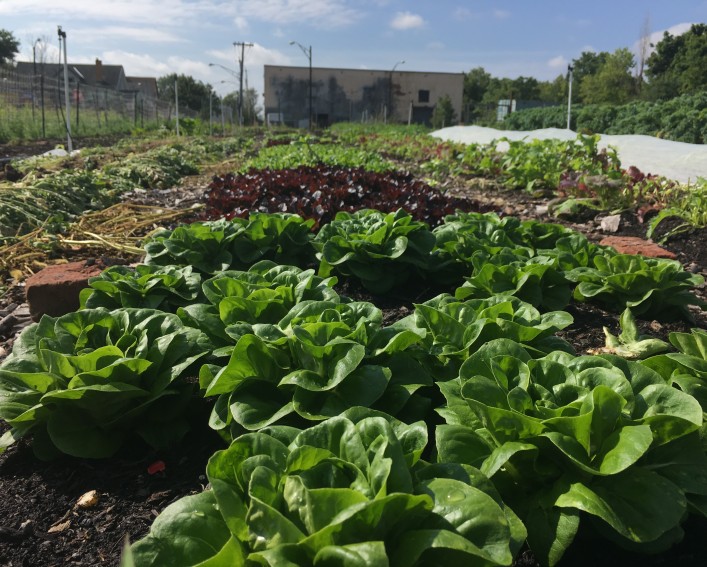
New York Urban Farms Sustainable Pest Management Fact Sheet Series
Cornell Cooperative Extension has partnered with dozens of urban farms across New York State to demonstrate and evaluate sustainable pest management strategies. Together with farmers, we found success using control methods that prevent or reduce crop losses through exclusion strategies, crop timing, host resistance, the introduction of beneficial organisms, and more. Regardless of management strategy used, common requirements for success include a knowledge of the pest and disease complex, preventative deployment and commitment to the process. We've developed a set of fact sheets with case studies highlighting pest management techniques that New York urban farms have found valuable.
The fact sheets are also available in Arabic, Chinese, and Spanish. Contact us for the translated PDFs.
Pest Management
Disease Resistant Crop Varieties
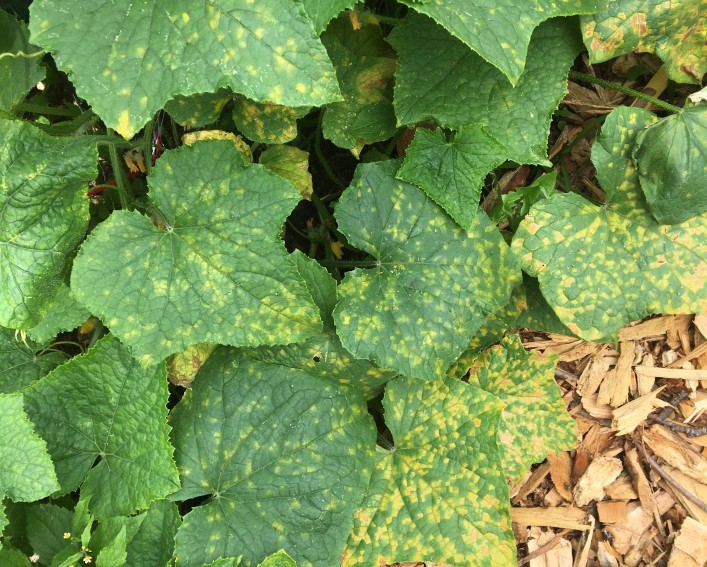
There's an opportunity to prevent disease from the crop in the first place. For some crop and disease combinations, perhaps the most straightforward method is to select a variety of the crop that has been bred for resistance to the disease. This technique begins before we ever sow a seed! Catalogs will list information about each variety's disease resistance. When purchasing seeds, choose the varieties with listed resistance to the diseases you're most concerned about. We like to note that disease resistant vegetable varieties are nearly always non-GMO, and often available as untreated or certified organic seed. Selecting resistant varieties is an easy, cheap, and effective strategy to get ahead of plant diseases.
Pest Management
Row Covers
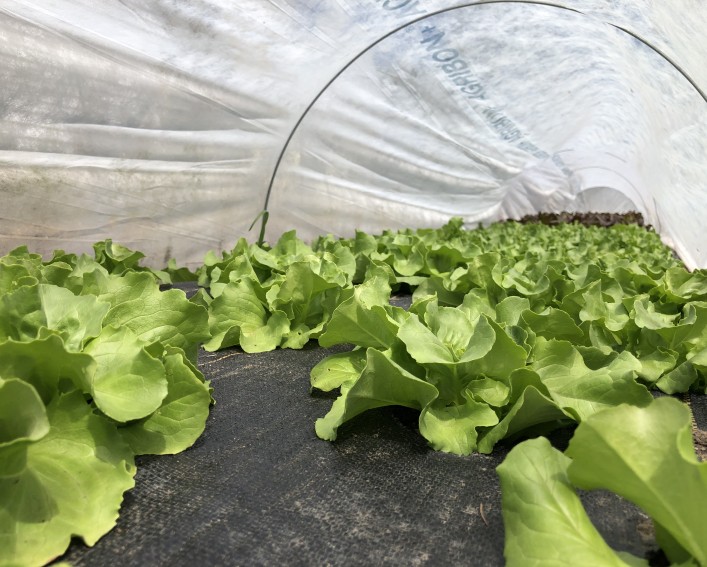
Keeping pests (particularly insects and mites) away from a young planting gets crops off on the right foot. Urban farmers use row covers and insect nets as barriers, physically preventing pests from reaching their host plant. These covers and nets are typically a temporary tool designed to be put on and taken off during the growing season, often early in crop cycles. It is helpful to do some research on the pest's biology and life cycle to be sure we are keeping the pest out and not in! Remember: Row cover is a protective measure; install it before the pest arrives on the crop. This tool must match crop needs too, such as temperature tolerance and pollination requirements.
Pest Management
Releasing Natural Enemies
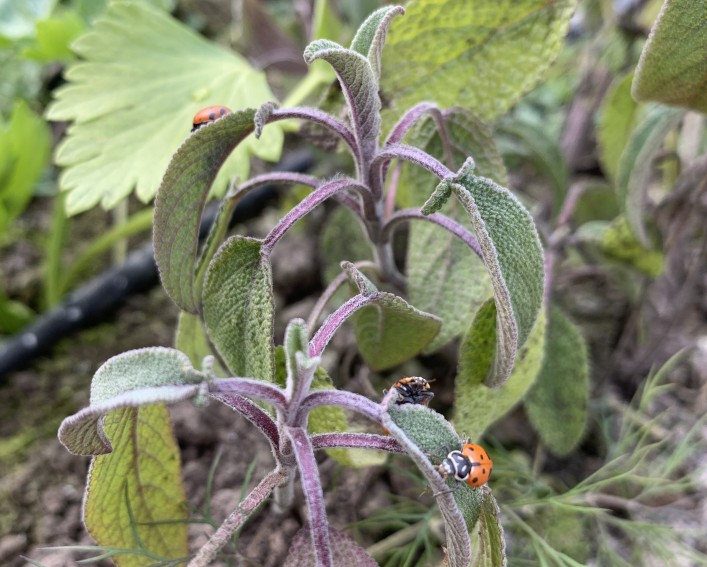
Many urban farms use biocontrol strategies such as the introduction of natural enemies to their growing spaces for pest management. Mimicking the natural world, we use good bugs to manage the bad bugs! Many pest species have their own natural enemies that can be purchased and released on the farm. These beneficials, or biological controls, prey upon or parasitize the pests. To be successful growers, we must have knowledge on the right natural enemy to release at the right time and in the right place. In our experience, this approach works best in enclosed systems, such as greenhouses, high tunnels, and under row cover. Biological controls should be applied early in the pest/crop cycle. This is a biological system that requires attention to detail and commitment from the grower. Local cooperative extension and biocontrol suppliers are great places to gather knowledge on biocontrol techniques.
Pest Management
Brassica Break
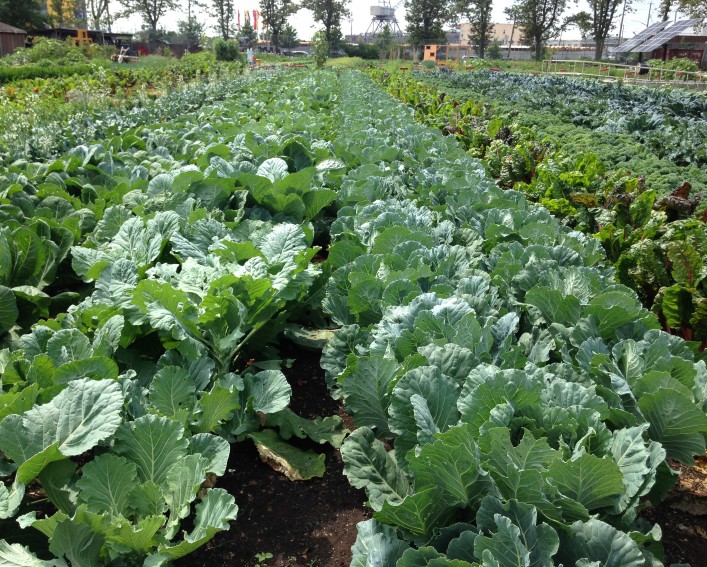
Urban growers use of time as a pest management tool. Brassicas (also known as crucifers and cole crops) are the most common crop family on urban farms in New York. They are also host to a range of insect pests, including cabbageworms, flea beetles, cabbage aphid, Swede midge, harlequin bug, and cabbage whitefly. A cultural control we're calling "Brassica Break" creates a calendar window at some point during the year when there are no brassicas available to insect pests anywhere on the farm. When you remove the plants, you remove the pests!
Management Practices for Urban Soil Health
Management strategies for vegetable production systems with soils high in organic matter are being evaluated. These conditions are commonly encountered in urban agriculture, where growers often cultivate crops in imported soil blends that have been developed and amended over time, as well as in high tunnel systems where limited leaching can contribute to nutrient accumulation. In both settings, soil pH and calcium levels frequently increase as a result of alkaline irrigation water and substantial grower inputs, including compost and fertilizers. Elevated soil pH can reduce the availability and uptake of essential plant nutrients, potentially limiting crop productivity.
Five Management Practices for Urban Soil Health case studies have been developed to share project updates and findings related to urban cover cropping, soil pH management, and bulk density improvement. Each case study examines the effects of these management practices on soil health and crop performance, providing practical insights for growers managing high-organic-matter soils.
Soil Health
Using Cover Crops in High Organic Matter Soils
Soil Health
Cover Cropping in Raised Beds
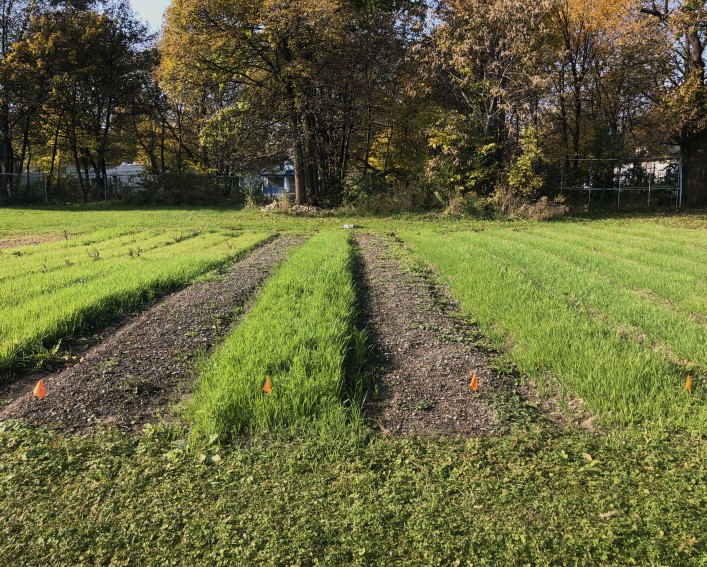
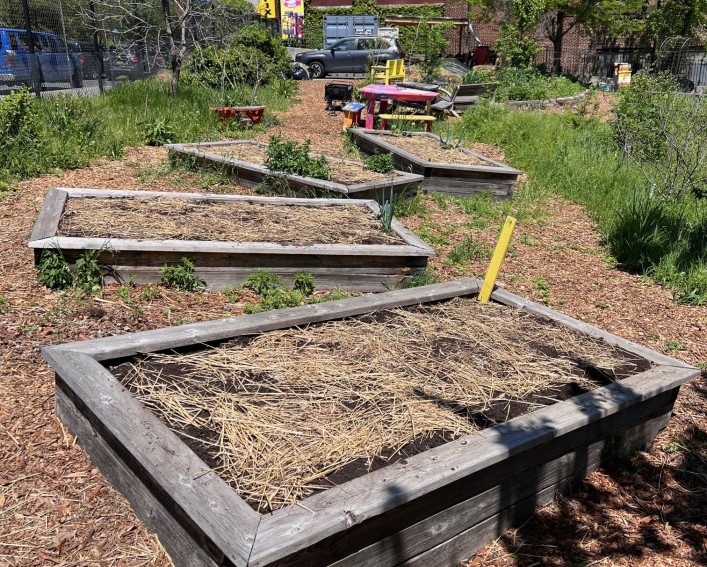
This case study presents findings from a cover crop demonstration trial conducted on an urban farm in New York City to evaluate the effects of cover crop termination methods and cover crop use on soil health. Farm managers were interested in improving soil structure, identifying a cost-effective and labor-efficient cover crop termination strategy, and assessing the potential for grass cover crops to provide mulch following termination.
The trial compared mowing followed by tarping as a cover crop termination method and examined its effects on soil health. Results indicate that mowing and tarping can serve as an effective, labor- and cost-efficient termination approach for small-scale production systems. Retaining cover crop residues as surface mulch through a "chop-and-drop" strategy, combined with tarping rather than tillage, may improve soil aggregate formation and enhance soil moisture retention. In addition, residues from grass cover crops, such as rye and oats, can provide a mulch layer for subsequent crops, offering potential benefits for soil protection and moisture conservation.
Soil Health
pH Adjustment in High Tunnels
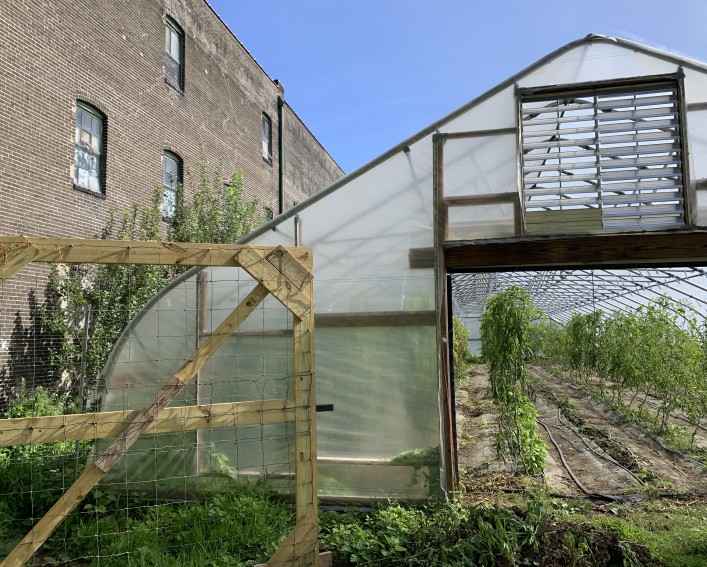
This case study presents findings from a demonstration trial conducted on an urban farm in Erie County to evaluate the effects of soil pH adjustment in high tunnels through applications of elemental sulfur. Soil pH is a critical component of soil chemistry that influences nutrient availability and uptake by crops. Most urban agricultural soils in New York State have pH levels ranging from 7.1 to 8.1, exceeding the optimal range for many vegetable crops.
The trial compared a treatment plot that received two elemental sulfur applications over a three-year period with an untreated control plot. Soil and foliar test results provided evidence that elemental sulfur applications reduced soil pH; however, additional research is needed to determine appropriate application rates and the longevity of treatment effects. Elevated soil calcium concentrations were also observed and may influence the effectiveness of sulfur applications in lowering soil pH. In addition, high soil salinity levels were detected, which may contribute to plant stress and reduced crop yields.
Soil Health
pH Adjustment Case Study in NYC
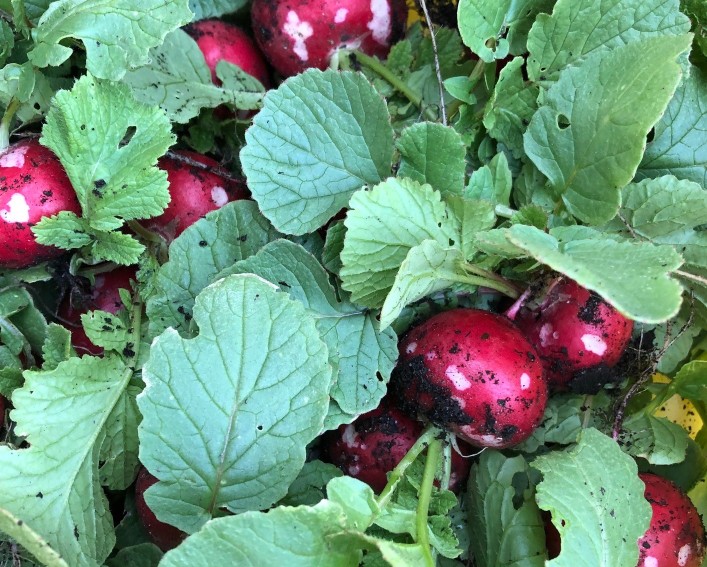
This case study presents additional findings from a demonstration trial conducted on an urban farm in New York City to evaluate the effects of soil pH adjustment through elemental sulfur applications. Farm managers were interested in determining whether sulfur applications could lower soil pH, improve crop yields, and reduce pillbug feeding damage on radish roots.
The trial included two treatment plots that received elemental sulfur applications twice over a two-year period and two untreated control plots. Soil test results demonstrated that elemental sulfur applications reduced soil pH in the treated areas. Growers also reported increased crop yields and lower levels of pillbug damage in plots receiving sulfur treatments.
While these findings suggest that elemental sulfur may be an effective management tool for improving soil conditions and crop performance in urban production systems, further evaluation is ongoing. Future work at this site will include foliar nutrient testing to better understand the relationship between soil pH adjustment, nutrient uptake, and crop health.
Soil Health
Bulk Density Adjustments for High Organic Matter Soils
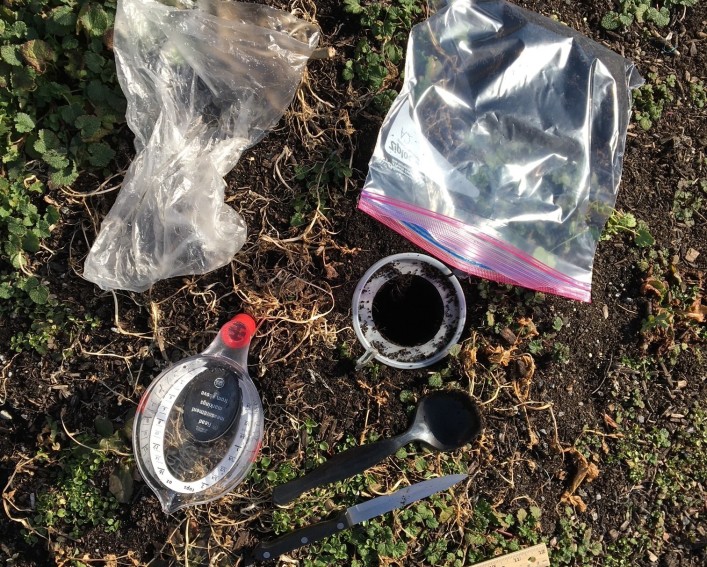
This case study examines whether accounting for soil bulk density can significantly influence soil test interpretations and resulting nutrient management recommendations, particularly in urban agricultural systems where large quantities of compost and imported soil blends are commonly used. These soils often contain exceptionally high levels of organic matter and typically have much lower bulk densities than predominantly mineral soils.
Bulk density measurements were collected from soils at nine urban farms and evaluated alongside standard soil nutrient analyses and, where available, foliar nutrient tests to assess plant nutrient status. Results demonstrated that bulk density can substantially affect the interpretation of soil test data. Before adjusting for bulk density, most soil tests categorized potassium levels as within the optimal range. After adjustment, however, most sites were classified as below optimal for potassium. This shift has important management implications, as it can change recommendations from requiring no additional potassium inputs to warranting significant potassium fertilization.
Interpreting Soil Fertility Information
Whether on an urban or rural farm, we need healthy soil to grow healthy crops. Part of a successful strategy to reach this goal is regularly scheduled soil tests. This article focuses on how we interpret soil fertility information from soil tests (pH, nutrient levels, percentage of organic matter, etc.) for urban soils to make informed management plans and troubleshoot challenges.
Community Gardens Soil Testing Program
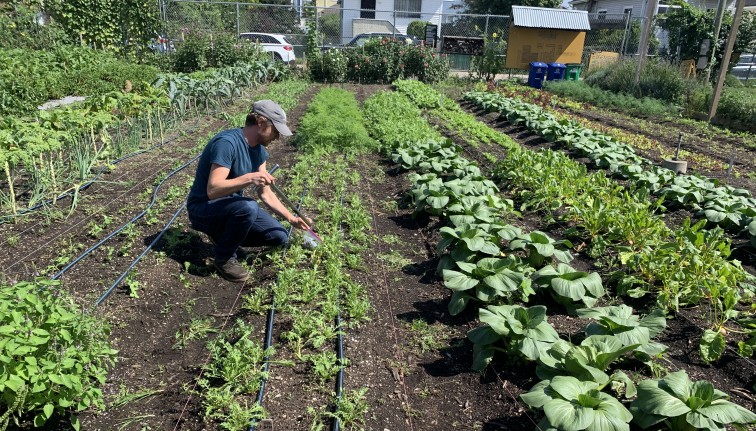
Soil testing supports the growth and expansion of community gardens by protecting the health and safety of the food produced in these gardens. Cornell Cooperative Extension, in partnership with the NYS Department of Agriculture & Markets (AGM) and the Cornell Soil Health Lab, is offering eligible, food-producing gardens in New York State the opportunity to send soil samples for testing without charge.
The soil test will analyze samples for heavy metals and nutrient levels. Test results help gardeners make appropriate plans to produce high quality fruits, vegetables, and flowers. Technical support and education for participating growers will be available from the CCE Harvest New York team.
NOTE: We've reached capacity for 2026! Check back for more information. We hope this program will run again in 2027.
Urban Pest Management Needs Assessment
As part of a multi-year project exploring non-spray pest management options that are economically and environmentally sustainable for urban farms, we conducted a needs assessment with urban growers across New York State. The New York State Urban Growers Pest Management Needs Assessment presents findings on current pest management practices, challenges, and topics of future interest.