

An Ombrotrophic Peatland
A peat bog, an ombrotrophic peatland, has a high water table without mineral nutrients and with low oxygen. It is hard for plants to survive in this type of environment, but sphagnum moss thrives there while also acidifying the water.1
There are around 160 species of sphagnum peat moss.1 Peat moss used in the horticultural trade is primarily harvested from Canada and what is harvested from these bogs is the genus Sphagnum. Sphagnum peat moss is used as it has few weed seeds and can hold lots of water.
Peat moss grows slowly and only if the conditions are perfect. The Canadian peat bogs have been developing over the past 10,000 years, since the last Ice Age.
Peat moss is mixed with other material for horticulture mixes sold commercially and has for some time. It provides drainage which is important to containerized plants. In the United States peat moss is harvested in Minnesota, Indiana, Florida and Illinois.2 Once harvested, peat bogs grow back slowly. Canada does restore bogs to ensure that this finite resource does not completely disappear.1
Peat Bogs, Fens and Peat Swamps
Besides overharvesting, peat bogs, fens and peat swamps are threatened by climate change, habitat and nearby developments that can change the nature of surrounding areas.3 They are sensitive to disturbance. There is research that suggests that harvesting of peat bogs adds to climate change by releasing carbon stored in these bogs.5
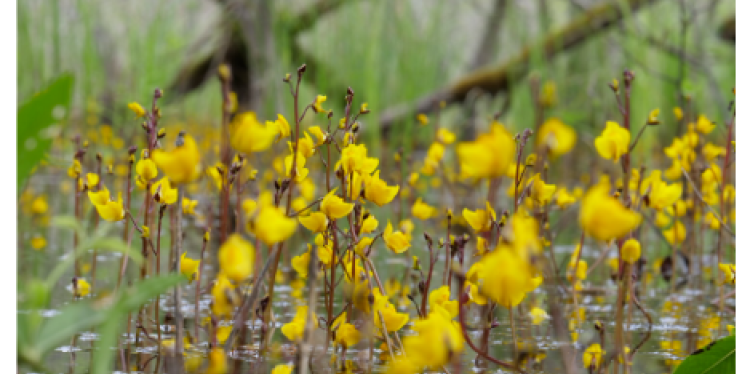
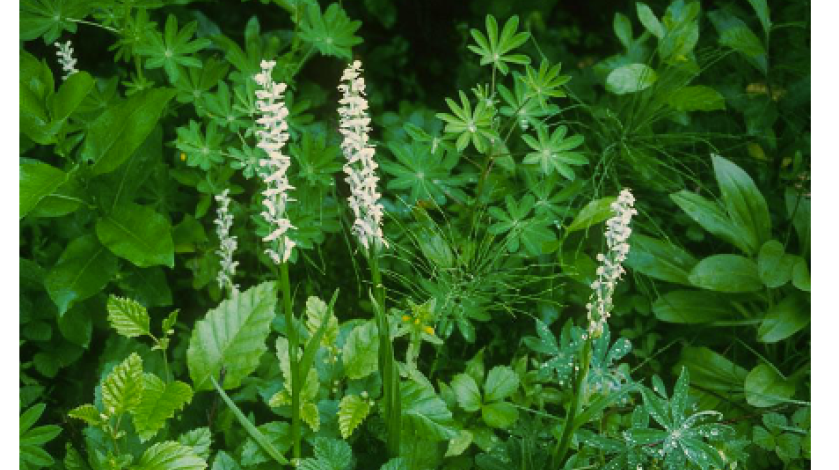
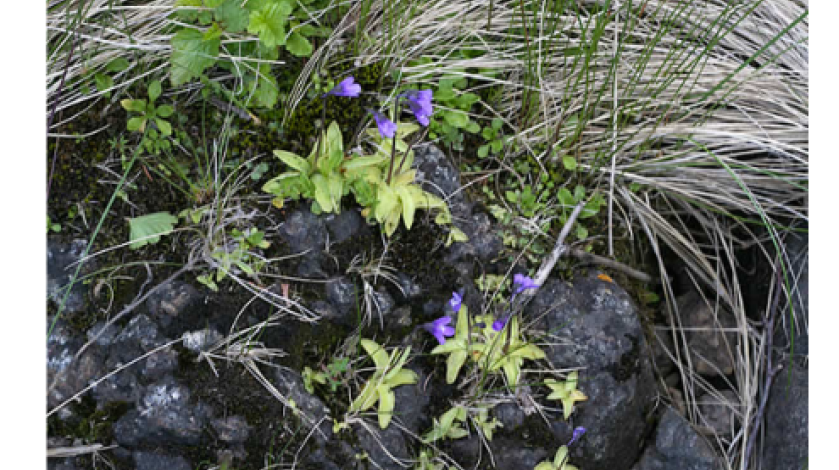
Peat bogs and fens in America are where carnivorous plants, like sundews, bladderworts and pitcher plants, and bog orchids live side-by-side.4 The acidic nature of bogs/fens and humidity create the perfect environment for peat moss, orchids and carnivorous plants. Peatlands are also home to other species that rely on their composition.3 Turtles, birds such as Palm warblers and eastern towhees, snakes and grouse, to name a few.
There are alternatives to peat moss that are more sustainable. Coco coir is a material made from the fibers of the coconut husk. When dried, it is packaged into bricks. Once re-hydrated, it can be used in garden containers to both absorb water and keep the soil from drying out. It can be used in the potting mix or on top of the soil instead of mulch. Rice hulls can be used for drainage in container plant pots. Both coco coir and rice hulls are sustainable. Additionally, compost can be used in place of peat moss. Coco coir, rice hulls and compost can all be used alone or mixed in with a commercial potting mix to make using peat moss more sustainable.
- Is Peat Sustainable?, Grower Talks
- Is peat moss green-friendly?, Michigan Gardener
- Peatlands, University of New Hampshire
- Orchids, Carnivorous Plants, and Ring Tone Thrushes, The Wild Land of Lincoln
- Harvesting peat moss contributes to climate change, Oregon State scientist says, Oregon State University
Dear Aggie Column
You may have heard the term ‘value-added’ before, and more recently, you might be hearing it a lot more than usual! While diversification (increasing the amount and type of products offered) has always been a strong tool for farm businesses...