

I want to get involved in horticulture but am unsure where to start. According to the USDA, horticulture is defined as a branch of agriculture concerned with growing plants that are used by people for food, for medicinal purposes, and for aesthetic gratification. In this field, your choices are broad due to many interesting specializations!
On average, horticulture happens on a small scale like a 6’x8’ greenhouse or formal flower bed. But interested producers can turn their farm into a large-scale operation. It deals with the cultivation of all types of flora, from trees and shrubs to flowers and vegetables. Many horticultural practices involve crop diversity compared to monoculture. Horticulturists also study plants and use technology to improve their quality and quantity.
Here are some specializations to consider: olericulture (vegetables), pomology (fruit), tree nuts, plant propagation/nursery crops, landscaping, and even floriculture.
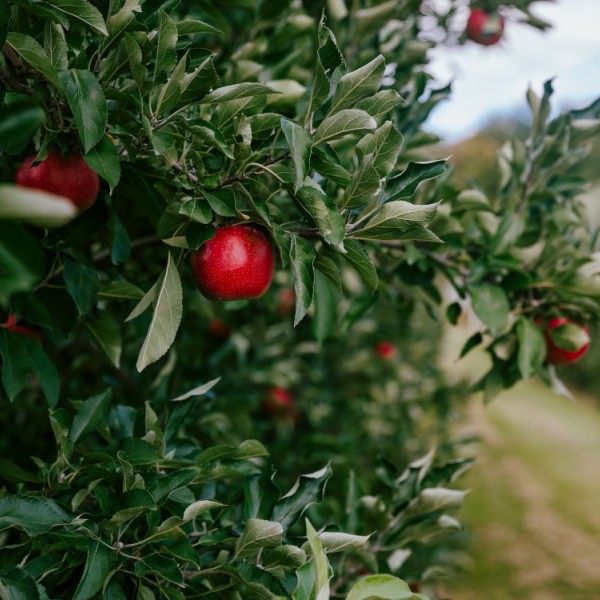
Vegetable and fruit production are some of the most common specializations. Olericulture consists of vegetables and herbs. Typically, this production includes market gardening, plant nursery, and producing medicinal herbs for value-added purposes. Pomology consists of small and tree fruit. This production includes orchards, vineyards, alley cropping, u-pick berry farms, and value-added products like making jams.
Tree nuts like walnuts and hazelnuts usually include a longer time investment, but other types of production can take place in between harvest periods. For example, lumber can be harvested for wood working purposes.
Plant propagation and nursery crops play a huge role in season extension. Due to the extreme cold temperatures, there are shorter growing seasons in upstate NY. Therefore, greenhouses, high tunnels, and other structures are necessary for farmers and gardeners. These practices allow warmer climate plants to be produced in better controlled environments, and native plants can be propagated for native restoration projects.
Landscaping and ornamental care can include multiple types of services. Designs and layouts can be implemented with site assessments, plant lists, soil testing, etc. to ensure that suggested plants can have optimal growth with the current growing conditions on the property. Some projects would be hardscaping, transplanting, laying sod, building ponds, trenches, etc. Some maintenance practices can include weeding, mowing, trimming, deadheading, etc. Public horticulture involves the design and maintenance of arboreta, public gardens, parks, and athletic facilities. Indoor care can also be implemented in horticulture therapy like hospitals and other medical facilities. Home horticulture is for non-professionals, and it is considered one of the most popular hobbies in the country. There are many services to choose from in this field of horticulture.
Floriculture involves cut flower production, nursery plants, and gardening. Specialty gardens (for example, roses) can intertwine with landscaping and ornamental care. Cut flower production can include flowers and greenery that can be harvested to make fresh and dried bouquets. There are also opportunities for bloom bars, u-pick options, and arrangement workshops. Nursery plants, bulbs, and tubers can have certain varieties that some seeds cannot reproduce.
Even though the horticulture field can be quite broad, there are so many opportunities to get involved. A large range of positions like horticulturist, landscape architect, weeder, market gardener, tree farmer, fruit producer, educator, researcher, plant breeder, etc. make horticulture a field available to people with differing interests. If you are interested in growing plants that are used by people for food, for medicinal purposes, and for aesthetic gratification, you may have found your place in horticulture!
For more information on specializations in horticulture, feel free to contact our local CCE Office at 315-788-8450 or Cierra Williams at clw247 [at] cornell.edu.
News

We openly share valuable knowledge.
Sign up for more insights, discoveries and solutions.