
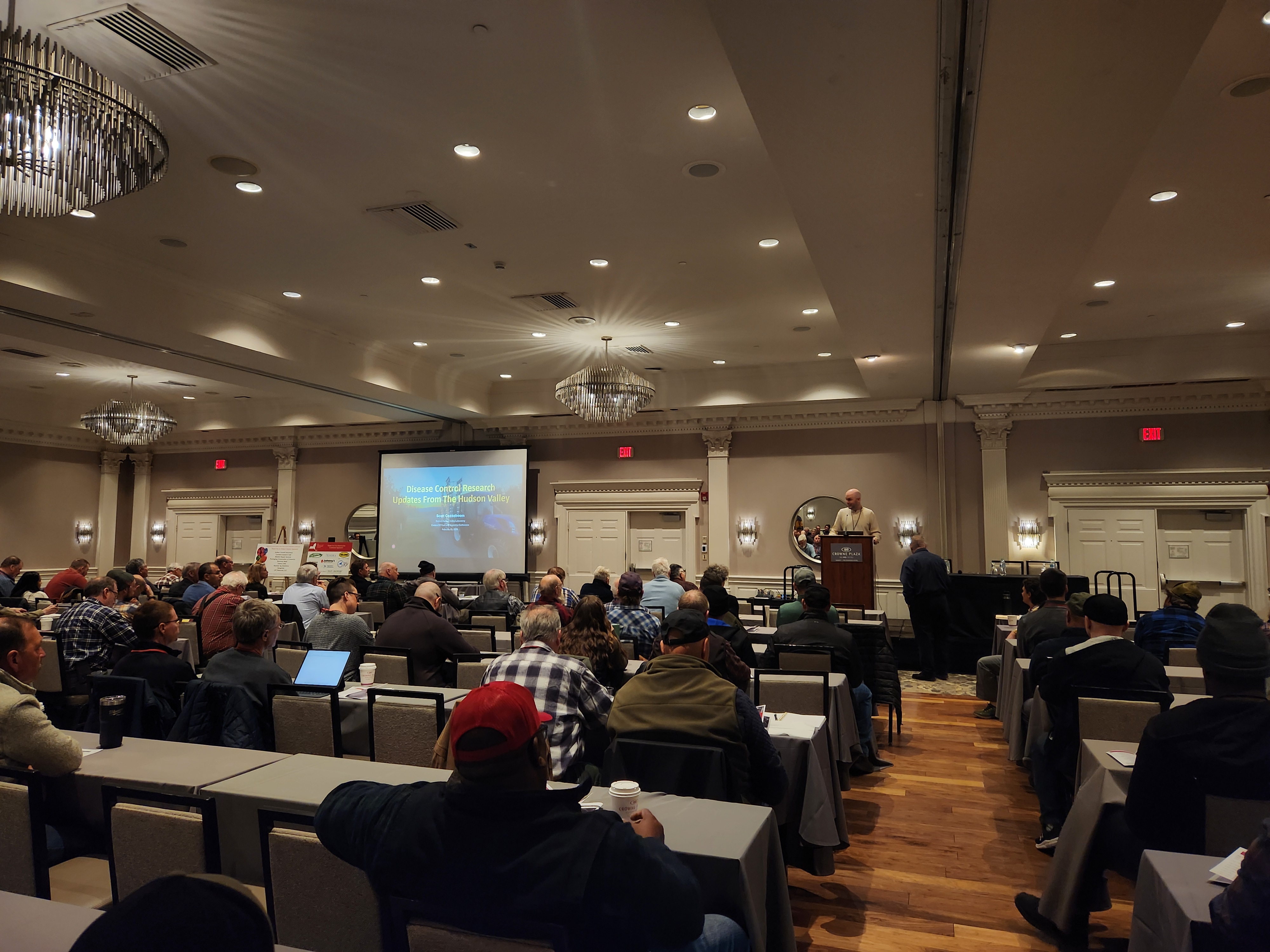
Celebrating 10 Years of Eastern NY Fruit and Vegetable Conference!
It’s hard to believe that 2026 was the 10th anniversary of the Eastern NY Fruit and Vegetable Conference held February 25 – 26, 2026 at the Desmond Hotel and Conference Center in Albany, NY. The ENY FVC started in 2016 when we combined 4, separate commodity meetings (Northern NY Tree Fruit Meeting, Lower Hudson Valley Tree Fruit Meeting, the Capital District Vegetable Meeting and the Lower Hudson Valley Vegetable Meeting) into 1, multi-day conference.
2026 did not disappoint with 319 growers and industry representatives in attendance on Day 1 and 262 on Day 2 with 49 exhibitors showing off their products and interacting with conference attendees. Sessions for the conference included 2-days of tree fruit, 1-day of vegetable and greenhouse crops and ½-day sessions for grapes and small fruit. This year also showcased 1 full day session called “Wash & Pack” where growers got to learn with interactive and live demonstrations of food safety practices they can do on their own farms. These interactive demonstrations included how to sanitize a produce washer, learn about different disinfectants and how to use them appropriately as well as other food safety related topics.
Through the years we’ve continued to change and adapt to the times, we've never lost sight of the purpose of the meeting: bringing growers, industry and educators together to learn from each other and propel the NYS fruit and vegetable industry forward.
Color and Harvest Management of the EverCrisp TM Apple
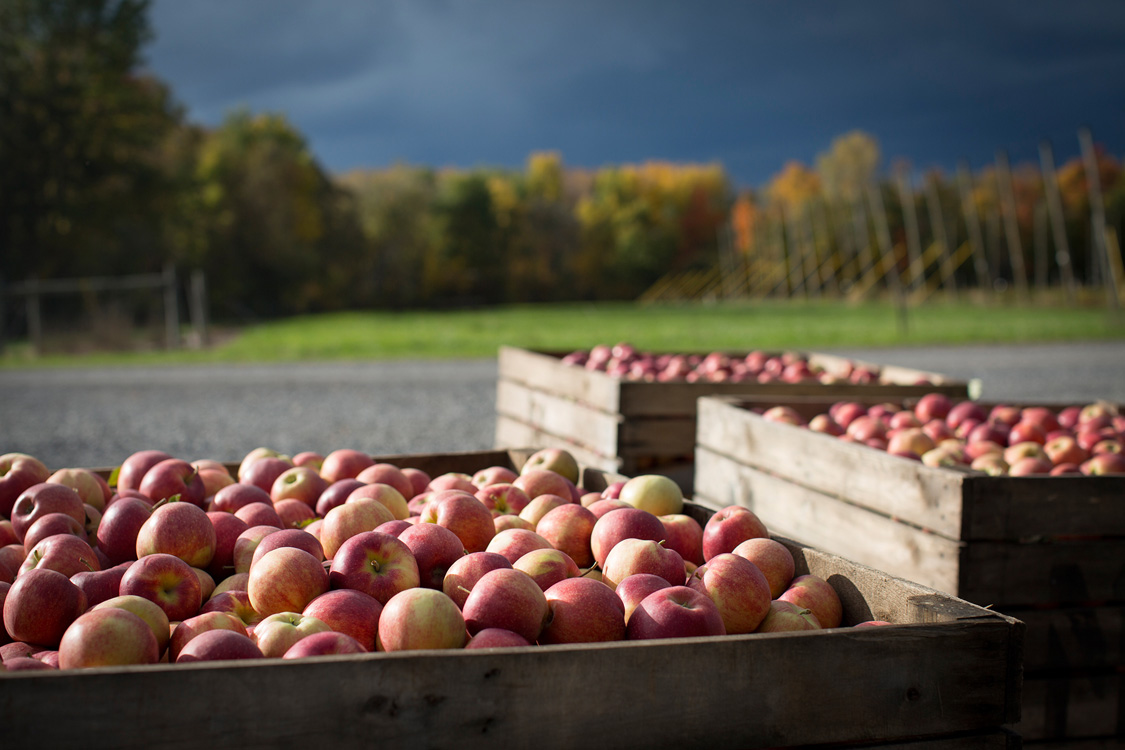
EverCrisp is a new variety, a cross of Honeycrisp x Fuji, developed by the Midwest Apple Improvement Association. The apple is growing in popularity with consumers due to its sweet taste along with balanced acidity and excellent shelf life. The variety offers higher yield potential than Honeycrisp with fewer storage disorders. Unfortunately, it is a bi-color apple which can have some difficulty with red color development in some years, and it is susceptible to water core disorder. Dan Donahue conducted research in the Hudson Valley during the 2025 growing season to find ways to mitigate these problems and the results were presented at the Cornell Cooperative Extension ENYCHP Fruit and Vegetable Conference in February 2026.
We found that red color development in EverCrisp benefits significantly from the deployment of silver mylar ground cover in the row middle four weeks prior to first harvest. It is also interesting that red color does not improve if harvest is delayed, however the incidence and severity of the water core disorder does significantly worsen. As a harvest strategy, our results suggest that the use of reflective mylar implemented along with are harvest strategy of strip-picking the upper 50% of the tree canopy at first pick, followed by the lower canopy seven days later will strike an acceptable balance between fruit maturity, red color development and water core mitigation.
This apple variety may have a profitable future for growers in the Hudson Valley if we can find economical and effective solutions to improve red color and mitigate the water core disorder.
Berry Pruning Workshops: Blueberries, Blackberries, and Raspberries
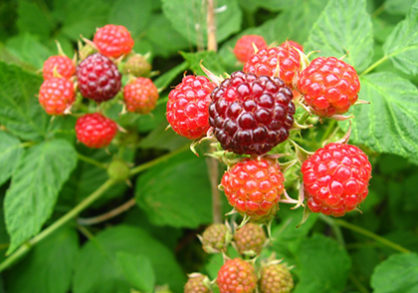
Pruning workshops are frequently requested, and this winter two workshops were hosted: Pruning for Berry Health 101 and Blueberry Pruning in English and Spanish.
Pruning for Berry Health 101 was organized and hosted by CCE Schoharie-Otsego, ENY, and Middlefield Orchards. Willie at Middlefield Orchard volunteered his farm as a host site. On Saturday, March 7th, approximately 30 growers attended this workshop pruners in hands. Each person got quick reference sheet, detailing important pruning pointers in writing. Starting with raspberries, followed by blueberries, attendees watched the ENY Small Fruit Specialist talk through what gets pruned and why, followed by pruning the cane in question. As a group, attendees and the specialist would discuss what should be pruned and why, followed by attendees going off and pruning fall-bearing and summer-bearing raspberries on their own.
At the Hudson Valley Farm Hub on March 26th, a crew of 16 people and two translators went into the field to learn or refresh their memories of pruning blueberries. To overcome the language barrier, translation devices were used. One channel was Spanish and one was English. The Eastern NY specialist would speak in English, and translators would translate into Spanish. Different varieties of blueberries are pruned, as some have different growth habits and have different vigor. After demonstrations were done, attendees went off in groups and pruned bushes.
150 Farms Attend Farm Insurance Webinar Series
Liz Higgins organized a successful farm insurance webinar series this winter, "I Thought I was Covered for That, Insurance information for Farms". The focus of the program was to help farmers become better and more knowledgeable consumers of insurance.
The program had over 160 registrants from across NYS and from 14 other states and generated lots of discussion during the programs and follow up email questions. Each of the 5 webinars had between 50 and 85 participants in attendance. The webinars were:
- Insurance 101: Jennifer Messing, American National/Farm Family Insurance with Steve Hadcock, CCE Capital Area Ag Team and Greg Mruk, FarmNet
- Liability Insurance: Elizabeth Higgins, CCE ENYCH
- Federal Disaster and Insurance Programs: Elizabeth Higgins, CCE ENYCH
- Insuring People (Health, Disability, Retirement, Life Insurance): Lucas Smith, Cornell Ag Workforce Development, Maire Ullrich, CCE Orange County
- Insuring Property: Steven Glick, Kevin Daniels Agency, Colin Hostetter, CCE North Country Ag Team and Desire Keever, CCE Delaware County
All of the registrants received links to the recordings, and the full series is available on the ENYCH YouTube Channel.
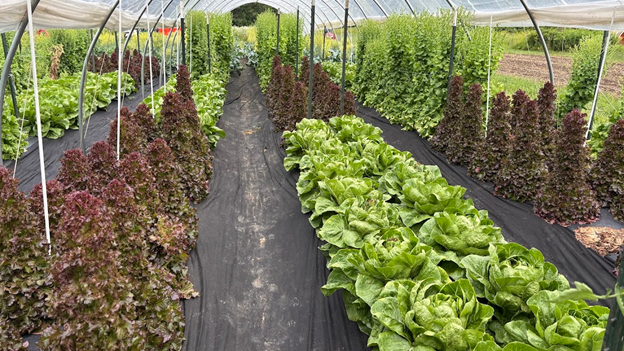
OSPREY Project continues to support seed production to the Northeast
Seed production in all regions of the country continues to be a priority as climate change and international instability threaten seed production in historical regions. Building on previous SARE-funded work, Crystal Stewart is working with a team of national seed experts on a USDA-OREI project to better understand the strengths and weaknesses of each region of the country in producing seed. We are currently entering year two of three of trials in which we will replicate plantings of lettuce, tomatoes, summer squash, and broccoli to compare yields and quality in an effort to develop best practices for each area and to understand how regions like the Northeast, which has traditionally not produced commercial seed crops at scale, can begin to do so.
Year one of the Organic Seed Production Research on Economics and Yield (OSPREY) wrapped up with all 6 sites reporting complete datasets which are being analyzed by a statistician to provide insights into year two production. As we begin seeding plants for year two, the team continues to meet about lessons learned and is already generating best practices which will help seed producers in the near future. Our initial results will be shared this coming winter at the New England Vegetable and Fruit Conference and at a field meeting in Fulton County in September which is expected to attract seed producers from throughout Eastern NY.
Virtual Asparagus School Draws Participants from Several States and Provinces
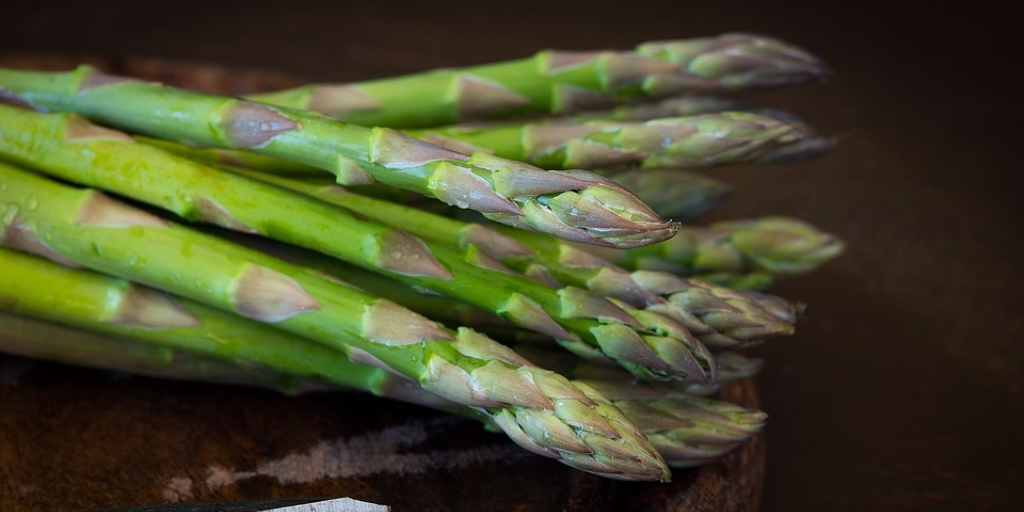
Asparagus is a minor but important crop for sales on many New York vegetable farms, bringing revenue early in the season before many other vegetables may be harvested. Few programs offered by CCE have focused on asparagus in recent years. In response to a need expressed by North Country growers, On March 17, Vegetable Specialists Elisabeth Hodgdon and Elizabeth Buck held a Virtual Asparagus School via Zoom, sponsored by a Northern NY Agricultural Development Program grant (PI Hodgdon). Sixty three participants attended the webinar, representing 10 states and 4 Canadian provinces, spanning from Nebraska to Prince Edward Island.
Speakers Ben Werling (Michigan State University) and Elaine Roddy (Ontario Ministry of Agriculture, Food and Agribusiness) discussed the basics of asparagus production, including establishment and maintenance of the crop. Elizabeth Buck shared results from her on-farm asparagus variety trials, and industry representatives Brandon Yott (Fox Seeds) and Wenjing Chen (Walker Brothers) further detailed variety information for their companies’ offerings. Lastly, growers Paul Fenton of Batavia, NY and Pier-Luc Hervieux of Lanoraie, QC presented on unique aspects of their farms’ asparagus production practices, including weed control and equipment investments to improve efficiency. Pesticide credits for the program were offered for New York and all New England states.
ENYCHP Hosts a Wide Diversity of Winter Tree Fruit Extension Programming
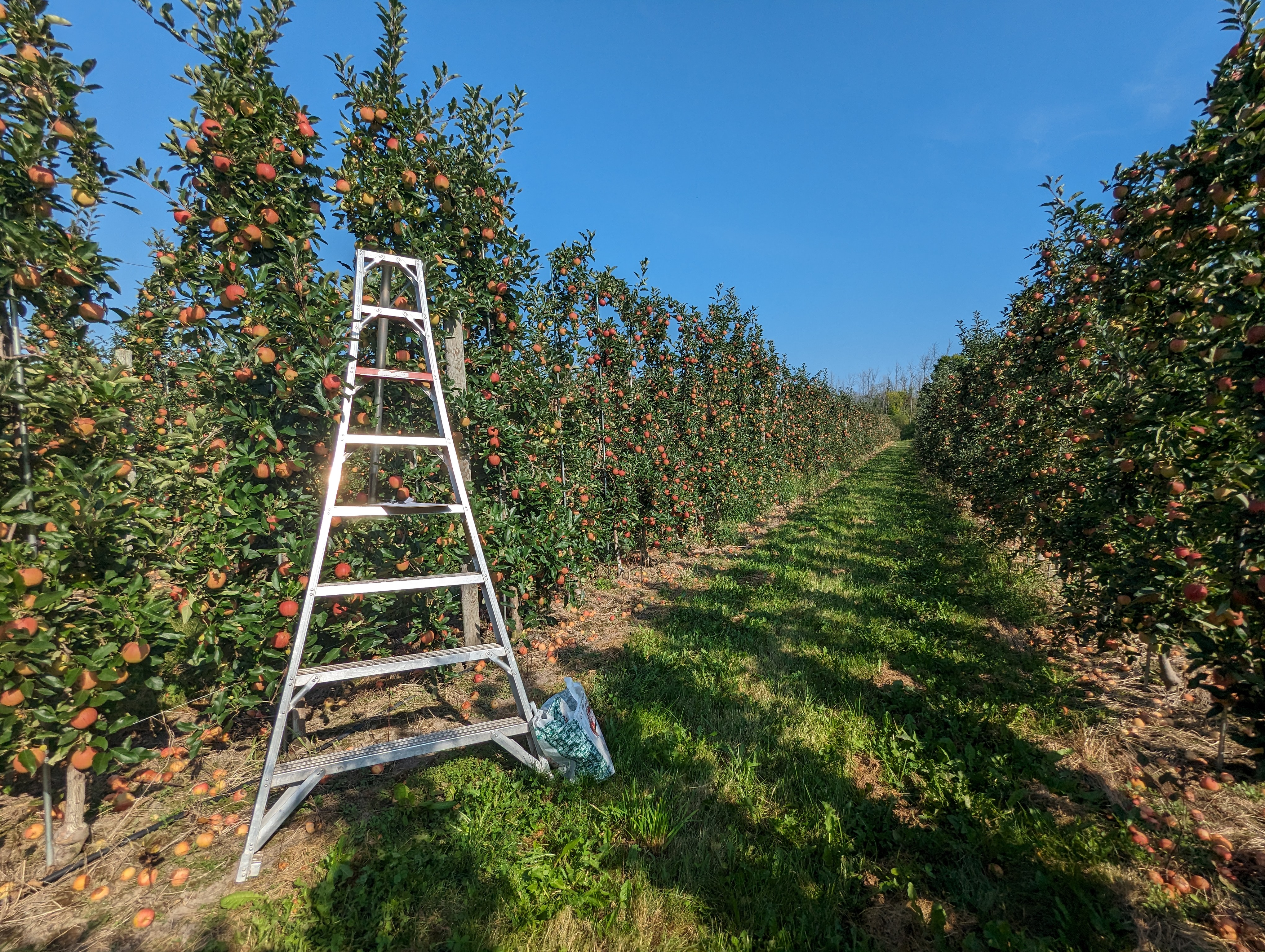
While the winter months generally represent a quieter time in the orchards and the extension field season, ENYCHP specialists kept plenty busy this winter during our winter programming season by offering ENY growers a wide diversity of tree fruit meetings.
Perhaps our most well-known meeting each winter is the ENY Albany Winter Fruit and Veg Conference, which was held this year on Feb 25 and 26 at the Desmond Hotel. This year, we once again offered three tree fruit sessions, with a wide range of topics in the areas of horticulture, disease management, insect management, and business management. In addition to our speakers from the HVRL, AgriTech, and ENY specialists, we also had invited guests from the University of Massachusetts, and grower speakers from the ENY region. Each session was attended by approximately 150 attendees on average, and we received positive feedback from many growers, consultants, faculty, and trade show vendors about the conference. This year we were also once again able to record the session talks, so that we could share with growers unable to attend in person.
In addition to this conference, smaller local meetings were also held within the region. On Feb 28, 20 people attended the Schoharie/Otsego Apple pruning meeting in Middlefield. On May 17, 18 growers attended the Champlain Valley Orchard IPM refresh meeting in Chazy.
In addition to this large conference, ENY specialists also contributed to two online webinar series for those that could not attend in-person meetings. The Cornell Winter Fruit Webinar series ran six webinars from January through March, and included a wide spread of topics, pulling in an average of about 100 people per webinar. The Northeast Fruit Consortium also hosted a series of six webinars, pulling in about 35 people on average per session.
Also of note was a half day program on sunburn on fruit coloring that was offered virtually through the SPARC USDA NIFA project, of which Mike Basedow is a member of the extension team. This project’s goal is to identify and help growers mitigate fruit yield and quality losses from severe weather events, both cold and heat. The “Heat School” was hosted live in person in Wenatchee, WA, but was also streamed through zoom so New York growers could attend.
Finally, to engage with new and beginning orchardists, Mike once again co-taught the Cornell Small Farms Intro to Tree Fruit Online Course. This year we had about 60 people enrolled, with enrollees joining us from across NY, the country, and an international student or two.

We openly share valuable knowledge.
Sign up for more insights, discoveries and solutions.