

By the Fourth of July, most of us have stopped thinking about planting and started thinking about harvest. But for the gardener willing to look ahead, early July is exactly when the second season begins.
Fall planting works differently from spring planting. In spring, we count forward from the last frost. In Fall, we count backward from the first one — for Albion, that’s October 9. Once you know your frost date, the math is simple: check the “days to harvest” for your variety, count back from October 9, and that’s roughly your planting deadline. A little extra buffer is wise, since Fall growth slows as daylight shortens and temperatures cool.
This backward planning is also why Fall gardening rewards a bit more attention than spring does. In spring, nature does some of the work for you — the soil warms, the days lengthen, and most things you plant are racing toward summer. In Fall, you’re planting into a season that’s slowing down, so timing matters more, and a missed window is harder to recover from. The upside is that many Fall crops actually prefer these conditions. Cooler nights bring out better flavor in greens and brassicas, and a light frost often improves them rather than ending their season.
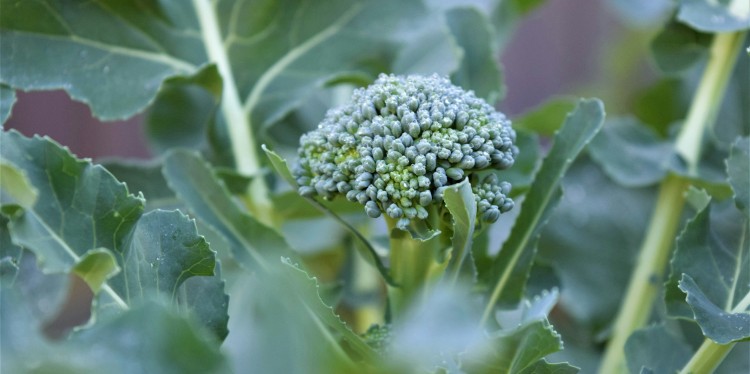
One distinction worth understanding is the difference between direct sowing and starting indoors for transplant. Direct sowing is simplest — seed goes straight into the garden bed — and works well for root crops like carrots and beets that don’t like having their roots disturbed. Starting indoors and transplanting buys you time: the plant gets a head start in controlled conditions while the summer heat outside is still too intense for tender seedlings, and it goes into the garden already established. That’s why so many of our Fall brassicas — broccoli, cabbage, kale, and their relatives — are started indoors in early summer even though they won’t go in the ground until late July or August.
A few crops on this year’s calendar are really gifts to next year’s garden rather than this Fall’s table. Garlic and onions get planted in late summer, spend the winter building roots underground, and reward you with an early start come spring. If you’ve never grown garlic, this is a satisfying, low-effort way to begin — plant it, mulch it, and mostly forget about it until next year.
If you take nothing else from this article, take this: walk through your garden this week and look for room. A spent row of lettuce, a bean patch that's stopped producing, or a bare corner that never quite filled in is a perfect spot to put your Fall Garden plants. You may find you have more growing season left than you think, now is the time to get started.
For specific planting windows, see the table below — and if you want to talk through your particular garden’s timing, stop by Growing Community Hours at the OCSS Barrel and CCE Orleans Vegetable Variety Trial gardens, Wednesdays from 4-6 pm through August.
Fall Planting Windows for Albion, NY (as of July 1)
| Crop | Sow Indoors | Transplant | Direct Sow |
|---|---|---|---|
| Broccoli | Jul 1 - Jul 7 | Jun 26 – Aug 10 | n/a |
| Brussels Sprouts | Jul 1 - Jul 7 | Jun 26 – Aug 10 | n/a |
| Cabbage | Jul 1 - Jul 7 | Jun 26 – Aug 10 | n/a |
| Carrots | n/a | n/a | Jul 11 – Sep 9 |
| Cauliflower | Jul 1 - Jul 7 | Jun 26 – Aug 10 | n/a |
| Chard | n/a | n/a | Jul 1 – Sep 9 |
| Collards | Jul 7 – Jul 26 | Jul 11 – Aug 25 | n/a |
| Garlic | n/a | n/a | Jul 26 – Sep 9 |
| Kale | Jul 1 - Jul 7 | Jun 26 – Aug 10 | n/a |
| Kohlrabi | Jul 1 - Jul 7 | Jun 26 – Aug 10 | n/a |
| Lettuce | Jul 11 – Aug 10 | Aug 10 – Sep 9 | Aug 10 – Sep 9 |
| Mustard | n/a | n/a | Aug 10 – Sep 9 |
| Onions | n/a | n/a | Sep 9 – Sep 19 |
| Parsley | Jul 1 – Jul 11 | Jul 11 – Aug 25 | n/a |
| Peas (English) | n/a | n/a | Jul 11 – Aug 10 |
| Peas (Sugar Snap) | n/a | n/a | Jul 11 – Aug 10 |
| Peppers* | n/a | through Jul 1 | n/a |
| Potatoes | n/a | n/a | Jul 11 – Aug 10 |
| Radishes | n/a | n/a | Aug 10 – Sep 9 |
| Spinach | Jul 1 – Aug 10 | Jul 26 – Sep 9 | Jul 26 – Sep 9 |
| Turnips | n/a | n/a | Aug 25 – Sep 24 |
Master Gardener Volunteer Column

We openly share valuable knowledge.
Sign up for more insights, discoveries and solutions.