Food Waste Reduction
Why is Food Waste a Problem?
Wasted food is a social problem: Many of our neighbors struggle to access enough food every day. 1 in 5 children in Tompkins is food insecure. Wholesome, nutritious food should feed people, not landfills.
Wasted food is an environmental problem: Food is the largest stream of materials in American trash. Once wasted food reaches landfills, it produces methane, contributing about 8% of total US greenhouse gas emissions. It also uses 25% of our freshwater resources and 300 million barrels of oil every year to produce food that is then thrown away.
Wasted food is an economic issue: It is estimated that at the retail and consumer levels in the United States, food loss and waste totals $161 billion dollars. An average family of four throws away over $1,500 worth of good food every year.
How Can I Learn More to Reduce my Own Food Waste?
- The EPA's Reducing Food Waste at Home
- The New York State Association for Reduction, Reuse, and Recycling Strategies for Residents
- The USDA's summary of Food Waste with resources for farms, businesses, schools and consumers
- Northeast Waste Management Officials' Association's - Virtual ReCook Cafe
Food Waste Reduction Video Classes
Check out the Food as Medicine Tompkins YouTube channel and learn to:
- Not Waste A Bite through Meal Planning
- Use What You Have On Hand with Flexible Recipes
- Store Your Food Well and Use Up What is Getting Old First
- Turn Leftovers Into Something New
Donate Your Garden Produce and Volunteer Your Time to Rescuing Food from Local Retailers
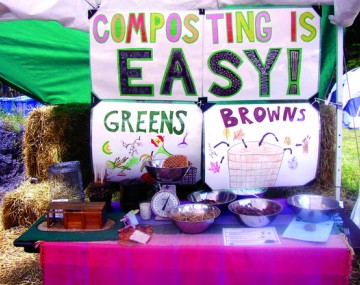
Compost all your food scraps by using county drop-off spots or or composting at home.
Learn more ways to reduce food waste in Tompkins County.
How Farms Can Reduce Food Waste
If you are a local producer, check out these resources in order to find markets for your "ugly" produce, donate food that doesn't have a market, and work on your business planning in order to avoid harvesting food before you have a buyer.
1. Donate through Friendship Donations Network or its partnership with Nourish Tompkins.
2. Learn Business Planning and check out market guides through the Cornell Small Farms Program.
3. Check out what other farms are doing locally on our sustainable agriculture page.
We openly share valuable knowledge.
Sign up for more insights, discoveries and solutions.