A Little More Time to Plant

Garlic and shallots can go into the ground as late as mid-November for harvest in July. Choose a well-drained site in your garden, and be sure to amend it with compost to give these heavy feeders a solid start.
We still have time to plant spring-blooming flower bulbs, too. Get spring-blooming bulbs like tulips, daffodils and hyacinth in the ground before it freezes. Plan for a succession of colors by planting bulbs with different bloom times. Try some pest-resistant options if deer and rabbits give you trouble.
Pick up some extra bulbs to plant in containers and force into bloom indoors. Tulips, dwarf iris, hyacinth, daffodils and paperwhites are great options. These bulbs will need pots with drainage holes and a cool, dark place like an unheated garage or basement.
Consider winter sowing. Perennials such as coneflowers, milkweed, and bee balm need a period of cold stratification for their seeds to germinate, so now is a great time to get those seeds into your garden. But if life gets too hectic, you can still winter sow in January and February, using containers. More on that to come! In the meantime, be sure to check out the selection of seeds at the Orleans Community Seed Share, the seed library based at the Orleans County CCE offices in Albion.
Plan Ahead
Before the ground freezes, take a soil sample and send it in for analysis. Getting your results now can help you get a jump on preparing your garden for spring. Learn more about soil samples and testing.
Now is a great time to pot up amaryllis bulbs for holiday blooms. Once planted, the bulbs will bloom in about six to eight weeks. Choose larger bulbs as they tend to produce more flowers.
Join us on Nov. 1 to learn more about The Art of Growing Hydrangeas. This class will focus on the seven P's for Success: Planting, Pampering, Preventing Pests, Propagating, Pruning and Preserving your hydrangeas. The class is part of our Master Your Garden education series, and it begins at 10 a.m. in the Education Center at the Orleans County Cornell Cooperative Extension offices, 12690 Route 31, Albion. Suggested donation: $5. To register, call 585-798-4265 or email klo54 [at] cornell.edu (klo54[at]cornell[dot]edu).
Make more of your favorite plants, such as begonias, coleus, and houseplants, by taking cuttings. Learn more on Nov. 15 during Vegetative Reproduction: Cuttings & Grafting. This class will show you how to create genetically identical specimens of your most cherished plants from cuttings and creating grafts. You'll discover how to select optimal plant material, prepare your cuttings and grafts, manage environmental conditions, and nurture new plant growth across a variety of species and horticultural contexts. The class is part of our Seeds to Splendor education series. Stay after to explore the Orleans Community Seed Share, a seed library featuring vegetables, herbs, and flowers. The class begins at 10 a.m. in the Education Center at the Orleans County Cornell Cooperative Extension offices, 12690 Route 31, Albion. Suggested donation: $5. To register, call 585-798-4265 or email klo54 [at] cornell.edu (klo54[at]cornell[dot]edu).
Continue with Gentle Clean-Up
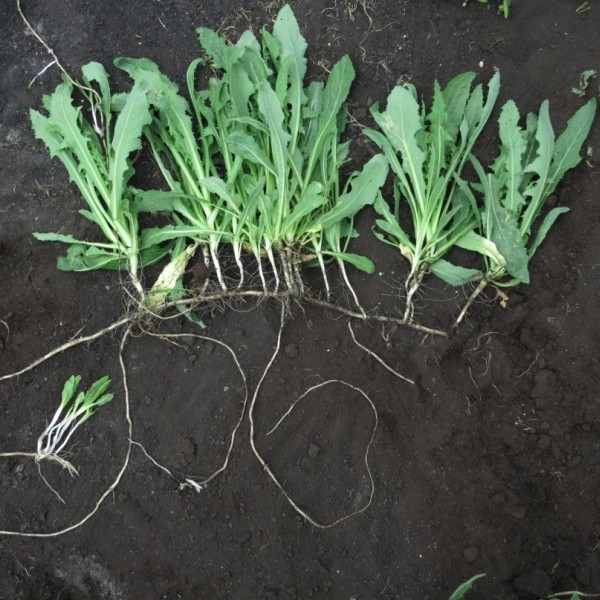
There's no rest for the weary when it comes to weeds. They can persist in colder weather, so try to pull as many as you can. And if you can’t get to them all, try to deadhead them and dispose of the seeds to prevent future growth. This handy weed ID tool can help you figure out what you have.
As the leaves continue falling, leave a space in your yard that can serve as a habitat for beneficial creatures such as moths, butterflies, ground-nesting bees, and spiders. This could mean leaving the leaves under native trees, such as oaks, or creating a brush pile where you can also put fallen branches or other pieces of wood. Here are some tips for leaving the leaves this fall, and learn more about important winter habitat protection.
Keep mowing the lawn as long as the grass keeps growing. Consider mulching your leaves back into your lawn to improve your yard's soil structure and protect against weeds.
If you haven’t done so yet, clean and sanitize your pots to prevent disease and pests from lingering to affect your spring plantings.
Give your tools some TLC, too. Clean, disinfect, sharpen, and store them in a dry location, so you’re ready for next year.
Put Up Some Protection
Add a fresh layer of mulch to flower beds and beneath trees and shrubs to protect against root injury and frost heaving.
Newly planted trees and shrubs need special attention. Given our recent drought conditions, consider late-season watering to bolster these already stressed plantings. Water consistently and thoroughly until the ground freezes to encourage root development and strengthen the trees and shrubs for winter.
Protect trees and shrubs against animal damage over the winter. Deer, mice, rabbits and voles can all damage your plantings, especially when food is scarce. Barriers such as fencing, tubes, wraps and wire cylinders can help.
Guard broad-leaf evergreens like rhododendron and azaleas and other evergreens against winter burn. Keep established and newly transplanted evergreens well watered until the ground freezes. Consider creating barriers with snow fencing, burlap, or canvas to protect these plants against winter winds and sun.
Houseplant Care
With our shorter days and furnaces running, be sure that your houseplants have enough light and moisture. Dial back on fertilizing for the winter, too.
Give your holiday cactus some love as we head toward Thanksgiving, Christmas and New Year's. They need a combination of light and dark, as well as cooler temperatures, to induce blooming.

Master Gardener Volunteer Column