- Gardening & Horticulture
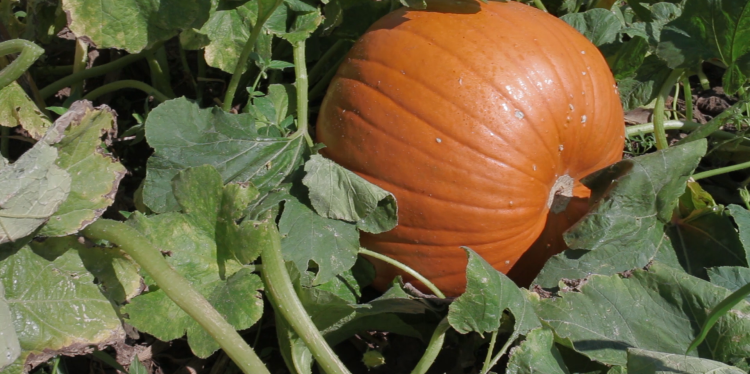
I was interested in learning more about Pumpkins recently because our Master Gardener group is preparing for a Pumpkin Palooza event, October 12, at Orleans County Cornell Cooperative Extension during the annual Lions Club Scarecrow Fest.
My Favorite Squash
When I saw an article on the website for UC Davis by Rosane Oliveira. I was surprised at how much I didn’t know about my favorite squash.
First of all, we typically consider pumpkins and other winter squash vegetables, but they are actually botanically classified as a fruit! Winter squash are in the family Cucurbitaceae (mouthful I know), which is the same family as cucumber and melons. Every single part of the pumpkin is edible: the skin, leaves, flowers, pulp, seeds and yes...stems.
Who First Carved a Pumpkin?
The Irish immigrants. In their homeland, they used to carve “Jack-O’-Lanterns” out of potatoes and turnips. The name “Jack-O’-lantern” stems from an Irish folk legend and we all have adopted the tradition of carving and lighting our plump squash lanterns.
If you would like to know more, there are plenty of cooperative extension links that provide growing tips, fun facts, nutritional info, and recipes.
Planting
Pumpkins are native to the America, and scientists believe they date as far back in time as 9000 years ago. You may have heard some of our Master Gardeners refer to the “Three Sisters Method" of planting. The Native Americans regarded the pumpkin and other squash as an important food staple and pumpkins would be planted as a companion to beans and corn. The method proves to be a productive arrangement for all three vegetables.
The corn serves as a trellis for the beans to climb on; beans have nitrogen fixing properties that add nourishment to the soil, and the pumpkin plants sheltered the corn’s shallow roots and prevented weeds from proliferating.
You might wonder what nutritional value these most often globe-shaped squash are. Pumpkins are high in potassium, vitamin A and beta-carotene, the powerful antioxidant that gives orange vegetables and fruits their color.
Resource/Report
4-H Camp Owahta Program and Cancellation Policies Summer 2026 Family Cancellations; All cancellations, transfers and credits must go through the 4-H Camp Owahta team. Families who wish to cancel their camp session must email owahta [at] cornell.edu...
- Camps