
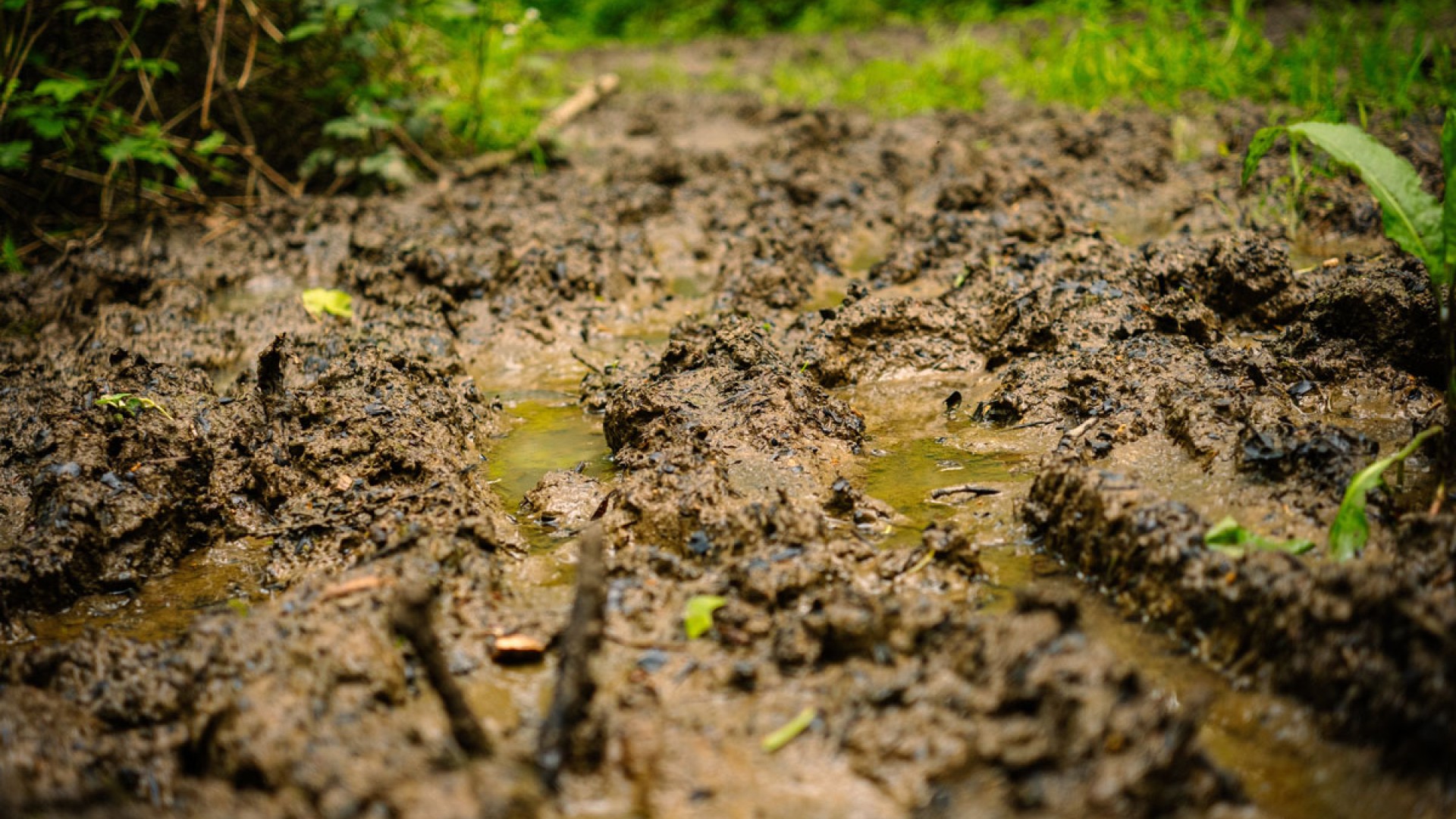

The wet and muddy days of early spring are the final hurdle to getting back into the garden.
Walking on and working in soggy soil will pack the soil particles tightly, making it hard for water, air and roots to get through. And once this compacted soil dries, it can become incredibly hard and tough to break through.
So, what’s a gardener to do? Here are a few ideas for biding your time:
Assess the wet spots in your yard: Mud season is the perfect time to see where you might need better drainage. Look for puddles that form in low spots, and check how well water drains near downspouts. If you have perennially wet spots, consider plants that tolerate wet soils or adding compost to the soil in that location to help improve soil structure and drainage. You may even want to add a rain garden that will hold water until it can be absorbed into the soil.
Follow the sun: The sunny days in between April showers are a great time to measure how much sun falls in your garden. Even though the trees haven’t leafed out completely, you can watch where their shadows fall. One easy way to do this is to use your phone’s camera to take pictures of a single spot every couple of hours on a sunny day. Then you can review the images and calculate how many hours of sun that part of your garden gets each day.
Treat yourself to some color: Many nurseries have colorful spring plants like pansies available to add to containers or keep indoors. They can brighten things up just enough to get us through until our spring-blooming bulbs come out.
Dig out your vases: Before we know it, the daffodils, tulips and even small flowers like violets will be blooming. Get your favorite vessels dusted, or clean out and repurpose that salad dressing bottle that’s been in the fridge too long. That way you’ll be ready for bouquets, no matter how big or small.
Start a nature journal: Spend some time in your yard and record what you see and what inspires you. Nature journals can be collections of writing or drawings, whatever you feel compelled to make note of. Not sure where to begin? Join Master Gardener Noelle Wiedemer on April 4 at 10 a.m. for Nature Journaling for Gardeners. Or just start writing down what you notice, what questions you have about it or even just what it reminds you of. Here are a few more prompts to get you going.
Add nesting boxes for birds: If you want to bring more birds to your yard and don’t have ideal nesting spots for them, consider building one. The Cornell Lab of Ornithology has detailed resources on the types of houses and nesting boxes different birds need, and their Right Bird, Right House tool includes building plans and tips for placement.
Embrace the muck and make a mud pie! If you’ve got a spot in your yard to play in the mud, bring out the kids — or just your inner child — and go for it. Gather a few ingredients like sticks and pine needles, and mix it all together in some pans you don’t mind getting really dirty. No recipes required!
Master Gardener Volunteer Column

We openly share valuable knowledge.
Sign up for more insights, discoveries and solutions.