
The Power of Service in Our Communities

In his landmark book "Bowling Alone," sociologist Robert Putnam painted a troubling picture of American civic life. While more people were bowling than ever before, participation in bowling leagues had collapsed. The metaphor captured something profound: we had become a society of individuals pursuing activities in isolation rather than building connections through shared experiences.
Putnam documented this pattern everywhere—declining participation in parent-teacher associations, labor unions, dinner parties, and neighborhood conversations. This erosion of "social capital"—the networks that bind communities together—wasn't just about loneliness. Communities with weaker social ties experienced higher crime, worse schools, and less effective governance.
When I decided to join the Master Gardener program, I came with a specific mission: I wanted to start a seed library for our community. I had been thinking about how something as simple as sharing seeds could create connections between neighbors, but I knew I needed more knowledge and the right institutional support to make it happen. The Master Gardener program did just that. It offered not just a chance to deepen my horticultural expertise but an opportunity to connect with an organization that values community service.
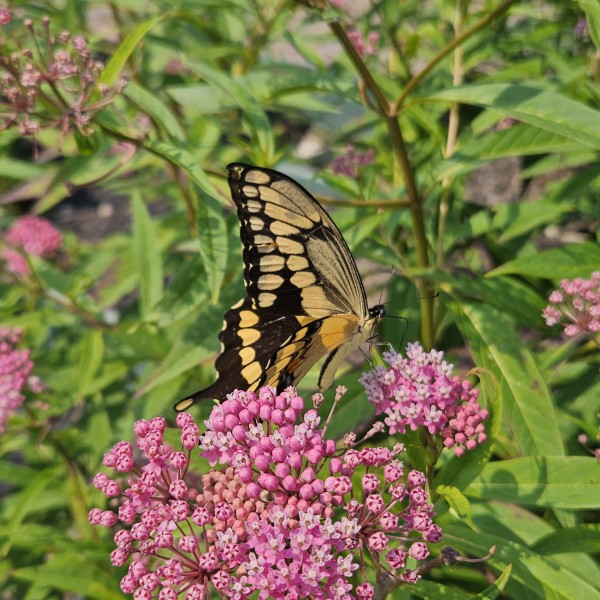
That vision became the Orleans Community Seed Share at the Orleans County Cornell Cooperative Extension office. What began as my idea for neighbors sharing seeds, quickly became something richer. The Seed Share created a gathering point where gardeners could exchange not only seeds but also stories, advice, and friendship. Suddenly, people who might never have met were connected by their shared love of growing things.
To support the Seed Share and help it reach more people, we developed the Seeds to Splendor Education Series. Teaching others about seed starting, plant care, and sustainable gardening practices became one of the most rewarding experiences of my life. Each class brought together people from different backgrounds, united by curiosity and a desire to nurture life from the soil up.
Witnessing those connections helped me realize that Putnam’s book wasn’t just a warning; it’s a call to action. We live in an era when it's easy to consume information about the forces dividing our communities—to read articles, watch documentaries, and engage in endless online discussions about what's wrong. But reading about division doesn't build connection. Endlessly lamenting the problems we face doesn't solve them either. We rebuild our social fabric one relationship, one shared project, one act of service at a time.
Community organizations offer us that opportunity. Whether it's a Master Gardener program, a library volunteer group, a faith community, or a neighborhood association, these institutions create the spaces where individual interests transform into collective action. They're where we move from bowling alone to growing together—literally and figuratively.
If you're looking for that kind of meaningful connection, I have a wonderful opportunity to share. The Orleans County Cornell Cooperative Extension is launching its 2026 Master Gardener Volunteer training program on February 5th, 2026. The program combines Thursday evening classes taught by our exceptional Horticultural Educator and fearless leader, Katie Oakes, with comprehensive online training modules and hands-on activities.
But this isn't just about learning to garden better. It's about joining a community of people committed to service—volunteers who staff plant sales, teach children about agriculture, maintain demonstration gardens, and yes, share seeds with neighbors. It's about becoming part of the solution to the isolation that Putnam so clearly identified.
The Master Gardeners at Orleans County Cornell Cooperative Extension are ready to welcome you to our group. You can sign up for the training program from October 1st through December 1st by contacting Katie at (585) 798-4265 ext 125 or email klo54 [at] cornell.edu (klo54[at]cornell[dot]edu) with your interest. We're living proof that the antidote to bowling alone is finding people who gather around something you care about, then using that shared passion to serve others.
In a world that often feels fractured, gardens teach us something essential: growth happens when we focus on creating the conditions that allow life to flourish. The same is true for communities. They thrive when people like us choose to show up, dig in, and do the patient work of cultivating connection.
The seeds are waiting. The community is ready. Will you join us?
Master Gardener Volunteer Column