

Gardening
Cornell Cooperative Extension of Jefferson County is your go-to resource for all things gardening! Whether you need guidance on soils, site improvement, plant selection and care, eco-friendly practices, integrated pest management, or composting, we’re here to help. Explore our free or low-cost gardening classes or share your passion for gardening by becoming a Master Gardener Volunteer. Get in touch to learn more!
Successful gardens start with planning and understanding your environment. Pay attention to soil conditions, local climate, and the timing of planting. Some plants thrive in cooler temperatures, while others need warmth to grow. By learning when and how to plant, you can make the most of your space and extend your growing season.
Before planting, prepare your soil, choose healthy plants or seeds suited to your region, and help young plants adjust gradually to outdoor conditions. With care and observation, your garden can flourish - from early spring through the first frost.
Explore a variety of gardening topics with Cornell's garden-based learning, browse the detailed vegetable growing guide, and discover the 2026 Vegetable Varieties List.
Understanding your soil is the first step toward healthy plants and productive gardens. Our office provides quick and affordable soil testing options. Soil samples are accepted at our reception desk from 8:30 AM to 4:00 PM Monday - Friday. Please call ahead for commercial crop soil analysis testing.
Soil Testing Types
A pH test measures the acidity or alkalinity of your soil. Most Jefferson County soils range from 6.5–7.4, and most plants grow best between 6.5–7.0.
- Cost: Free for up to 3 samples; $2 per additional sample
- How to test: Drop off your samples at our reception desk Monday - Friday 8:30 AM - 4:00 PM - we’ll call you with your results.
- If your pH levels are within normal range and you’re not having issues, no further testing is usually needed.
Recommended if your pH is outside the normal range or if you’re having garden, turf, or crop problems. Results include specific recommendations based on your soil type and crop needs.
- Cost: $15.00 - $18.00 for the sample cost plus $10.00 for shipping.
- Type: Home & Garden, Turf, Commercial Fruit & Vegetables, Agronomic Samples
- You will receive a soil analysis report via mail or email in about 2 weeks. Specific recommendations will be listed on the report based on your soil and the crop you are growing.
How to Take a Soil Sample
Using a hand spade and a small container, take 5 to 6 random samples from the planting area. Dig down to a depth of about 8 inches. Mix all of the samples together and bring in two cups of the mixture. If the sample is wet, it should be left out to dry overnight. Place the sample in a zip-lock bag, or a glass or plastic container. Do not use metal containers. For agronomic sampling, contact our office.
About Composting
Composting is the natural process of recycling organic materials like food scraps and yard waste, into a nutrient-rich soil amendment. It helps improve soil health, reduce waste, and return valuable nutrients back to the earth. There are many ways to compost, from backyard bins to indoor systems, so you can choose a method that fits your space and operations.
Supporting Pollinators in our Backyard & Gardens
A landscape made up simply of mowed lawn and a couple of trees won't provide the food and shelter that native bees and butterflies need to thrive and reproduce. By making your landscape more complex, you can turn your yard and garden into a welcoming habitat that will benefit our native pollinators, and reward you many times over!
New York is home to over 450 native bee species, along with honeybees and other important pollinators like butterflies, beetles, birds, and bats. These species play a vital role in supporting our crops and wild plants.
Your backyard can make a difference. By choosing pollinator-friendly plants, providing shelter, and avoiding harmful chemicals, you can help create safe and healthy habitats that support pollinator diversity and abundance. Learn about the Pollinator Network at Cornell.
Creating a Bee-Friendly Backyard in 4 Simple Steps:
Most of our native bee species are solitary and do not live in hives. Instead they nest in dead wood and in the soil. Create structural refuge with things like brush piles, wood piles, and areas of exposed, undisturbed soil. That doesn’t fit in with your landscape aesthetic, you say? Then follow step two!
If a brush pile sounds messy, instead create a decorative wattle fence of bent twigs. Wood pile out of place in your landscape? Add a rustic arbor or bench made of natural, untreated wood. Even a split rail fence can harbor these solitary bees. The key is to create structures that persist through the season and to vary the types of structure so many different species are attracted to the garden.
Many flowers provide nectar. But not all of our tiny solitary pollinators can handle the big flowers. Vary the sizes and types of flowers you plant. Plants in the mint family (both native and introduced) and plants in the “carrot” family, like dill and golden alexanders, have many small flowers that produce lots of nectar. They are attractive to look at and great for solitary bees and other beneficial insects. (See the websites in the sidebar for more plant ideas.) When you purchase plants that flower, be sure to ask if those plants have been pre-treated with a pesticide.
We understand that pesticides can sometimes be necessary in a managed landscape. However, many—including insecticides, herbicides, and fungicides—can be harmful to bees and other pollinators. Always use pesticides carefully and avoid spraying flowering plants, since pollinators are drawn to blooms. If treatment is required, use low-residual products and apply them when bees are least active, such as early morning or late evening.
Choose the least toxic option and time applications based on the pest’s lifecycle to reduce unnecessary exposure. Be especially cautious with systemic or long-lasting products, as they can remain active in plants for extended periods. When possible, remove blooms during treatment to prevent pollinators from being exposed to contaminated nectar or pollen.
Invasive species are non-native plants and animals that spread rapidly causing ecological and economic harm. Common examples are the emerald ash borer, Norway maple, and Asian clam. Invasive species are usually spread by humans. Once established, they become increasingly difficult to manage. Early detection of invasives is key to containment and practical management. For more information on New York invasive species, visit NYIS Clearinghouse.
Nuisance species may be native or non-native and may cause ecological and economic harm. Common examples are poison ivy and Canadian geese.
The Master Gardener Program
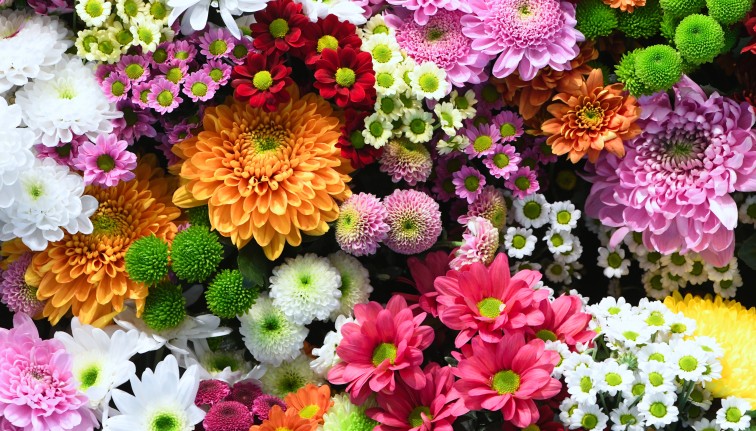
The Master Gardener Program is a nationwide network of trained volunteers who partner with their local Cooperative Extension offices to share research-based gardening knowledge within their communities. Since 1993, Jefferson County Master Gardener Volunteers have supported local projects, led classes and workshops, maintained demonstration gardens, and offered resources like soil testing. With more than 40 active volunteers, this popular program continues to grow and inspire gardeners across the county.
Learn More About the Master Gardener Program
Master Gardeners enjoy people and plants. They usually have no professional gardening or landscaping experience, only a genuine interest in sharing their knowledge, and sufficient free time to volunteer in Master Gardener activities.
Master Gardener trainees should have a basic knowledge of, or interest in, gardening; enthusiasm for acquiring and sharing horticultural knowledge and skills; good communications skills; and a willingness and free time to participate in volunteer educational activities.
Volunteers complete a brief written application, and have a short interview with members of our horticulture staff. Priority for selection is given to Jefferson County residents.
Master Gardener training is held every two to three years. Trainees receive training on a broad spectrum of subjects applicable to home gardening, such as plant nutrition, soils, vegetable and fruit culture, trees, shrubs and lawns, diseases and insects that affect plants, pruning, and much more. Advanced instruction is offered, and special seminars and refresher workshops are held so that Master Gardeners can stay current on gardening topics and keep their knowledge up-to-date.
Please call for information on when the next Master Gardener volunteer training will be offered, and to receive an application form.
Each Master Gardener trainee commits to "give back" an additional 50 hours of service over a one year time period following certification for a total of 120 hours altogether (training + volunteer time). After that, you can be as involved with the program as you would like to be. Some Master Gardeners have volunteered for many years and enjoy the satisfaction of helping their local communities and the camaraderie of fellow gardeners, monthly meetings, holiday gatherings, and group field trips to visit beautiful and unique gardens in our region that also are part of the program.
To fulfill their volunteer time commitment, Master Gardeners maintain gardens at our Extension office, New York State Zoo at Thompson Park, and the Jefferson County Historical Society. They also give gardening talks, advise community members, and write gardening articles. New program initiatives also are welcomed!
If you are interested in becoming a Jefferson County Master Gardener, please reach out to Cierra Williams, Horticulture & Natural Resources Educator
Phone: 315-788-8450 ext. 222
Email: clw247 [at] cornell.edu
Community & School Gardens
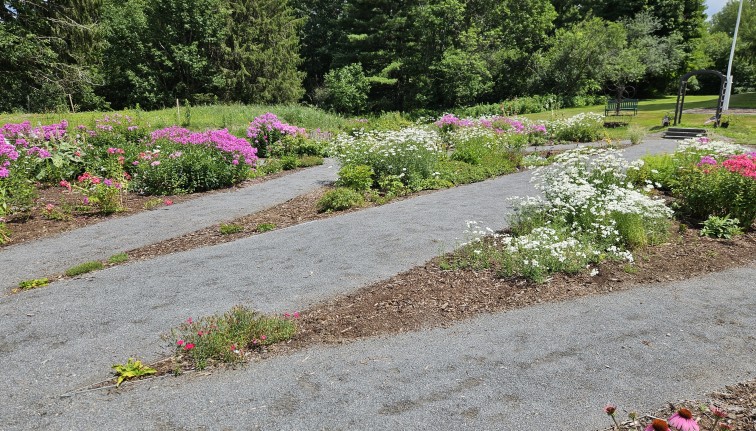
Community gardens are shared spaces where people come together to grow flowers, vegetables, herbs, and other plants. They can be found in urban, suburban, and rural communities and may include one shared garden or multiple individual plots. Community gardens can be part of neighborhoods, schools, hospitals, and other community spaces, and may also support local food production and urban agriculture.
Learn More About Community Gardens
Community gardens can strengthen communities in many ways. They provide opportunities for people to grow nutritious food, get active, spend time outdoors, and connect with others. They can beautify neighborhoods, preserve green space, and promote environmental stewardship while creating opportunities for learning, recreation, and hands-on experiences for youth. Community gardens can also bring people of different ages and backgrounds together, encourage self-reliance, support local food access, and contribute to stronger, healthier communities.
There are many ways to start a community garden. Whether you're working with friends, neighbors, or a local organization, there are a lot of considerations. Reach out to Cierra Williams, Horticulture and Natural Resources Educator for more information by phone 315-788-8450 ext. 222 or by email clw247 [at] cornell.edu
Visit the American Community Garden Association website for more information.