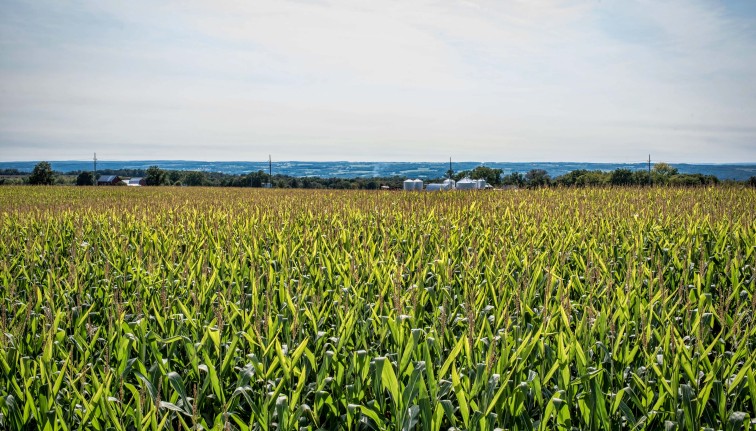
Dairy & Livestock
Large or small, we're here to help. Our Dairy & Livestock Program supports everything from full-scale dairy operations to backyard flocks, offering research-based management practices tailored to your farm.
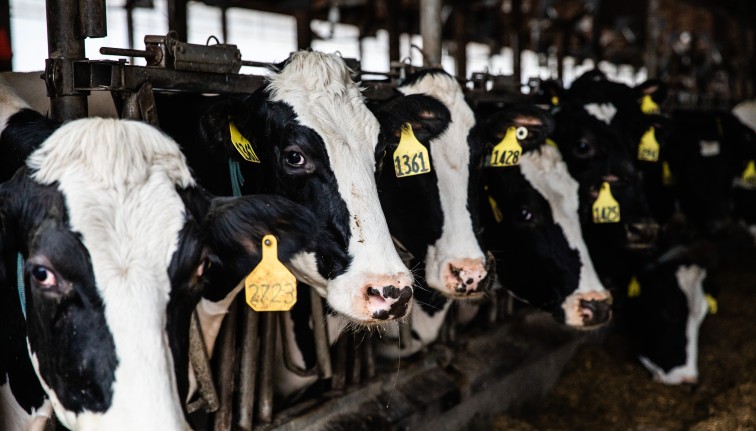
Credit: Allison Usavage
On-Farm Support
Hands-On Assistance
We can visit your farm to troubleshoot and problem-solve.
Research-Based Solutions
Apply practical best practices suited to your operation.
Custom Protocols
Develop farm-specific protocols, available in English and Spanish.
Educational Programs
Virtual and In-Person Trainings
Flexible learning at your farm or our office.
Workshops for All Levels
Beginner and advanced sessions to meet your skills and goals.
Contact
Abbey Birchenough
Dairy & Livestock Specialist
aej48 [at] cornell.edu (aej48[at]cornell[dot]edu)
315-788-8450 ext. 278
Frans Vokey
Dairy Specialist - Tri-County Ag Team
fjv2 [at] cornell.edu (fjv2[at]cornell[dot]edu)
315-376-5279
Agroforestry
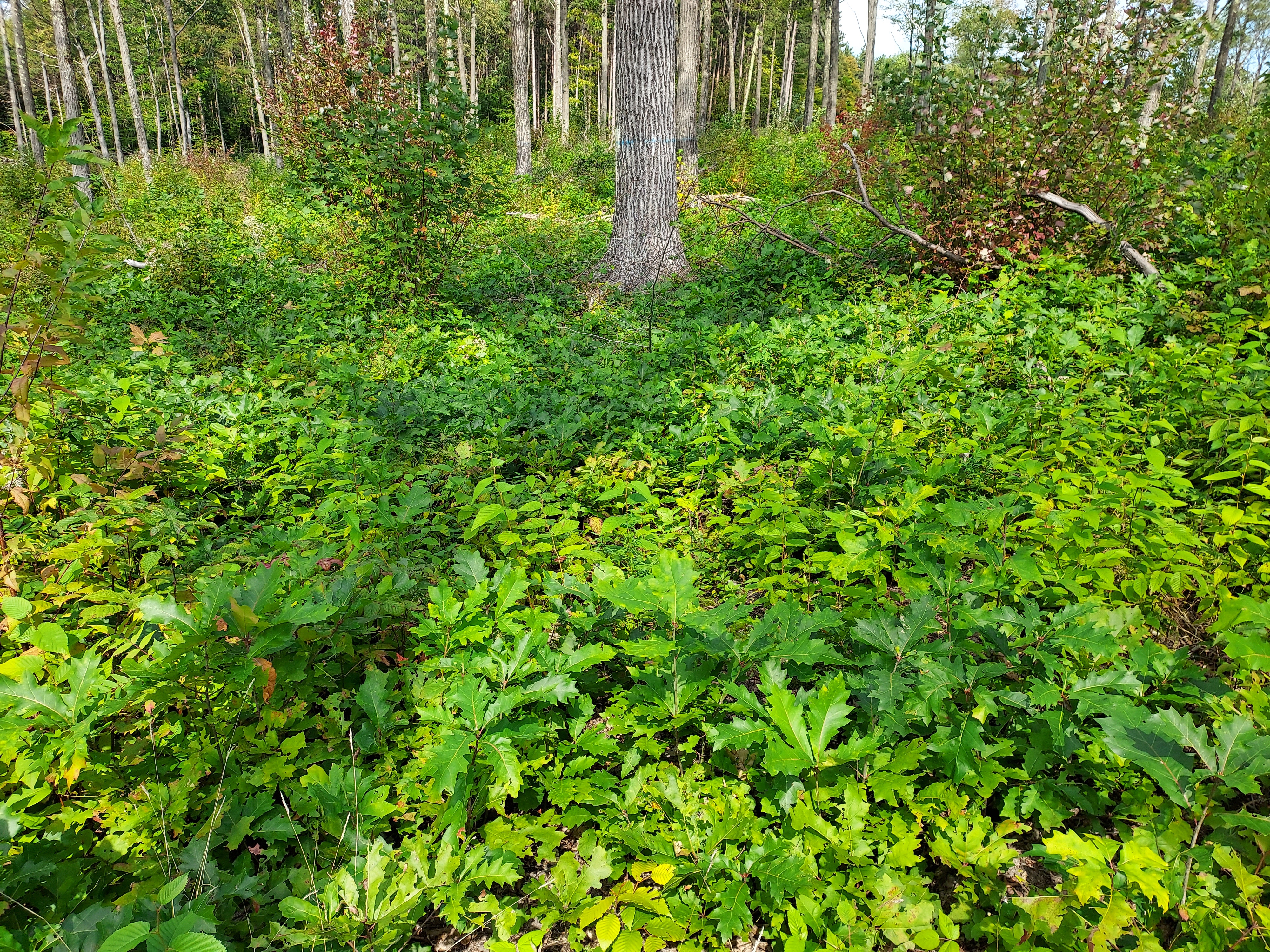
The Extension system supports agroforestry across New York State by providing education and technical guidance on integrating trees and shrubs with crops and livestock to improve farm viability, environmental stewardship, and land resilience. Through workshops, field demonstrations, and one-on-one assistance, Extension educators help farmers and landowners explore practices such as forest management, conservation plantings, diversified cropping systems, and sustainable land use.
CCE Jefferson County offers locally relevant services that may include agricultural and natural resource education, referrals to regional and statewide agroforestry and forestry specialists, support for soil and land stewardship practices, and outreach programs that promote sustainable agriculture and community engagement.
Contact
Isaac Matlock
Ag & Natural Resources Program Manager
ism29 [at] cornell.edu (ism29[at]cornell[dot]edu)
315-788-8450 ext. 227
Beekeeping
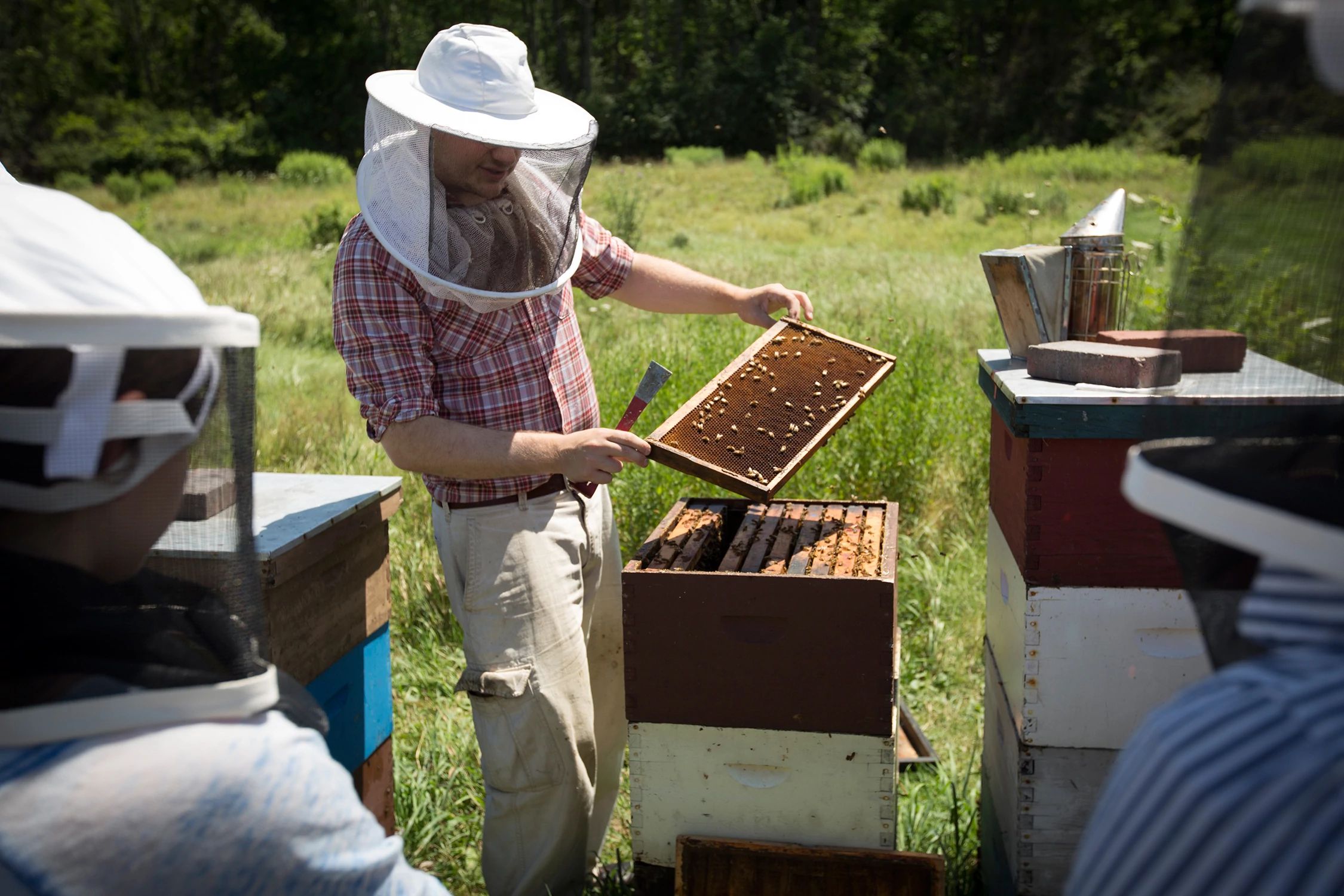
Through research-based education and hands-on outreach, CCE supports beekeeping and honey production by delivering information on honey bee biology, hive management, pollinator health, and best practices for maintaining productive and healthy colonies. This work is often coordinated with Cornell University’s broader Pollinator Network and Master Beekeeping programs, which are designed to improve beekeeper skills and pollinator populations statewide.
Our office provides beginner beekeeping courses covering honey bee biology, equipment needs, seasonal hive management, and colony health, as well as free community beekeeper forums led by local experts and other educational events that support both novice and experienced beekeepers in the North Country.
Contact
Taylor Rollins
Ag & Workforce Development Educator
tar234 [at] cornell.edu (tar234[at]cornell[dot]edu)
315-788-8450 ext. 224
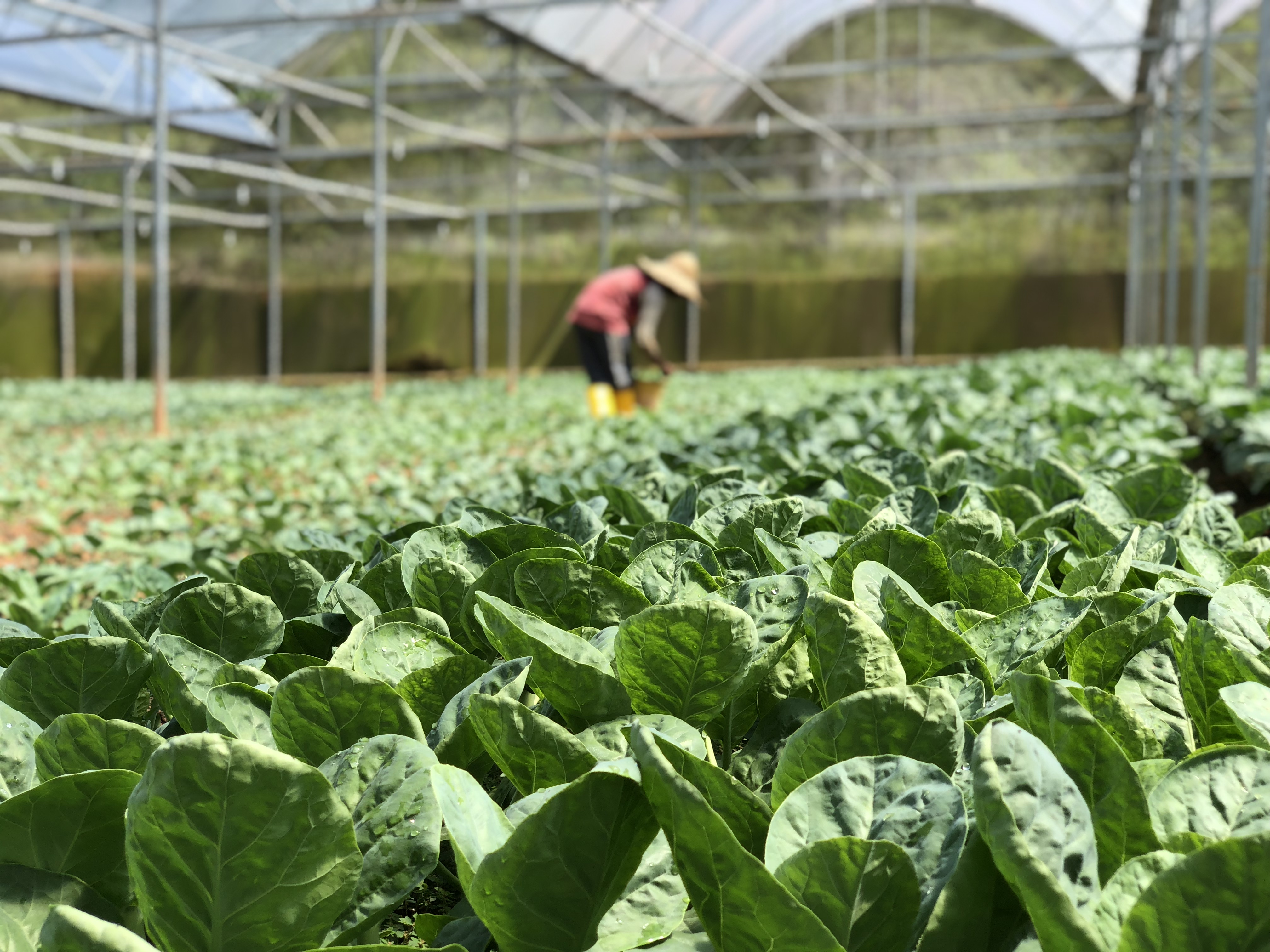
Commercial Horticulture
The commercial horticulture program links green-industry professionals with Cornell University faculty and regional specialists.
CCE Jefferson's educators bring you up to date research-based information and offer programs where professionals can earn continuing education credits. We'll help you navigate your way to professional certification programs like the NYS DEC pesticide certification program or the International Society of Arboriculture (ISA) certification.
Contact
Cierra Williams
Horticulture & Natural Resources Educator
clw247 [at] cornell.edu (clw247[at]cornell[dot]edu)
315-788-8450 ext. 222
Beginning & Small Farms
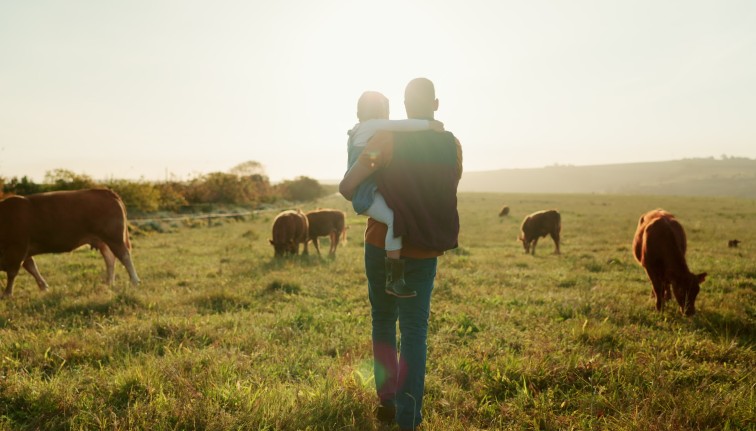
Cornell Cooperative Extension works with beginning farmers as well as established farm businesses.
We reference many of the planning materials on the Cornell Small Farms Program, which features planning tutorials, the Guide to Farming in NY, a guide to Livestock Processing Regulations, and videos full of practical farmer-to-farmer advice and production tutorials. The website also has the schedule for Cornell’s on-line beginning farmer classes.
Consulting
Our team members are also available to consult one-on-one with prospective farmers, reviewing business plans, “vetting” ideas for soundness, and directing you to more in-depth resources as needed.
Practical Experience
We live and work in the North Country of NY, so we have practical experience and advice to offer for both production and for marketing plans.
Contact
Noelle Porras
Food Systems Marketing Specialist
nnp33 [at] cornell.edu (nnp33[at]cornell[dot]edu)
315-788-8450 ext. 243
Farm Business Management
Running a farm is rewarding, but managing a successful agricultural business involves much more than growing and selling products.
Program
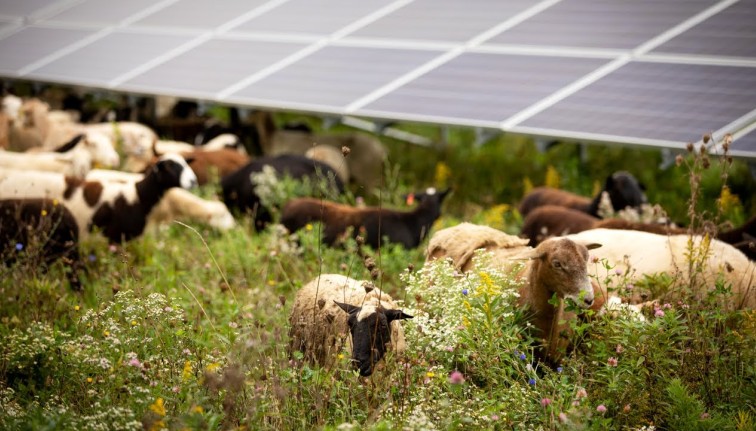
Our Farm Business Management Program provides research-based tools and guidance to help you build a competitive, profitable operation.
Support
With our extension staff and Cornell resources, like the Dairy Business Summary and Dairy Profit Monitor (ProDairy), you can benchmark your farm, improve profitability, and strengthen your financial position.
We offer assistance in strategic planning, budgeting, cash flow management, bookkeeping, marketing, succession planning, and more, empowering you to set goals and make informed decisions.
Contact
Contact us for one-on-one support or attend our year-round workshops to take your farm business to the next level.
Collin Hostetter
Farm Business Management Specialist - Tri-County Ag Team
tar234 [at] cornell.edu (cjh354[at]cornell[dot]edu)
315-379-9192 ext. 427
Soil & Field Crops
The Field Crops Program provides research-based field crop production recommendations and resources. Assistance is accessible through educational programs, fact sheets, bulletins, articles, websites and individual contacts through on-farm visits to meet the needs of the producers.
The field crop program is also very active with on farm agronomic research and demonstration projects. The goal is to improve crop production efficiency through increased yields, improved quality, decreased input costs, protected yields and new technologies.
Contact
Eric Antrim
Crop & Soil Specialist - Tri-County Ag Team
esa63 [at] cornell.edu (esa63[at]cornell[dot]edu)
315-788-8450 ext. 242