Agriculture

CCE Cortland County offers one-on-one consultations, programs, and contact with experts from Cornell University, neighboring CCE Offices, CCE Volunteers, and Cortland County Agriculture Agencies. 

Whether you have a large farm, small garden, or want to start one, the CCE Cortland County Agriculture Staff is happy to help you get the answers to be successful with your agricultural endeavors.

Buy local!

Cortland Harvest Logo

Look for the Cortland Harvest label!

Cortland Harvest is the new brand highlighting locally grown and produced food and agriculture products here in Cortland County. A collaboration between Seven Valleys Health Coalition, local producers and farmers, Cornell Cooperative Extension of Cortland County, and Cortland Area Chamber of Commerce, has led to this new identification, allowing residents to easily identify when they’re purchasing a locally made product. 

  • Buying Cortland Harvest labeled products supports farms, local jobs and local economies. Agriculture supports more than 250,00 jobs across the state and is integral to rural communities like Cortland County.
  • Cortland Harvest makes it easy to identify products that are grown and made right here.
  • Cortland has a rich history of supporting entrepreneurs and farmers – Cortland Harvest celebrates that history and acknowledges the importance of these businesses.
  • One-of-a-kind businesses are an integral part of the distinct character of our county – they are what distinguishes Cortland County from other rural areas.
  • Farms and businesses are owned by neighbors, friends, or family members who are invested in building their base here. Cortland Harvest celebrates the pride we have for these producers who support a strong tax base, support strong schools and emergency services.
  • Cortland Harvest also helps recognize the unique businesses and farms we have here in the county. With a variety of businesses and farms attracting diverse employees, they are helping to build a strong community. 


For more information, contact: 

Abigail Thomas
Agriculture Educator
agt54 [at] cornell.edu
 

South-Central NY Agriculture Program

Cornell Cooperative Extension’s South-Central NY Agriculture Program serves farmers and rural landowners in Chemung, Cortland, Tioga, Tompkins and Schuyler Counties in New York State.
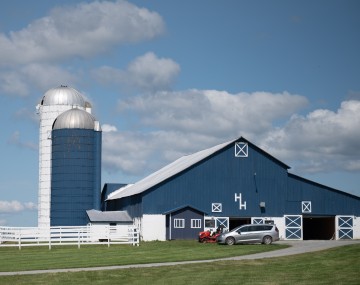
A blue farm building
We work with farm businesses to:

☑️ Improve enterprise viability
☑️ Explore opportunities for new business development
☑️ Support local markets
☑️ Diversify farm enterprises
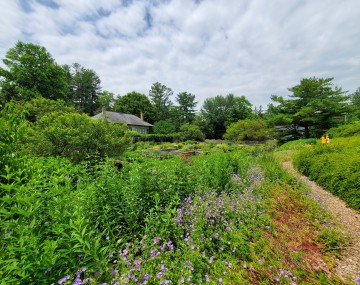
a farm trail
We support adoption of sustainable farming practices to:

☑️ Produce high-quality agricultural products
☑️ Practice proper animal husbandry
☑️ Decrease pest damage
☑️ Improve post-harvest food quality
☑️ Ensure food safety
☑️ Protect the environment
☑️ Conserve energy and natural resources
☑️ Improve farm profitability
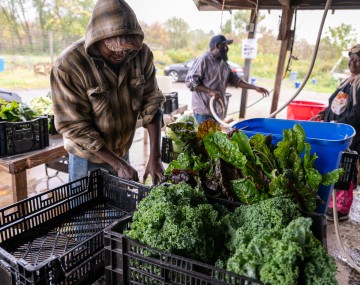
farmers pack vegetables
We work directly with farmers on:

☑️ Educational conferences, workshops, meetings, tours and classes
☑️ Facilitating farmer-to-farmer communication
☑️ Research-based publications and fact sheets
☑️ Newsletters, meeting notices, and timely updates
☑️ Personal consulting via phone, email, and in person
☑️ Soil testing and diagnostic services

Master Gardener Volunteers

The Master Gardener Program is a national program of trained volunteers who work in partnership with their county Cooperative Extension office to expand educational outreach throughout the community by providing home gardeners with research-based information.

The first Master Gardener program was started in Washington state in 1972. Forty-six states now have Master Gardener programs. 

Frequently Asked Questions about the Master Gardner Program

Master Gardeners enjoy people and plants. They usually have no professional gardening or landscaping experience, only a genuine interest in sharing their knowledge, and sufficient free time to volunteer in Master Gardener activities.

Master Gardener trainees should have a basic knowledge of, or interest in, gardening; enthusiasm for acquiring and sharing horticultural knowledge and skills; good communications skills; and a willingness and free time to participate in volunteer educational activities.

Volunteers complete a brief written application, and have a short interview with members of our horticulture staff. Priority for selection is given to Cortland County residents.

Master Gardener training in Cortland county is held every 3-4 years. Trainees receive 60 hours of  instruction from experts at Cornell Cooperative Extension and elsewhere on a broad spectrum of subjects applicable to home gardening, such as plant nutrition, soils, vegetable and fruit culture, trees, shrubs and lawns, diseases and insects that affect plants, pruning, and much more. After  each training session, trainees complete an open book examination and at the completion, are certified as Master Gardeners. Advanced instruction is offered, and special seminars and refresher workshops are held so that Master Gardeners can stay current on gardening topics and keep their knowledge up-to-date.

Please call for information on when the next Master Gardener volunteer training will be offered, and to receive an application form.

Each Master Gardener trainee commits to "give back" an additional 30 or 45 hours of service over a one year time period following certification for a total of 90 hours altogether (training + volunteer time). After that, you can be as involved with the program as you would like to be. Some Master Gardeners have volunteered for many years and enjoy the camaraderie of fellow gardeners, monthly meetings, holiday gatherings, and group field trips to visit beautiful and unique gardens in our region that also are part of the program.

To fulfill their volunteer time commitment, Master Gardeners have maintained files of gardening information, answered gardening questions through our office, taught gardening classes, worked the 4-H and MGV Plant Sales, spoken or demonstrated to groups, and worked in demonstration/education gardens. New program initiatives also are welcomed!

The Cortland County Master Gardeners are involved in many activities. Here are some of them:

  • Testing soil samples brought into the Cooperative Extension office
  • Maintaining Cooperative Extension gardening information files
  • Answering gardening questions phoned or e-mailed into the Cooperative Extension office
  • Teaching horticulture workshops to youth and adults
  • Organizing and working the 4-H and MGV Plant Sale
  • Writing articles for publications
  • Designing and maintaining educational and demonstration gardens
Benefits of the Master Gardener Program

Through the Master Gardener training sessions and workshops, you'll become a more knowledgeable gardener. You will receive publications, seeds and other related material. You will be able to attend regular Master Gardener workshops around the state as well as state and national Master Gardener conferences. You will travel with other Master Gardeners to interesting gardens and nurseries. And finally, you will meet lots of people who share your love of gardening.

Benefits to the Community

As a Master Gardener volunteer, you are expected to share the knowledge you gained in the training sessions with other gardeners in the community. You can do this by participating in a variety of ways. Every time you answer a gardening question from a friend, you extend the knowledge you have gained. The Cooperative Extension Horticulture Program offers many volunteer opportunities, or volunteers can design their own projects to benefit the community. Volunteer hours are flexible depending on interest and time available. Travel expenses are tax-deductible.

Learn more and get involved

Contact:
Abigail Thomas
Agriculture Educator
agt54@cornell.edu