• Agriculture
  • Vegetables
Excerpts from a presentation given at the 2025 Seneca Produce Auction Annual Growers Meeting, January 3, 2025

Three Categories of Cover Crops

"As we discuss cover crops today, it helps to consider three major categories based on the constraints of space and time. In the case of time, we are thinking about seeding date and termination date of the cover crop, which is of course bound by the harvestable crops on either end of the duration of the cover crop. I see three major slots for cover crops on a produce farm:

  1. Winter-between two main season crops
  2. Warm season-covering bare soil before or after a vegetable crop
  3. Between plasticulture rows, or “living mulch”

Today, I’ll focus on the first two time/space slots. 

Why do you want to use cover crops?

Next, we like to think of our objectives, purpose or goals of a given cover crop. These could include:

  • Weed control
  • Compaction remediation
  • Increase organic matter
  • Tilth
  • Nutrient fixation or scavenging
  • Management of crop disease
  • ….and more!

Four Categories of Cover Crops

Given the time slots available to us and the different objectives we are trying to achieve, we can evaluate different cover crop species. I find it simplest to divide our cover crop species into four major categories. These are:

Grains/Grasses

  • Winter Grains (Rye, Triticale, Barley)
  • Sorghum Sudan
  • Oats
  • Rye Grass

Legumes

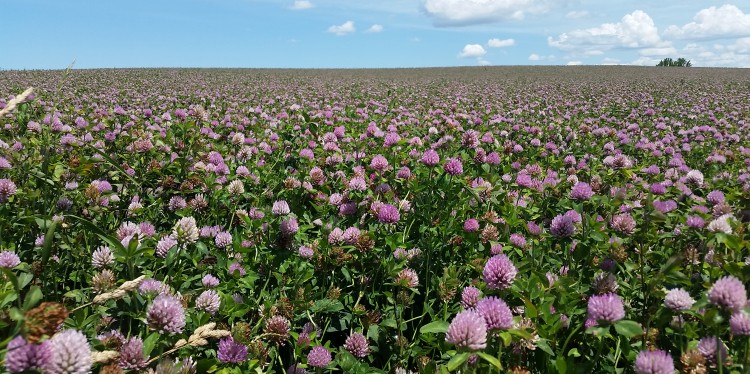
  • Clovers
  • Vetch
  • Peas
  • Alfalfa
  • Soybeans

Brassicas

  • Radishes
  • Turnips

Other

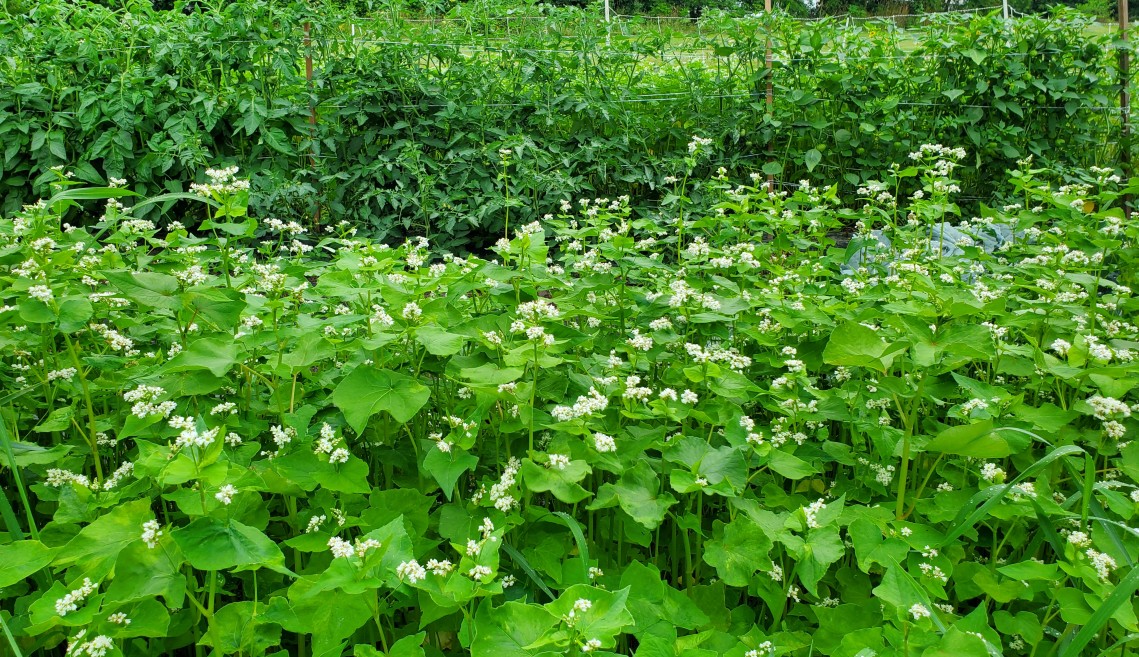
  • Buckwheat
  • Crotalaria
  • Sunflower 

Each category provides different benefits. For example, grains are excellent at scavenging nitrogen. Legumes fix atmospheric nitrogen into the soil. Brassicas can help reduce compaction or plow layers, and finally buckwheat is excellent for weed control. 
Cover Crop Mixes

Combining cover crop species in a commercial, or homemade mix, may provide additional benefits. My theory is that as light, moisture and temperature change every day; a mix of species can take advantage of the change, as each species grows and senesces. In our high tunnel research, we found increased nitrogen AND potassium in a tomato crop that followed a multi-species mix when compared to a single species grain cover crop. 

Choosing a Cover Crop Based on Planting Date

As much as we’d like to choose species based on our goals, the planting date of the cover crop ultimately limits our options. For example, a sweet corn grower who harvests an early crop in July has an abundance of options such as sorghum-sudangrass, buckwheat, crotalaria; almost anything! Compare this situation to a Brussels sprout grower who finishes harvest in mid-October; the only options left at this late date are winter hardy grains.

I encourage growers to think about when produce crops will be harvested and have multiple cover crop species on hand, just as we would with other crop inputs. This facilitates quick establishment, essential for a full canopy and ground cover.

Notes of Caution

Cover crops do require management and can cause some problems. For example, grass cover crops that are spring plowed, may attract seed maggots. Brassica cover crops may perpetuate certain diseases. A grain crop that becomes too stemmy in the spring can limit available nitrogen to transplants.

---

So plan ahead, consider how cover crops can help you meet your goals, have the right species on hand, and equipment to manage it.”