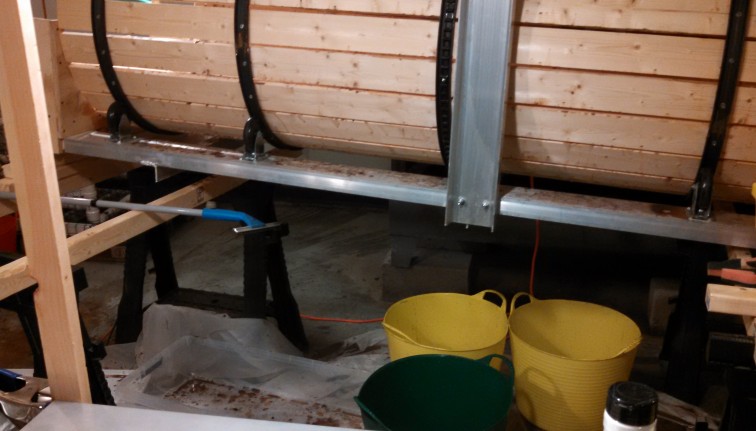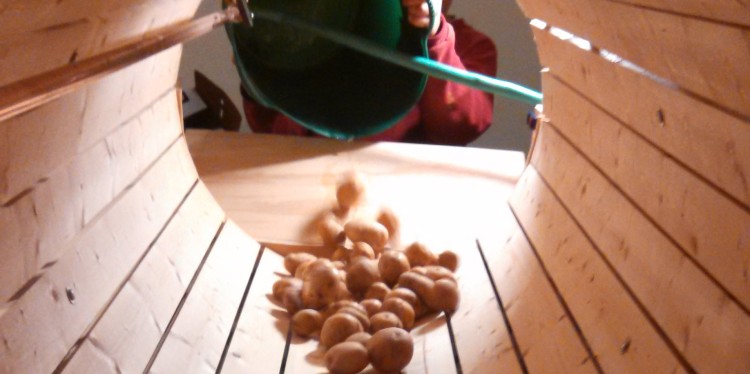

Months of research was conducted on a root barrel washer to determine the best way to clean the equipment given that it was not designed to be easily taken apart and cleaned. Hard-to-reach places were identified through the tracking of vegetable matter and debris dispersed within the barrel washer during use. An acceptable level of cleanliness completed in a reasonable amount of time was identified. The equipment cleanliness was based on visual criteria only; further investigation of the microbial level is still required. To the best of our efforts, areas of critical cleaning are identified in this checklist as well as all other sections necessary to clean.
Cleaning challenges with a root barrel washer:
- it is made of soft wood
- the barrel spins around so the debris that is on the bottom quickly goes to the top which can drop down on vegetables
- there are many small spaces for debris to get lodged in while the barrel is in operation
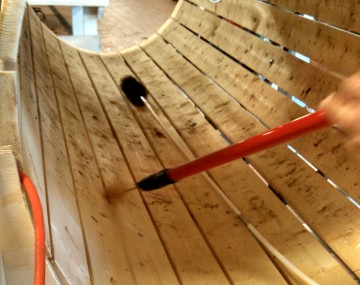
- reaching into the barrel requires long handled tools
Because of the wooden construction, scrubbing is essential to remove soil and debris. Rinsing after each day’s use is essential for keeping soil and debris from drying and caking onto the surface and into cracks etc.
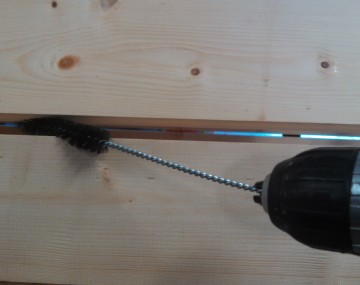
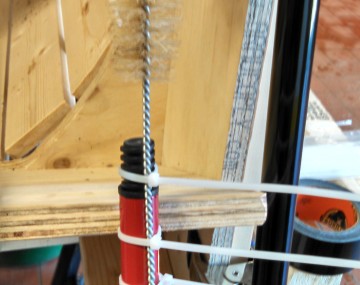
Checklists by Area
Motor Area
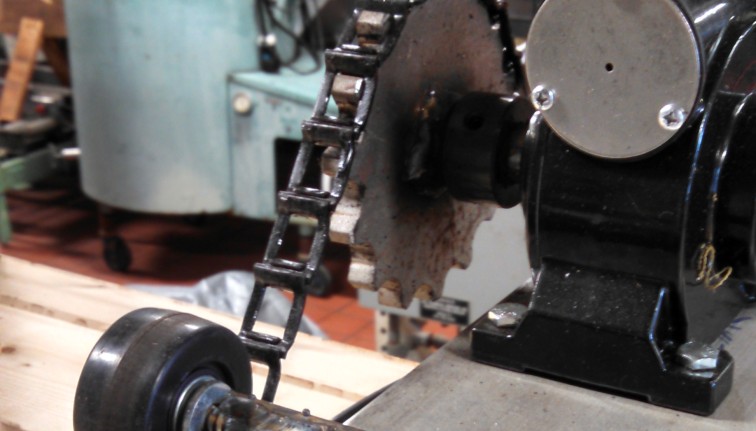
- Motor drive
- Drive sprocket
- Drive chain
- Chain channel
- Chain channel screw heads
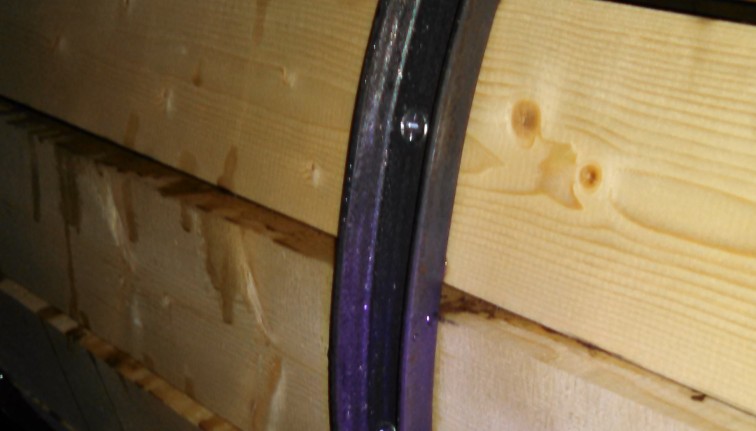
Bands*
- Screw holes*
- Screw heads*
- Space under bands*
- Wheels and brackets (both sides)*
* critical cleaning point
Frame Area
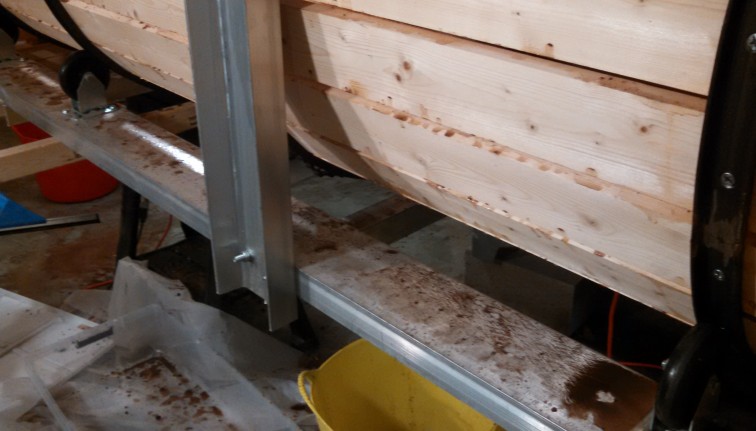
- Area that make up the frame where uprights meets cross beam
- Cross bars and rough welds*
- External bolts
- Support pipe/open ends*
- U-bolts – threads and spaces
- Water pipe threads/cap
- Water pipe channel-bolts
- Around valve
- Hose fitting
- Barrel channels*
* critical cleaning point
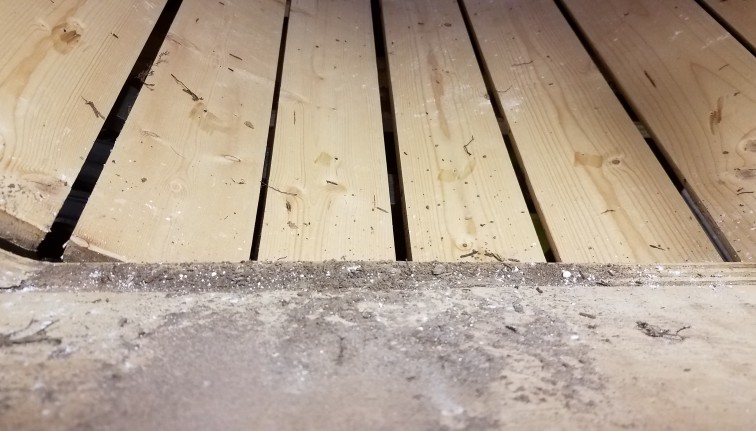
Feed Chute*
- Screw holes*
- Feed chute lumber configuration*
- Spaces between boards*
- Corners*
- End grains*
- 2x4 supports
- Wood on underside
* critical cleaning point
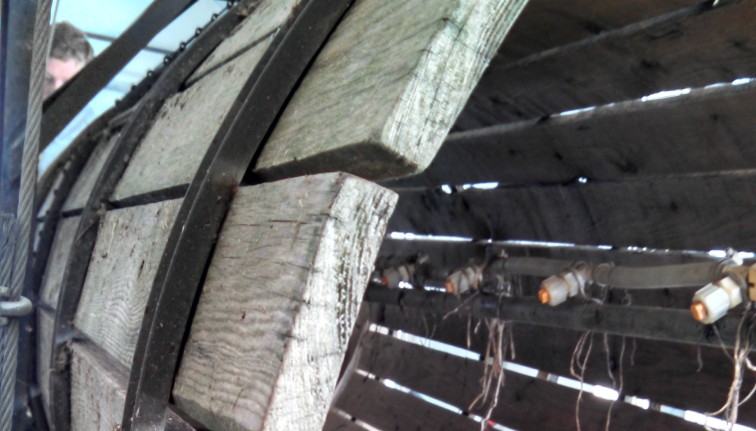
Interior*
- Carriage bolt heads from chain drive bolts*
- Stave screw points sticking through stave from exterior side*
- Board cracks*
- Spaces between staves*
- Water pipe*
* critical cleaning point
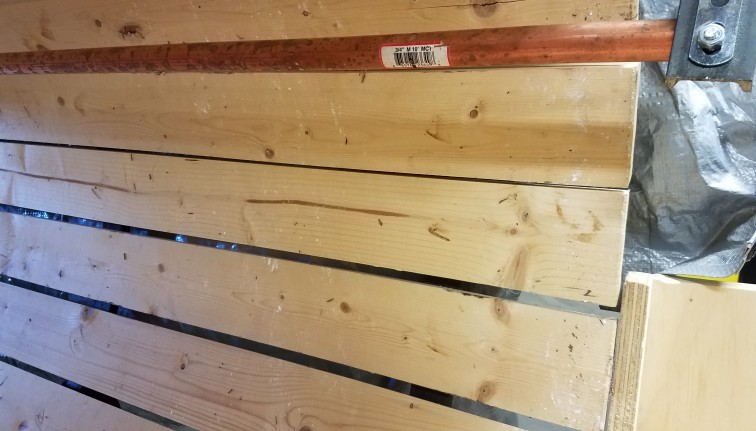
Exterior Staves*
- Cracks, checks, knots, splits*
- Stave end grain*
- Stave screw heads*
* critical cleaning point
Support Structure and Floor Area
- Sawhorses
- Cross boards
- Floor and surrounding area