
Share

As gardeners, our hands are our most important tools, and we often put them in dicey situations. We use our hands in and around soil, where pathogens like bacteria and fungi live. We reach into thorny bushes and through poison ivy, and we use sharp tools and maybe even pesticides or other chemicals.
No matter what we’re doing in the garden, protecting our hands is essential, and wearing gloves is the simplest way to do that.
No matter what we’re doing in the garden, protecting our hands is essential, and wearing gloves is the simplest way to do that.
Choosing the Right Gloves
Gloves come in a variety of materials to suit different tasks, and it’s important to choose the right gloves for the best protection. Here are some examples:
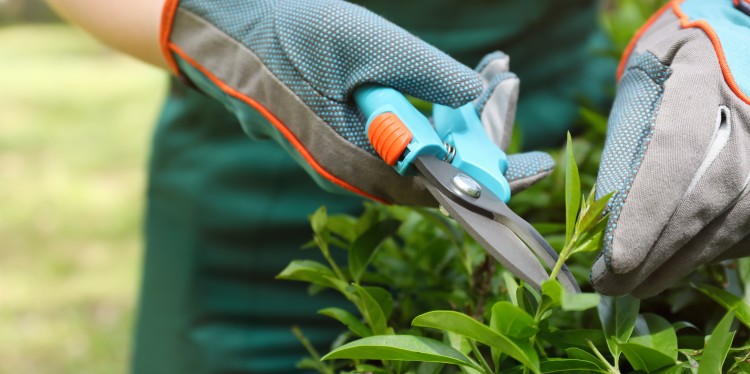
- Fabric or coated fabric gloves: These are great for weeding and other light gardening jobs. Special coatings can help improve grippiness, while offering some puncture resistance. However, fabric gloves will absorb liquids, so do not use them when handling pesticides or other chemicals.
- Leather gloves: These are excellent all-purpose gloves that will protect against cuts, splinters and abrasions. They’re especially recommended for construction work and pruning.
- Chemical-resistant gloves: These gloves are usually made from neoprene, rubber, vinyl, nitrile, or latex. If you’re planning to handle pesticides or other chemicals, be sure to read the label closely to ensure you have the appropriate protection.
Learn more about choosing the right gloves with these tips from Ohio State University Extension and the University of Arkansas.
Finding the Best Fit
- Be sure to try the gloves on both hands. Make a fist, and try picking up small items, like you might in the garden, to test your dexterity.
- The gloves should be snug, but not so tight that they pinch or interfere with your movement. Gloves that are too large will make gripping difficult and may allow dirt to get inside.
Proper Care
- Once you find your perfect gloves, you want to use them for as long as possible through the season.
- Keep in mind, though, that you may not want to re-use all of your gloves. If you have used them to handle pesticides, for example, you may want to consider disposing of them. Be sure to read the instructions and any warnings on the pesticide labels. If the gloves are damaged in any way, toss them.
- Gloves for weeding, pruning, planting and similar tasks can be used repeatedly, as long as they’re in good shape. Before each use, look them over for any tears or punctures. After every use, brush them clean of dirt and debris, and wash them with mild soap and water (use saddle soap for leather gloves). Hang them to dry.
- Cleaning will not only help extend the life of your gloves, but it will also help prevent the spread of disease in your garden.
Hand Hygiene
- Even if you wear gloves in the garden, you should still wash your hands after you’ve finished, especially if you have handled pesticides or other chemicals. You want to make sure you remove any soil or other contaminants that could have gotten into your gloves.
- Use warm water and enough soap to get a good lather. Scrub with a nail brush to help clean under and around your fingernails. Rinse thoroughly and dry with a clean towel.