
Share

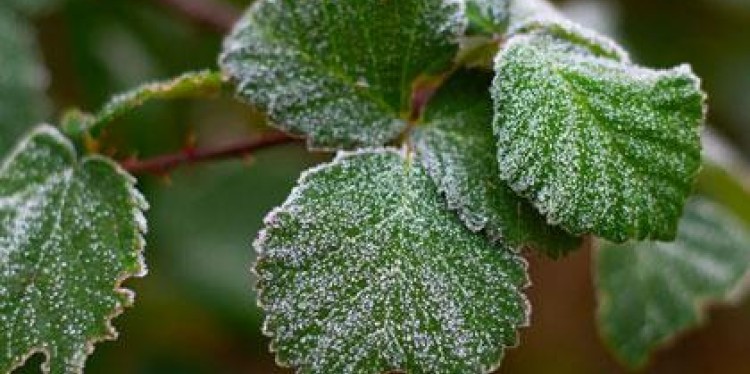
As November 1 approaches, signaling the possible first frost, it's time to prepare your garden for winter. Thoughtful preparation will protect your plants, preserve beneficial pollinators, and set you up for a thriving garden next season.
Step 1 - Draing and Winterize Water Systems
- Now is the perfect time to winterize your irrigation setup. Drain hoses, hose bibs, and any containers holding water to prevent freezing damage. Clean and sanitize your pots so they’re ready for spring planting.
- These steps will help avoid costly repairs and give you peace of mind.
Step 2 - Strategic Garden Clean-Up
- While a tidy garden may seem ideal, leaving parts of it undisturbed benefits insects and overwintering pollinators like native bees, which shelter in hollow stems and plant debris. Don’t cut back perennials too aggressively, and leave mulched leaves on garden beds and lawns to insulate the soil and provide habitat for beneficial insects. Remove diseased plant material, but it’s okay to let your garden be a little messy—it’s good for wildlife!
- Review an article from PennState Extension: Delay Garden Cleanup to Benefit Overwintering Insects
Step 3 - Protect Vulnerable Plants
- Winter elements such as snow, wind, and animal browsing can damage delicate plants. Apply a 2-4 inch layer of mulch around young trees, shrubs, and perennials to protect their roots. Penn State Extension also recommends using row covers, lightweight fabric, or wooden frames for extra shielding.
- Protecting these plants now will help them thrive come spring.
Step 4 - Maintain Your Tools
- Before storing your tools for the winter, give them a good cleaning, sharpening, and oiling to prevent rust and extend their lifespan. Organize tool storage to save time and money later. Plus it will make your spring gardening tasks easier and more efficient.
Step 5 - Journal Your Gardening Journey
- While you prepare for winter, take some time to update or create a gardening journal. Sketch a map of your garden, noting which plants thrived and which struggled. Keep records of successful plant combinations, insect sightings, and lessons learned. This documentation will be invaluable when planning next season’s garden.
- By preparing your garden now, you’ll protect your plants, support beneficial insects, and set yourself up for success in the spring.