

Lifelong Learning
Gardening is a journey of lifelong learning, where every season brings new challenges, discoveries, and opportunities to grow alongside our plants. Fall, in particular, offers us a perfect time to reflect on what we've learned this growing season and prepare thoughtfully for the next.
When Garden Challenges Arise
No matter how much we learn, gardens have a way of surprising us. That's when the science-based resources offered by the Cornell Cooperative Extension become invaluable. Online databases, research-backed books, and continuing education classes provide the foundation for understanding what's happening in our gardens. And if you get stumped, don't hesitate to reach out to our Master Gardeners for help.
Sometimes, a little problem-solving is just what we need to put all that quality knowledge to good use. Master Gardener programs exist precisely to connect gardeners with reliable information and support. However, remember that you know your garden best. Take all advice, even from experts, with a grain of salt and adapt it to your unique conditions.
Refreshing Your Fall Garden
Take an honest look at your garden right now. What isn't working? That struggling hydrangea in the wrong spot doesn't have to stay there forever. Fall is an excellent time for transplanting, provided you get them to their new home at least 6 weeks before the ground freezes, allowing them time to establish roots before winter dormancy.
On the flip side, what's working too well? That overgrown perennial clump or the shrub that's outgrown its space? Fall is prime time for dividing perennials and pruning woody plants. These tasks not only keep your garden looking its best but often provide you with new plants to expand your garden or share with friends.
Preparing for Next Year
While it's tempting to view fall as the end of the gardening season, it's also the beginning of next year's garden.
Fall is ideal for planting perennials, both herbaceous varieties and woody shrubs and trees. These plants have months to develop strong root systems before facing next summer's heat, allowing them to establish themselves while focusing energy on root development rather than supporting leaves and flowers.
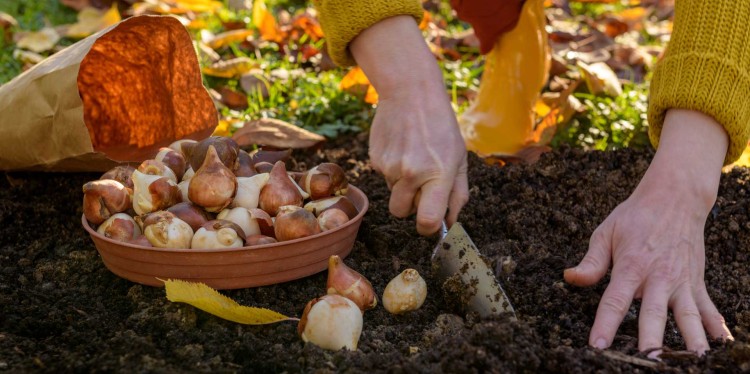
Fall is also the perfect time for planting wildflower seeds and spring bulbs. Wildflower seeds benefit from the natural cold stratification that winter provides, while spring bulbs planted now will reward you with early-season color when you need it most.
Don't forget seeds from this year's best performers—properly saved and stored, they carry forward the genetics of plants that thrived in your specific conditions.
The Beauty of Not Knowing Everything
What I've come to appreciate most about gardening is that there's always something new to learn. Weather patterns shift, new pests appear, plant breeding creates exciting varieties, and research reveals better practices. The garden keeps us humble and curious.
This uncertainty isn't a flaw in gardening—it's a feature. Every growing season teaches us something new about our soil, our climate, and our plants. Every challenge we overcome makes us more resourceful problem-solvers. Every success achieved through experimentation builds our confidence to try again.
As you tackle your fall garden tasks, embrace the questions as much as you celebrate the answers. Notice what worked this year and what didn't. Make notes for next season. Try something new, even if you're not sure it will work.
Remember, gardening isn't about achieving perfection—it's about engaging in a lifelong conversation with the natural world, one season at a time.
Starting Your Journey
Our next training program runs from February 5 through May 7, 2026. Email klo54 [at] cornell.edu (klo54[at]cornell[dot]edu) for more details about this comprehensive program that will deepen your gardening knowledge and connect you with a community of fellow garden enthusiasts.
News
As Fall sets in across the North Country, the growing season is coming to an end. Gardens are being cleared, farmers are bringing in the last crops of the season, and local markets are filled with the colors and flavors of fall. For many people...
Master Gardener Volunteer Column