

In the 1930s, W. Ray Hastings, president of the Southern Seedsman’s Association based in Atlanta, proposed a cooperative endeavor to test and evaluate varieties. The mission statement set the goal: "To promote new garden varieties with superior garden performance judged in impartial trials in North America." Hastings' proposal to the growers met with rapid implementation as it was seen as a way to better demonstrate a cultivar’s performance.
Growers provided new, never-before-sold seed varieties, identified only by code, to be grown over a full season. Skilled, impartial judges assessed the plants and compared the information to established norms for each variety. Testing measured earliness, taste, disease resistance, and uniqueness of the new plant. In 1933-34, the program announced over 30 AAS winners, and home gardeners, farmers, florists, and garden magazines found a reliable source of comparative information about new varieties as they were offered to the public.
“Tested nationally and proven locally."
Today, All-America Selections is an independent non-profit organization managed by the National Garden Bureau. Its goal continues to meet the original tagline: “Tested nationally and proven locally.” Over time, the awards have been modified. The special designation of AAS Gold Medal winner signifies a plant that is seen as a breakthrough. This is awarded only once or twice within a decade.
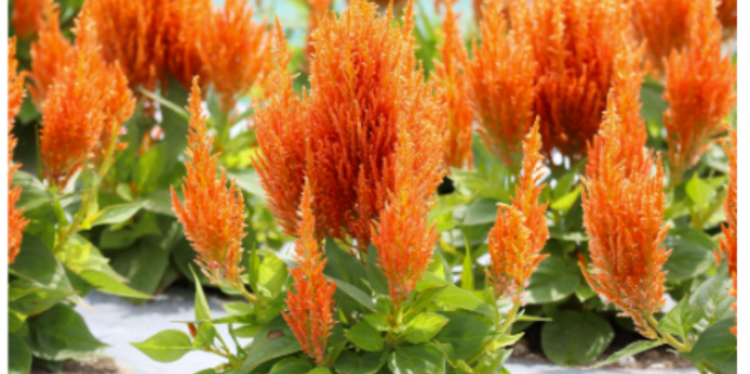
Sugar Snap peas, Profusion zinnias, and Celosia Look-Fresh are among the winners. The standard AAS designation is awarded to those plants that display a significant breeding achievement across the many gardens of North America. These are announced in November, January, and July. If a plant performs exceptionally well in a specific area, but is not as well suited across North America, it may be designated a Regional Winner.
AAS Display Garden
In 1962, the first AAS Display Garden was created by Norseco Inc. of Quebec, Canada. This allowed the general public a chance to view new offerings as they were being evaluated. Today, more than 200 gardens across North America participate in the program, and over 55 of them have been in the program for more than 25 years. Within New York state, test plots are part of Cornell Botanic Gardens in Tompkins County, Parker F. Scripture Botanical Gardens in Oneida County, Cutler Botanic Garden in Broome County, Cornell Cooperative Extension of Schoharie & Otsego Counties, Clark Botanical Gardens in Nassau County, and Queens Botanical Garden. Check their websites for open houses or field days for more specific information about their programs.
You may also check out each year’s selections in video profiles on the AAS YouTube channel.
As spring slowly approaches, we can continue planning and dreaming of summer’s glory, maybe including a spot for an AAS winner in your plans. Hastings had hoped to create a way to compare and share the many new developments in the plant field, and the program has given consumers another helpful tool in making their selections.
Master Gardener Volunteer Column