Fact Sheet

    Protecting Important Documents & Building an Emergency Kit

    Emergencies like floods, winter storms, and power outages can happen suddenly across New York State. Protecting your essential documents and keeping a well-supplied emergency kit ensures you and your family can respond quickly, access financial and medical support, and recover more easily after a disaster. 

    This fact sheet summarizes best-practice guidance from FEMA, CDC, NFIP/Ready.gov, the Consumer Financial Protection Bureau (CFPB), and other trusted sources.
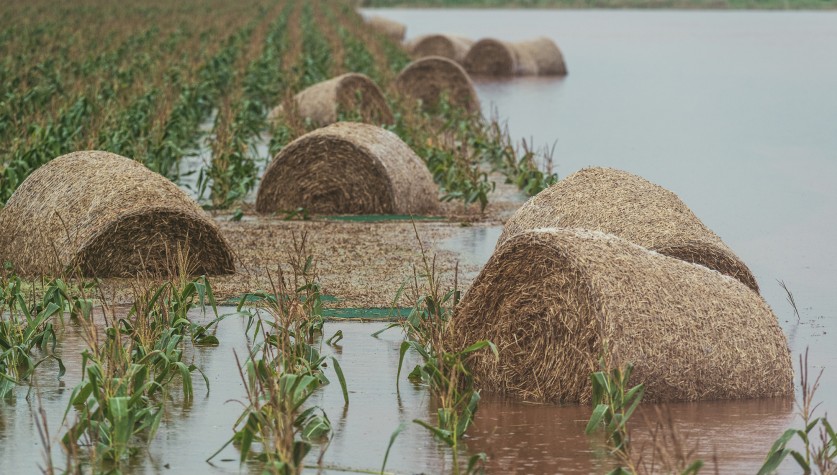
    Protect Essential Documents in Waterproof Containers

    Storing critical documents safely—preferably in waterproof, fire-resistant containers—helps prevent loss and makes recovery much easier.

    Checklist of Important Documents

    • Birth certificates
    • Passport(s)
    • Social Security cards / numbers
    • Driver’s licenses or state IDs
    • Insurance policies (homeowners, renters, flood, auto, health, life)
    • Property deed(s), mortgage documents, or rental/lease agreements
    • Loan documents and credit account numbers
    • Bank account information and routing numbers
    • Tax returns (1–3 years)
    • Utility account numbers and service provider information
    • Medical records, prescription details, immunization records
    • Wills, powers of attorney, and advance directives
    • Employment records
    • Titles and registration documents for vehicles
    • Pet vaccination & ownership records
    • Emergency contact list
    • Password lists stored securely (password manager recommended)
    • Home inventory (photos or videos of valuables)

    Helpful Tips

    • Store physical copies in a waterproof container or safe-deposit box.
    • Save digital copies in encrypted cloud storage or a secure USB drive.
    • Update annually or after major life events.

    Build an Emergency Kit

    An emergency kit should sustain household members for at least 3 days (preferably 7). Kits should be portable and stored in a consistent location known to all family members.

    Basic Emergency Supplies

    • Water: 1 gallon per person per day (drinking + sanitation)
    • Food: Non-perishable, easy-to-prepare items (3–7 day supply)
    • Medications: Prescription and over-the-counter items
    • Flashlights and extra batteries
    • First aid kit
    • Battery-powered or hand-crank radio
    • Multi-tool
    • Hand sanitizer and hygiene supplies
    • Cell-phone chargers / power banks
    • Cash in small bills (ATMs may be unavailable during outages)
    • Extra clothing, sturdy shoes, blankets
    • Copies of important documents (see checklist above)

    For Infants & Children

    • Formula and bottles
    • Diapers and wipes
    • Comfort items (toys, blanket)

    For Pets

    • Food and water for 3–7 days
    • Leash, carrier, and waste bags
    • Medications and vaccination records
    • Photo of you with your pet

    If You Drive

    Keep a car emergency kit with:

    • Blanket, gloves, hat
    • Sand/kitty litter for traction
    • Jumper cables
    • First aid kit
    • Water and non-perishable snacks
    • Flashlight

    Helpful Tips

    • Rotate food and medications in your emergency kit every 6 months.
    • Keep emergency kits in both your home and vehicle.
    • Review your flood, homeowners, and renters insurance annually.
    • Create a family communication plan with meeting points.

    Water Safety Guidance

    Make Water Safe During Emergencies

    When water service is disrupted or contamination is suspected after floods, power outages, or pipe breaks, your tap water may be unsafe for drinking, cooking, brushing teeth, making ice, or washing dishes. Use one of the following methods to make water safe.

    Boiling (Preferred Method)

    Boiling kills bacteria, viruses, and parasites.

    How to do it:

    1. Bring water to a rolling boil (large bubbles constantly rising to the surface).
    2. Keep it boiling for 1 full minute.
    3. If you are above 6,500 feet elevation, boil for 3 minutes.
    4. Allow water to cool naturally and store in clean, covered containers.

    When to use:

    • Anytime local authorities issue a Boil Water Advisory
    • When water is cloudy, discolored, or has an odor
    • After flooding or power outages affecting treatment facilities

    Disinfection with Bleach (If Boiling Is Not Possible)

    Household bleach can kill most harmful organisms when used correctly.

    Use only plain, unscented bleach with 5–9% sodium hypochlorite.

    How to disinfect:

    1. For clear water: Add 8 drops (⅛ teaspoon) of bleach per 1 gallon of water.
    2. For cloudy water: Add 16 drops (¼ teaspoon) per gallon.
    3. Stir well and let the water stand for 30 minutes.
    4. Water should have a slight chlorine smell. If it doesn’t, repeat the dose and wait 15 minutes more.

    Do NOT use:

    • Bleach with fragrances
    • Color-safe bleach
    • Non-chlorine bleach powders or splash-less bleach

    Filtration (Must Be Combined With Boiling or Bleach)

    Filters alone do not reliably remove viruses or all pathogens.

    If you use a filter:

    • Choose an NSF-certified filter (NSF Standards 42, 53, 58, 401, or P231 depending on contaminant concerns).
    • Use boiling or bleach after filtration to ensure safety.

    Specialized emergency filters:

    • Some portable survival filters (P231-rated) can remove viruses, but you must check the model’s certification.

    Safe Storage of Treated Water

    • Use clean, sanitized containers with tight lids.
    • Do not touch the inside of lids or containers.
    • Label containers with the date; use within 24 hours if not refrigerated.
    • Keep stored water away from direct sunlight and chemicals.

    When in Doubt, Throw It Out

    If water has:

    • A chemical or fuel smell
    • Visible debris or sediment
    • Contacted floodwater containing sewage or industrial waste
    • It cannot be made safe. Use bottled water instead.
    1. Ready.gov – Build a Kit (FEMA) https://www.ready.gov/kit
    2. Ready.gov – Floods (FEMA) https://www.ready.gov/floods
    3. FloodSmart.gov – Flood Insurance (NFIP) https://www.floodsmart.gov/
    4. CDC – Food and Water Safety During Emergencies https://www.cdc.gov/foodsafety/emergencies
    5. CDC – Emergency Water Supply Preparation
      https://www.cdc.gov/healthywater/emergency
    6. CFPB – Tips to Get Prepared Before a Disaster or Emergency https://www.consumerfinance.gov/consumer-tools/disasters-and-emergencies/get-prepared-before-disaster-emergency-strikes/
    7. National Weather Service – Flood Safety “Turn Around Don’t Drown®” https://www.weather.gov/safety/flood-turn-around-dont-drown
    8. University of Minnesota Extension – Family Financial Toolkit https://extension.umn.edu/family-resiliency/family-financial-toolkit