- Field Crops
2. Weather Update
3. Pest Monitoring
4. Growing Degree Days
1. Field Observations
- Small Grains - A follow-up to last week's concerns surrounding stripe rust, considering we're getting a lot of wind and a lot of rain at the moment. Here is a recent article from Field Crop Pathologist Camilo Parada-Rojas and some management guidelines from the Crop Protection Network. Resistant varieties should be the first line of defense, but click the links for fungicide recommendations if you're growing conventionally. Cereal Leaf Beetle has been reported in high numbers in western NY, so their season for causing damage has arrived.
- Corn and Soy - The last acres are being planted, so field operations are all over the board. Earlier plantings of soybeans are beginning to perk up, and corn is off to the races.
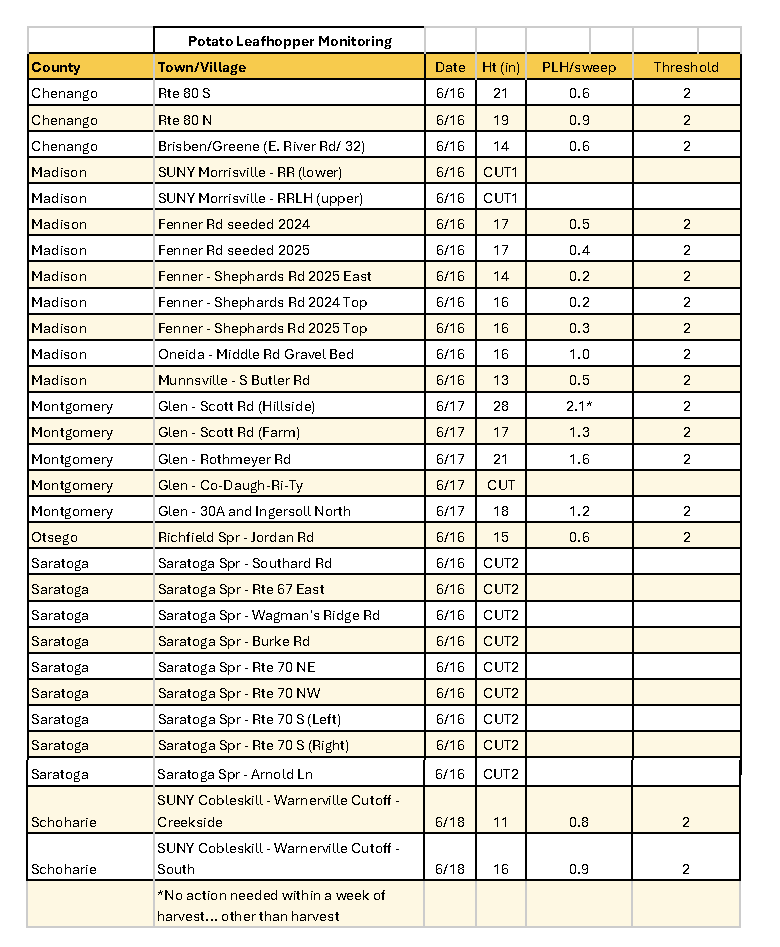
- Forages - First cuttings of all sorts should be wrapping up, and I've seen several alfalfa fields, especially in Saratoga County, where 2nd cutting alfalfa was taken this week. Potato leafhoppers are here (see Section 3 for numbers), but so far the numbers are low. But as we get into 3rd cutting growth, keep an eye on the nymphs.
2. Weather Update
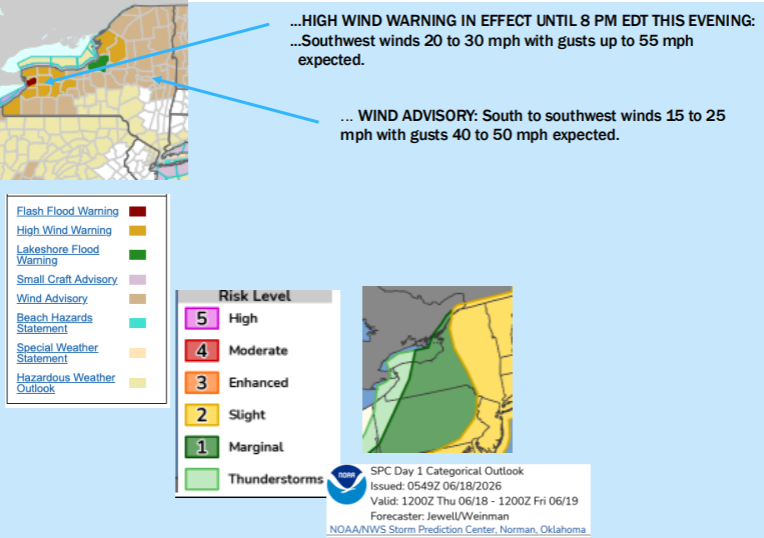
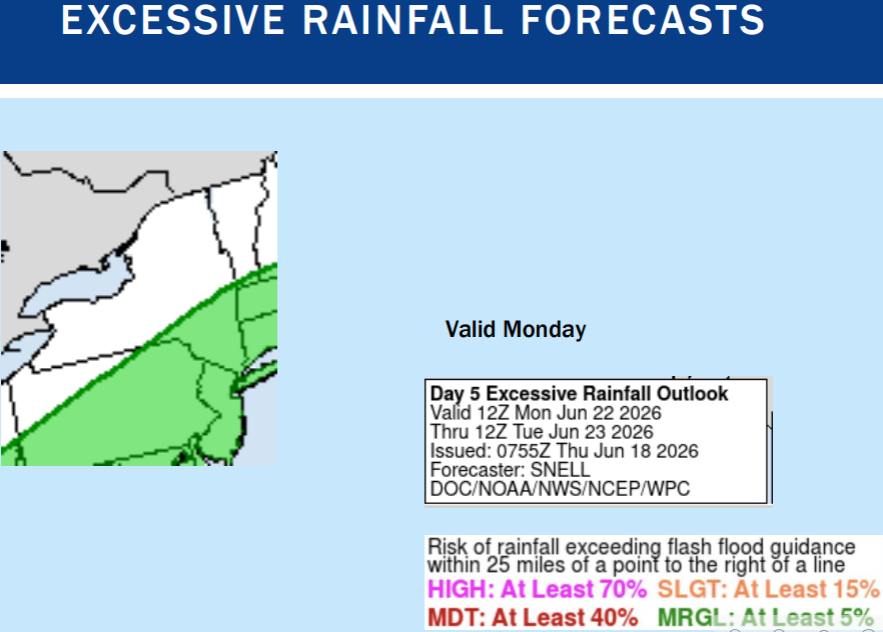
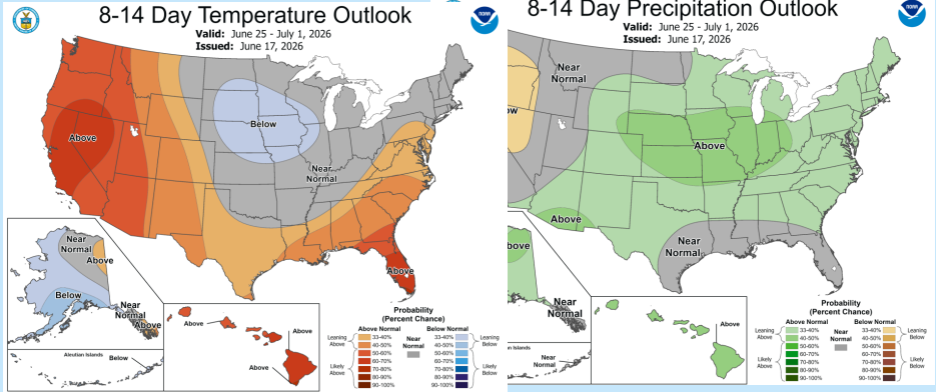
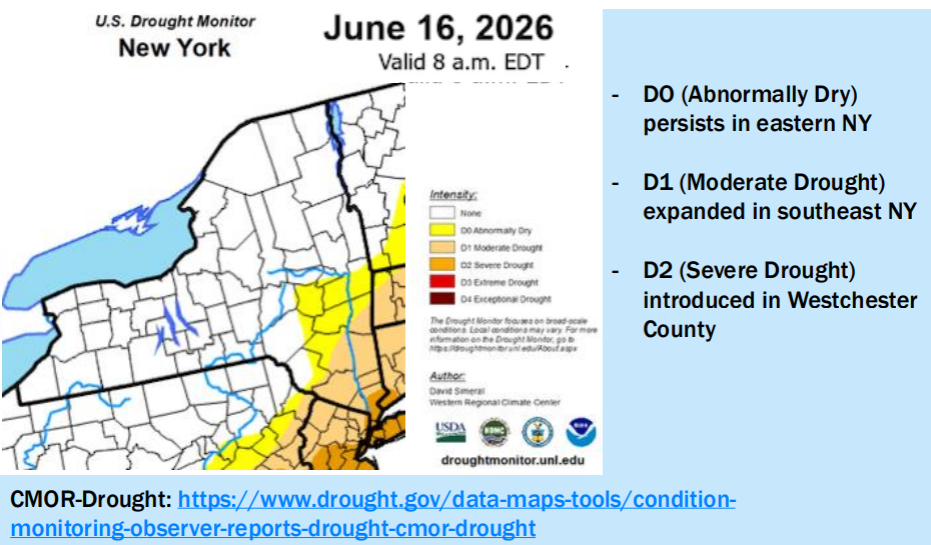
Lots of extreme, potentially dangerous weather today, so stay tuned to your local weather station through the rest of the day in case a severe weather watch or warning becomes active in your area. And if any of the storms has produced economic damage on your farm, please get in touch with our team's Farm Business Management Specialist, Raevyn Saunders (res422 [at] cornell.edu (res422[at]cornell[dot]edu)), so we can share those observations with the state.
3. Pest Monitoring
4. Growing Degree Days
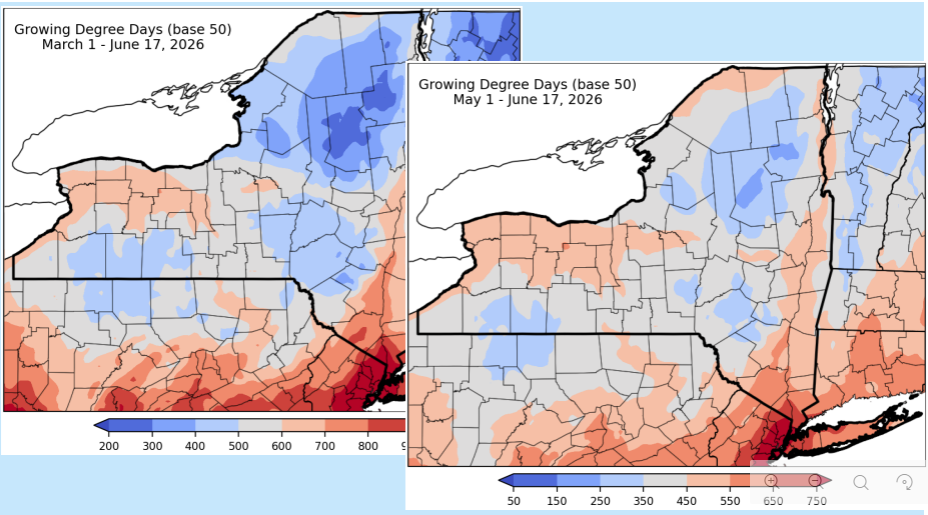
(See: Climate Smart Farming Growing Degree Day Calculator)
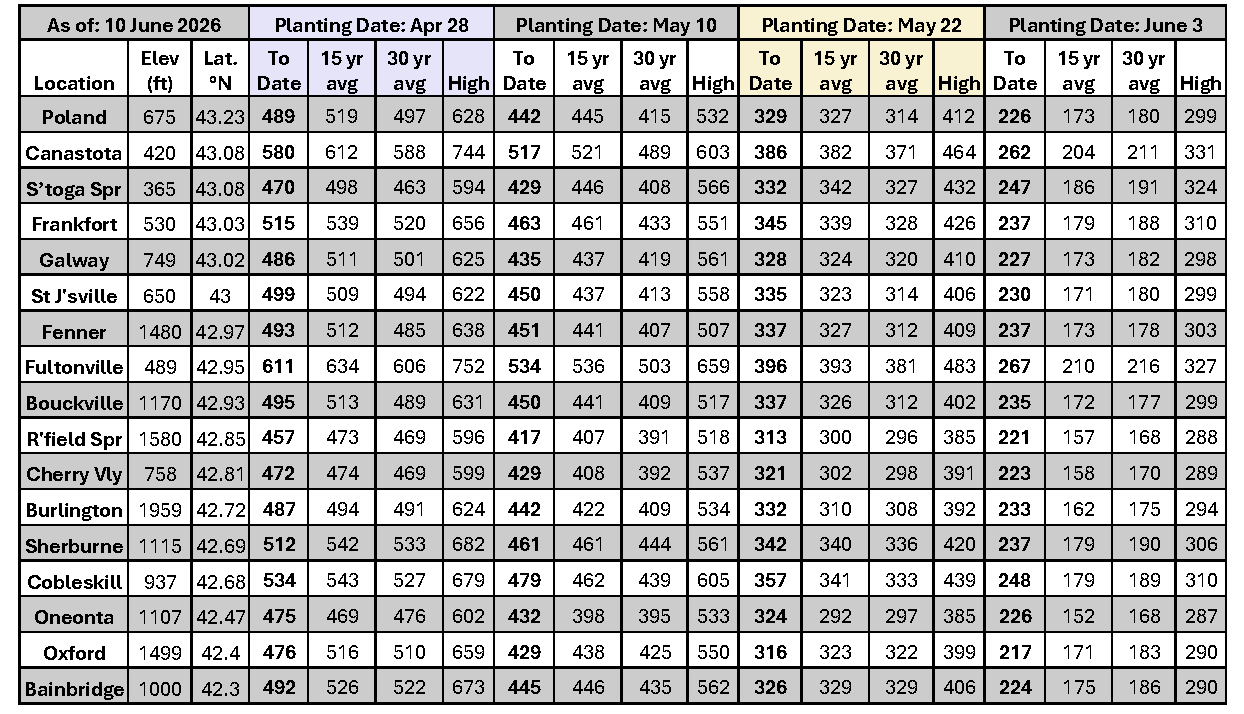
Growing degree days (GDD) are calculated by taking the average daily temperature and subtracting the base temperature for development of a given organism ((High + Low)/2 – base temp = GDD). For corn silage, we are using base 50/86, as corn development starts at 50 degrees F and ceases above 86. Check your location and planting date:
- 4-H Youth
Master Gardener Volunteer Column
We openly share valuable knowledge.
Sign up for more insights, discoveries and solutions.