Fact Sheet

    Flood Preparedness & Recovery

    Flooding is one of the most common and costly natural disasters in New York State. Whether caused by heavy rain, snowmelt, hurricanes, or infrastructure failures, floods can occur with little warning. 

    This fact sheet provides simple, evidence-based steps to help NY residents prepare for flooding, stay safe during an event, and begin recovery afterward.
    Steps

    Before a Flood

    • Know your flood risk using FEMA Flood Maps.
    • Protect important documents in waterproof containers.
      • Birth certificate(s)
      • Passport(s)
      • Social Security card(s) / number(s)
      • Driver’s license(s) or other photo ID
      • Insurance policies (homeowners, flood, auto, renters)
      • Property deed(s) or lease/rental agreement(s)
      • Mortgage or loan statements
      • Tax returns (last 1–3 years)
      • Banking/financial account records & credit-card statements
      • Utility account numbers and other household service records
      • Medical records, prescriptions, immunization records
      • Wills, powers of attorney, and advance-directive documents
      • Passwords & user-names for key accounts (stored securely)
      • Home inventory (photos/videos of your belongings)
    • Elevate electrical panels, appliances, and utilities whenever possible.
    • Prepare an emergency kit with food, water, medications, and flashlights.
    • Identify evacuation routes and establish a family communication plan.

    During a Flood

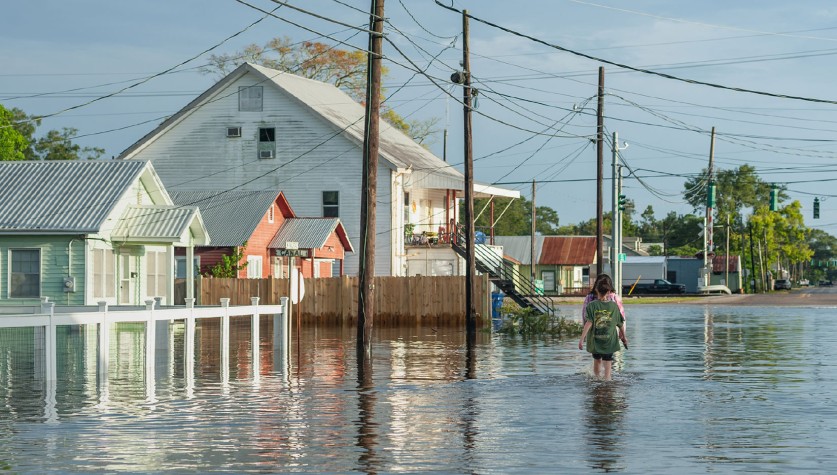
    • Never walk or drive through floodwater.
      • 6 inches can knock you down; 12 inches can sweep away a vehicle.
    • Stay away from basements and low-lying areas.
    • Move to higher ground and call 911 if trapped.

    After a Flood

    • Avoid floodwater due to contamination hazards.
    • Return home only when officials say it is safe.
    • Pump basements slowly—about 1 foot per day.
    • Photograph damage before cleanup for insurance.
    • Assume all flood-touched items are contaminated.

    Cleaning & Disinfecting

    • Wear gloves, boots, goggles, and an N95 mask.
    • Clean debris and mud before disinfecting.
    • Disinfect hard surfaces with 1 cup of bleach per 5 gallons of water.
    • Discard wet drywall, insulation, mattresses, and stuffed toys.

    Mold Prevention

    • Dry spaces within 24–48 hours.
    • Use fans, dehumidifiers, and open windows if humidity is low.
    • Remove porous materials that remain wet.