Planning, prepping, planting and harvesting your own vegetables throughout the gardening season
Plant Hardiness Zones
Widget - Half-Width Spotlight
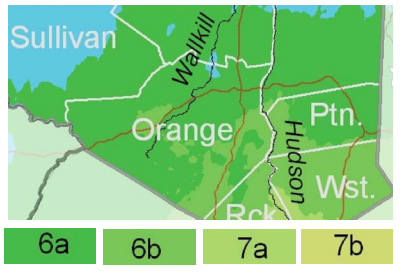
When deciding what kind of vegetables to plant in your garden, you need to make sure that the plants will be able to survive in the Zone you live in. Hardiness Zones show the lowest temperatures in a geographic location from the past 30 years. These maps can assist you when choosing vegetables to plant by showing you which plants can and cannot survive in the winter temperatures. Since New York is so large, it is important to research the Hardiness Zone for your specific location through the USDA. However, as a general guideline, the Zones in our area typically range from 5-6.
If the Hardiness Zone changes for your area, you do not automatically have to pull out something in your garden that is thriving. If the plant is thriving, it will most likely continue to thrive. The Plant Hardiness Zone is based on historical information and is only a guideline. There is no guarantee that a plant will survive or thrive based on this guideline.
These crops will tolerate being frosted and can be planted before last frost date. Some can tolerate a heavy frost*, while others can only tolerate a light frost. These will need to be covered.
Beets
Kohlrabi
Broccoli
Leek
Brussel Sprouts*
Parsnips
Cabbage
Parsley
Carrots
Potatoes
Cauliflower
Spinach
Celery
Radish
Chard
Rutabaga
Collards*
Turnip
Kale*
Warm Weather Crops
These crops will have to be planted when there is no longer a danger of frost. In New York, it is typically safe to plant warm weather crops in the third week of May.
Beans
Tender herbs (basil, dill, parsley)
Corn
Tomatoes
Cucumbers
Sweet potatoes
Eggplant
Summer squash
Melons
Winter squash
Peppers
Perennial Crops
These crops will winter over and produce year after year. Perennial crops need to be planted in an area where you will not have to move them, or dig/till around them.
Asparagus
Oregano
Chives
Rhubarb
Horseradish
Sage
Lavender
Tarragon
Marjoram
Thyme
Selecting Your Garden Location
Widget - Body Content
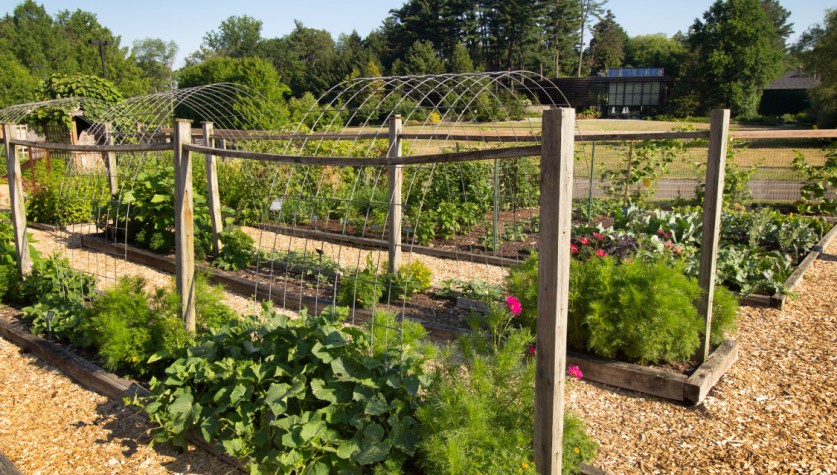
Vegetable gardens should be placed in a location that gets at least six hours of direct sunlight daily. The area should have easy drainage (there will be no standing water after a heavy rainfall). If this natural drainage isn’t possible, incorporating organic matter or creating raised beds will ensure proper drainage. The garden location should be level and easy to work in. Being able to bring tools, wheelbarrows, carts, and other materials easily into the garden is important to remember when picking a location. When picking a location, also make sure you have easy access to water.
Soil pH Testing
Healthy soil is key to having a successful vegetable garden. The pH of the soil determines if the plants will be able to absorb the nutrients found in the soil. The ideal pH level of soil used for vegetable gardening is between 6-7. Before planting, a soil sample should be taken and brought in to our office for testing. Complete information about testing procedures and amending your garden's soil is available in our Guide for Homeowner's Soil Testing, available online or at our office.
Direct Seed or Transplant?
Most crops may be direct seeded (seeds planted directly into the garden), but many crops perform better when grown from transplants (seeds started ahead in a container of soil). Some vegetables may be started either way. Transplants of popular vegetables may be purchased at a garden center, or grow indoors from seed. Make sure when looking for transplants, that you choose young, sturdy looking plants!
First Seeding and Transplanting Dates
Early Spring (about April 15) Widget - Three Column Callout
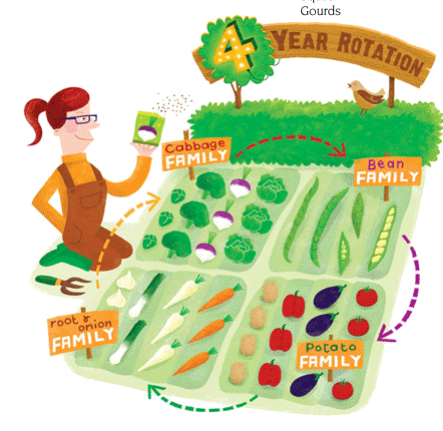
Crop rotation is the approach to deciding where to plant each crop in your vegetable garden from year to year. The goal of crop rotation is to help manage soil issues. Crop rotation helps avoid and/or reduce problems with soilborne diseases and some soil-dwelling insects. Listed below are some important tips on deciding your crop rotation.
Do not plant the same crop family in the same area too often.
Vary between deep-rooted crops and shallow-rooted crops.
Do not follow a root crop with another root crop.
Grow winter crops before late-season planted crops to accumulate organic matter and nitrogen.
This section uses the Widget - Pull Quote. These crops will have to be planted when there is no longer a danger of frost. In New York, it is typically safe to plant warm weather crops in the third week of May
CCE Communications
Cornell Cooperative Extension Master Gardener, Orange County, Middletown, NY

 This section uses the Widget - Pull Quote. These crops will have to be planted when there is no longer a danger of frost. In New York, it is typically safe to plant warm weather crops in the third week of May